How the Climb Works
The ascent, the crater, and the descent are three very different experiences on the same mountain. Here is what to expect at each stage.
The crater rim smells of sulphur. Looking down into the lava lake, you forget everything else.
The Ascent (Base to Crater)
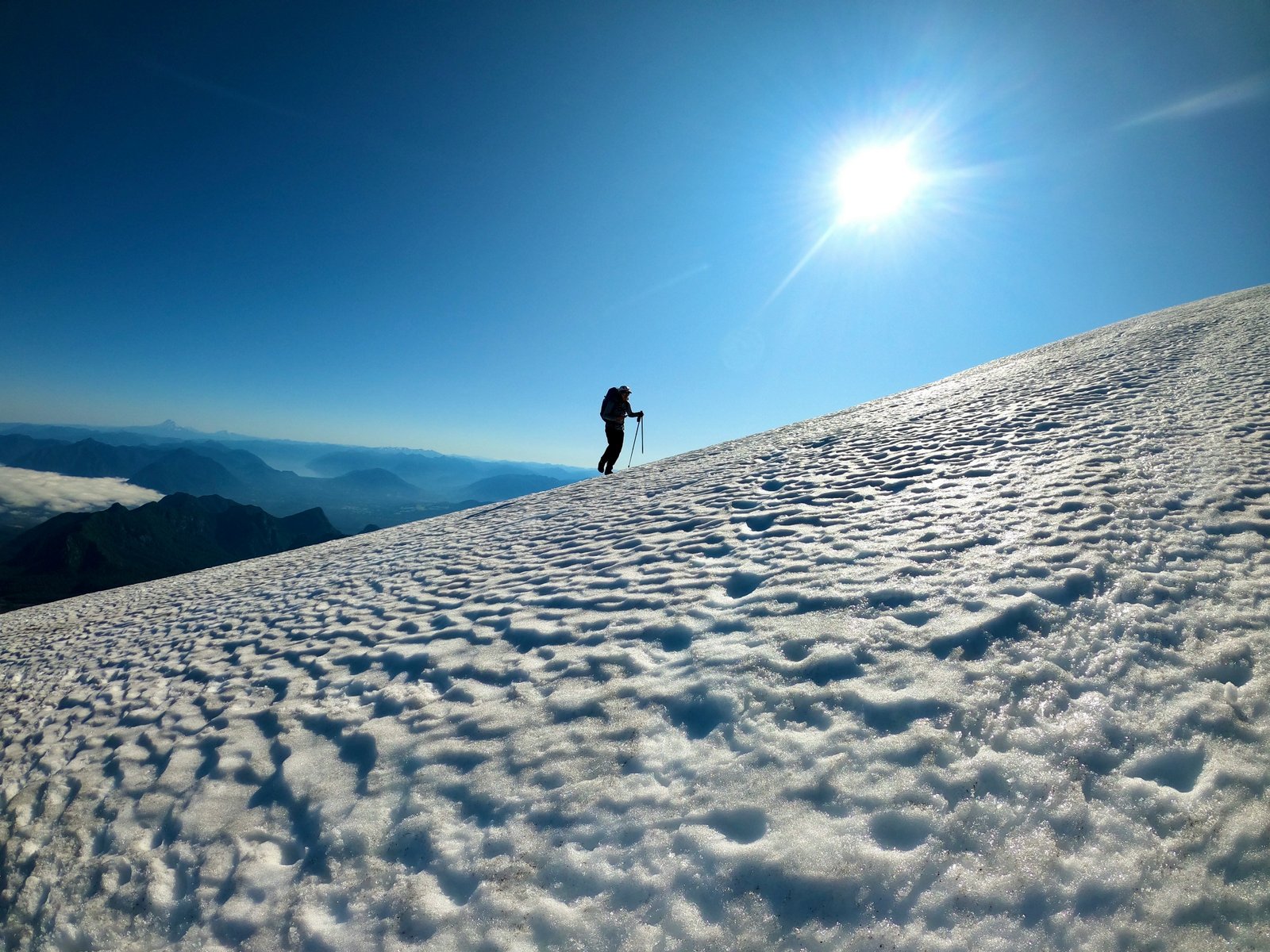
The climb begins at the ski centre base at around 1,400m. The first section follows a dirt trail through scrub and volcanic rock. At roughly 1,800m the permanent snowfield begins and crampons go on. From this point the mountain is a single sustained snowfield at a consistent 35 to 45 degree angle all the way to the crater rim.
There is no technical difficulty in the mountaineering sense but the angle is constant and the altitude is felt in the final hour. Groups stop approximately every 40 minutes for water and rest. The crater rim is reached at between 2,800 and 2,847m depending on the group route.
The Crater Rim
Time at the crater rim is determined by volcanic gas conditions: on calm days you can spend 30 to 40 minutes at the rim looking directly down into the active lava lake. The lava lake is 200 to 400 metres below the crater rim, continuously churning and emitting sulphurous gas.
On windy days the gas is pushed away from the rim and the view is clear; when wind drops or shifts, the gas is suffocating and groups move quickly. Your guide will position you upwind. The temperature at the rim is typically 0 to -15°C year-round even in summer. Ski goggles are essential: wind and sulphur gas in the eyes at the rim is extremely uncomfortable without protection.
The Snowfield Descent
Descent is via a plastic seat-slider provided by the guide company. The snowfield that takes 4 to 5 hours to climb is descended in 20 to 30 minutes seated on the plastic, using crampons and the ice axe as a brake. The descent is the highlight for most people: fast, physically straightforward, and genuinely exhilarating.
The guide demonstrates the braking technique before departure. Speed is controlled by digging the ice axe into the snow. At the bottom of the snowfield, crampons come off and the final section back to the base is on foot through volcanic rock and scrub. Total descent time from crater rim to base is around 45 minutes.
Villarrica in Photos
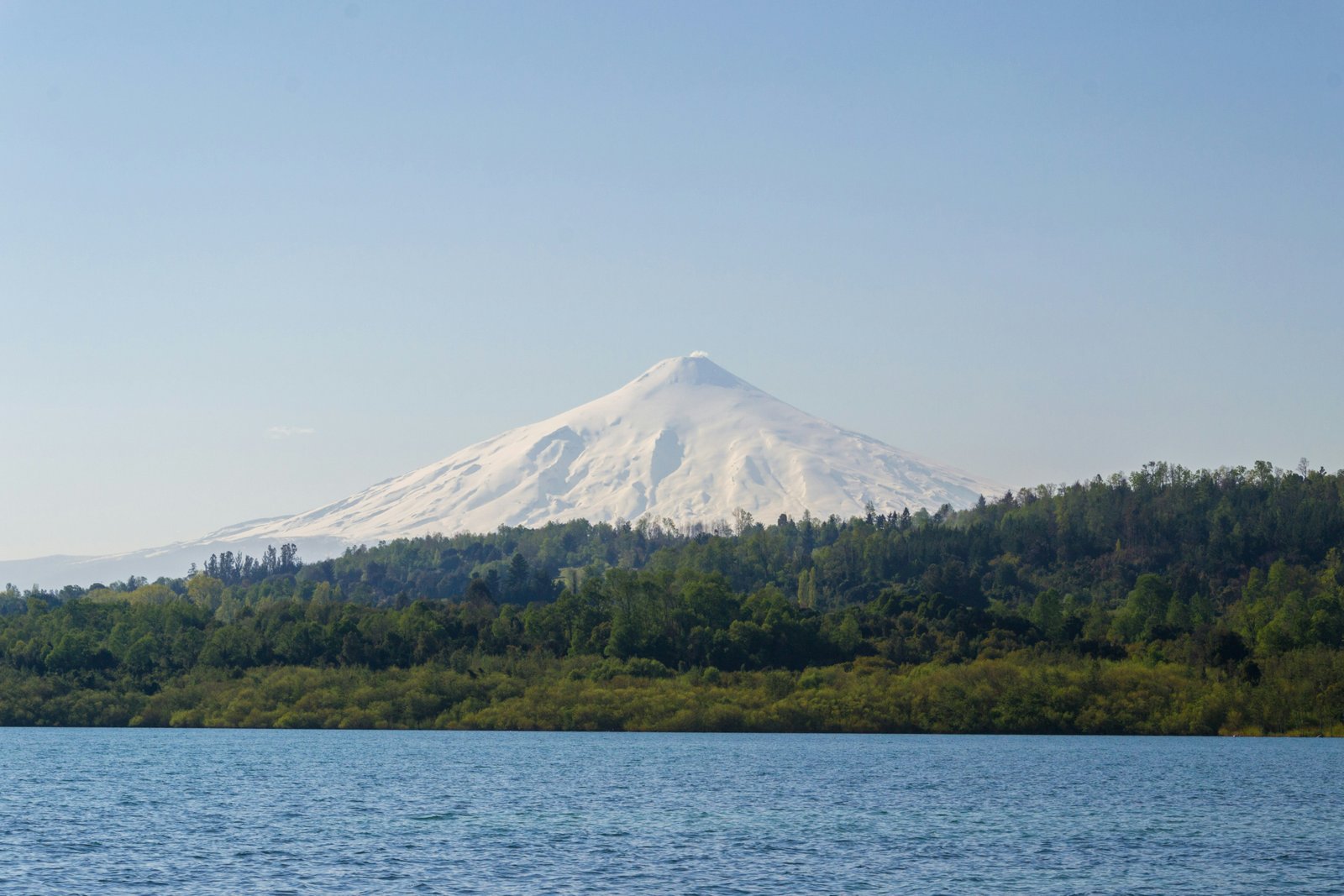
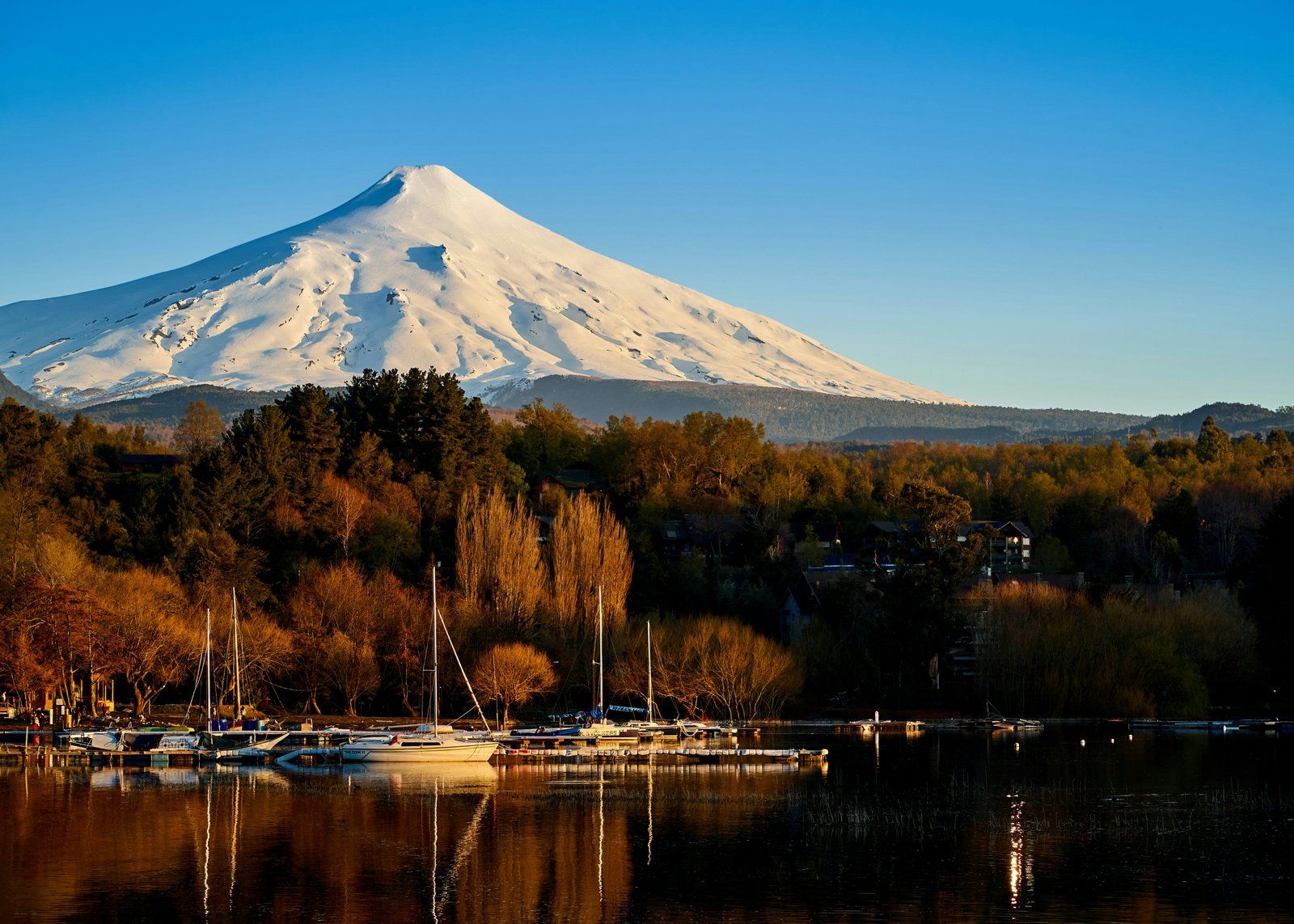
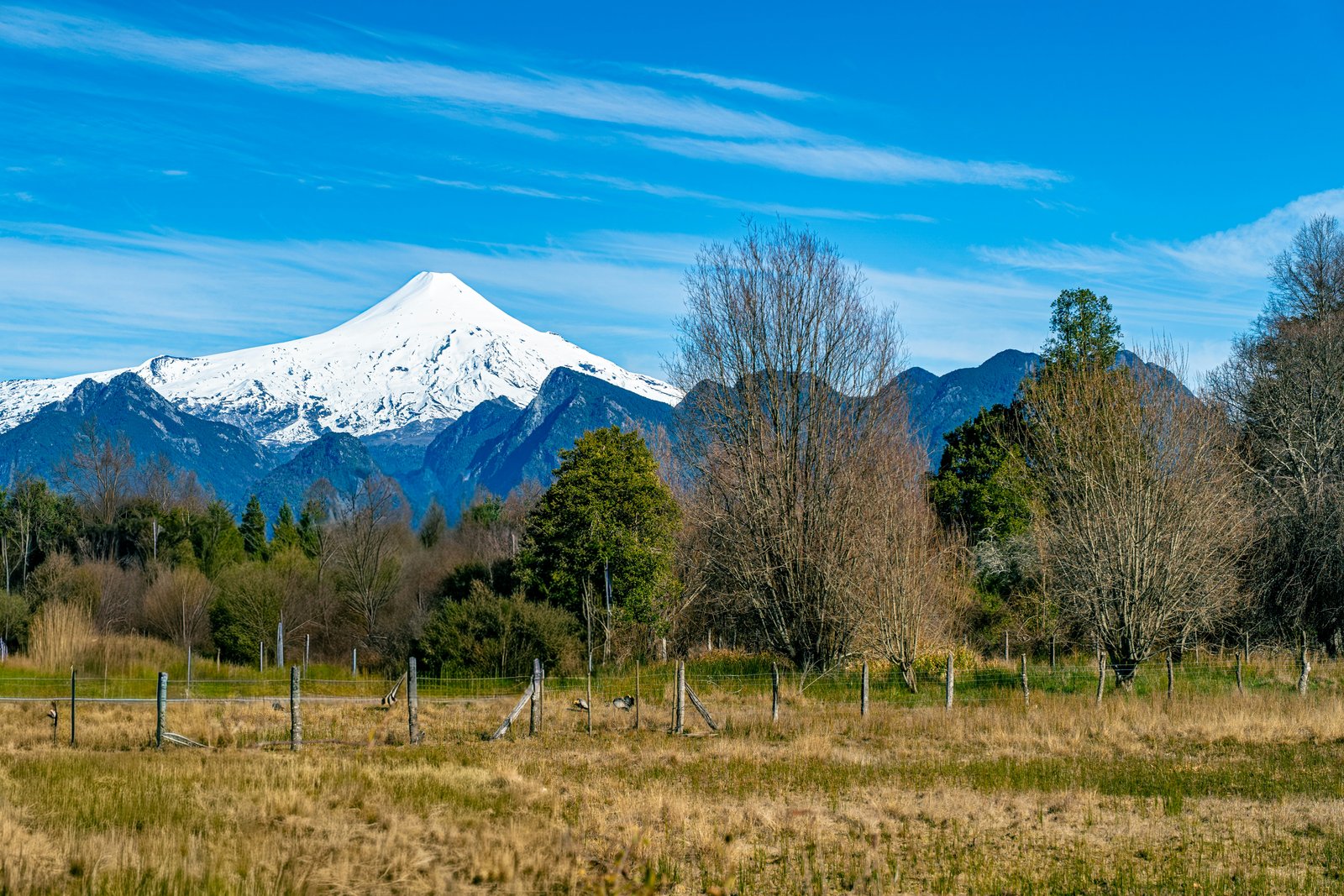
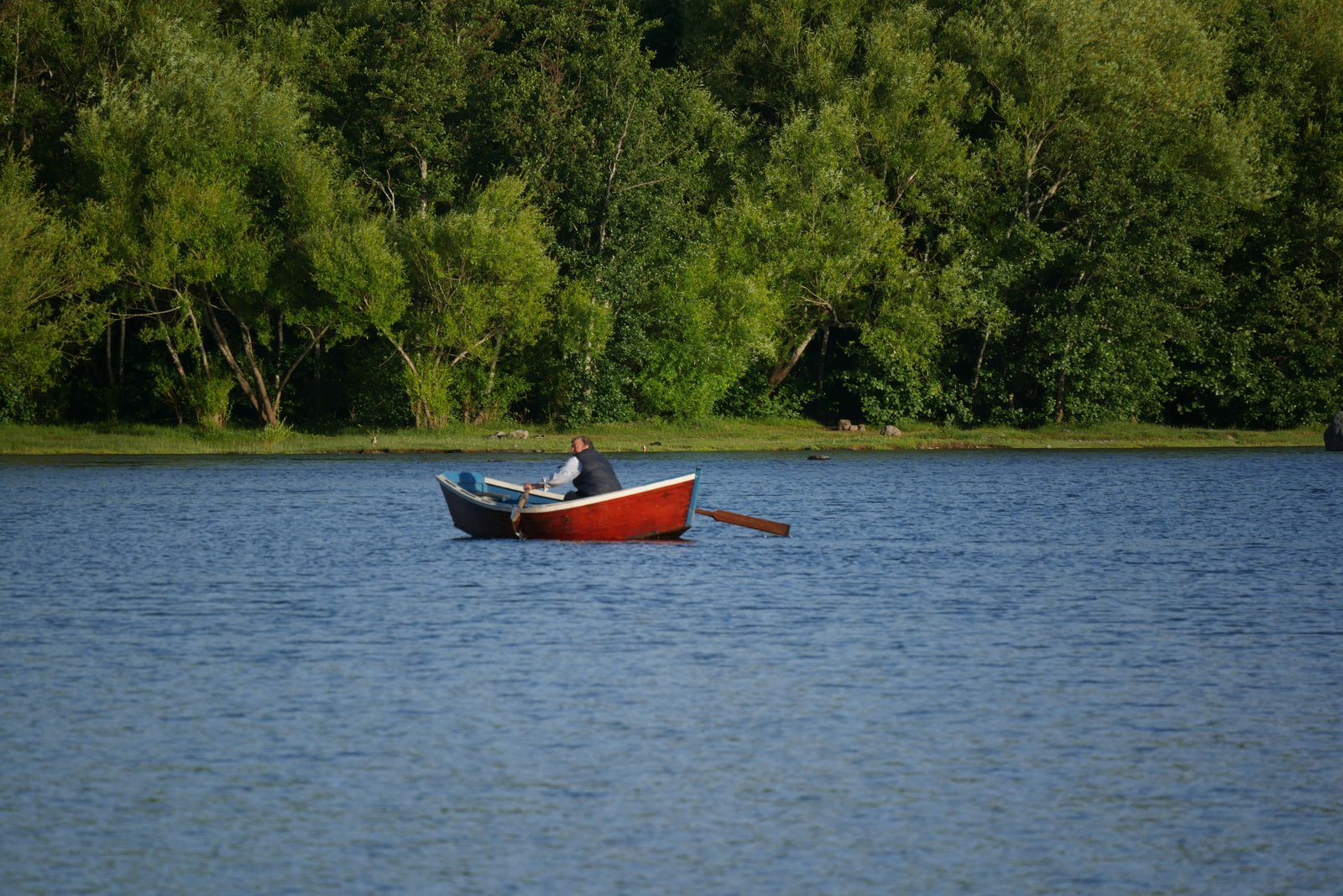
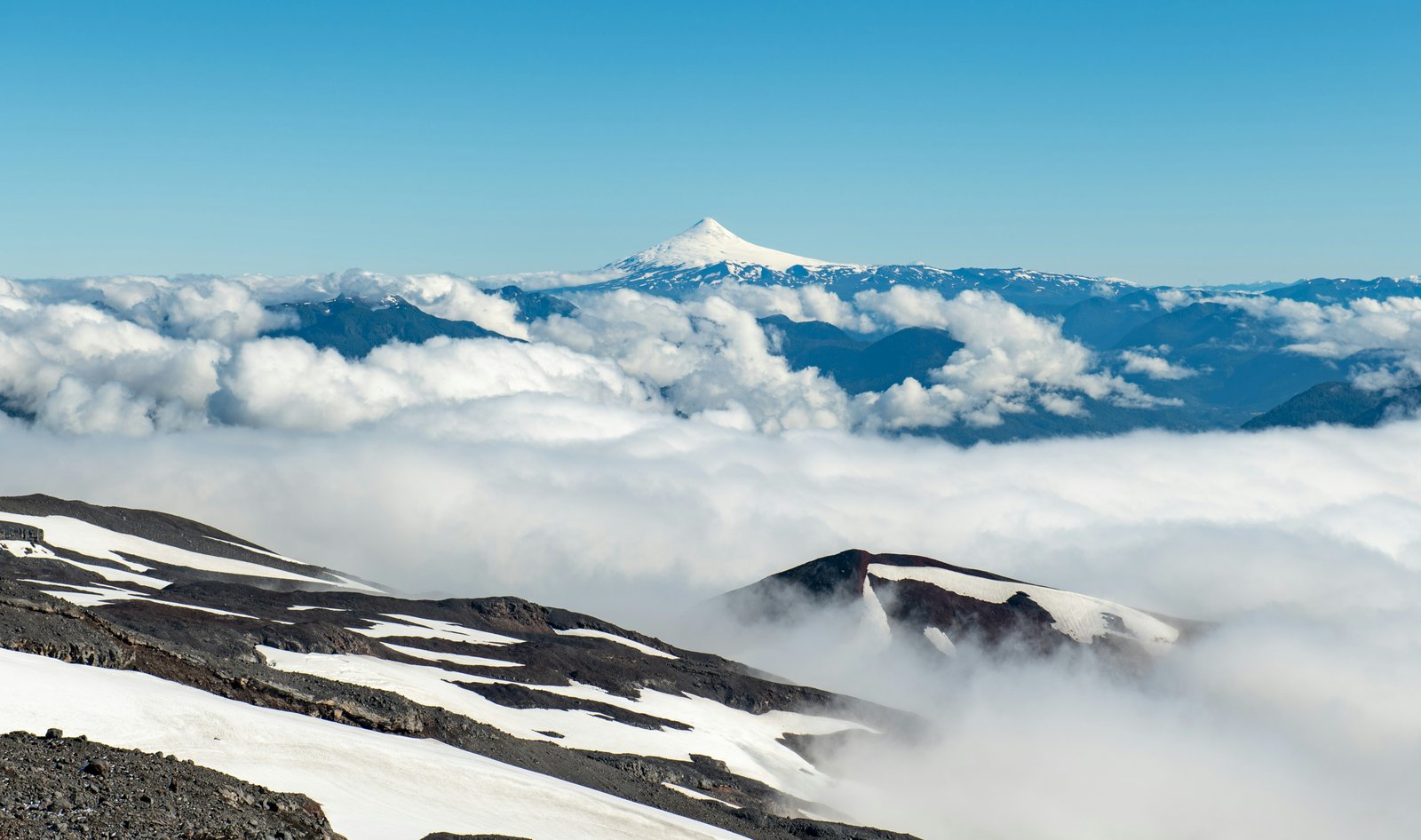
The volcano at golden hour from the lake, and then from inside the crater rim at 2,847 metres with the Andes on the horizon and a lava lake at the bottom.
Guided Experiences on Villarrica
The Villarrica summit requires crampons, ice axe, and a guide by regulation. Most ascents are done with certified local operators departing from Pucon early morning.
Guided summit ascent
Full guided summit with crampons, ice axe, and certified CONAF-approved guide. Departs Pucon at 7am, summit by early afternoon weather permitting. Equipment rental and transfer included.
Book summit →Ski or snowboard descent
In winter months, the volcano operates as a ski resort. Guided ski or snowboard descent from the rim during active season. Spectacular views of the crater steam on clear days.
Book ski descent →Kayak and volcano combo
Morning kayak on Lago Villarrica with the volcano backdrop, afternoon guided hike to the base of the lava fields. Perfect introduction to the area without the full summit commitment.
Book combo →Links go to GetYourGuide for real-time availability. Check dates and guide certifications before booking.
Villarrica is an active volcano that has erupted over 60 times since the 1500s, most recently in 2015, when lava fountains reached 1,500 metres above the crater. The guided climb to the summit is the most accessible volcano climb in South America: no technical mountaineering experience required, all equipment provided, and the lava lake at the top is one of the few places in the world where you can look directly into an active volcanic crater from the rim.
Choosing a guide company
A guided tour is legally required: CONAF does not permit solo ascents. There are around a dozen licensed operators in Pucón. The price difference between companies (typically $65 to $90 USD) reflects group size more than anything else.
Smaller groups (under 8 people) give more time at the crater and a more controlled pace. Ask specifically about maximum group size before booking. Recommended operators with consistent small-group experiences include Ko'em Expediciones, Polítur, and Trekking Chile. Avoid the cheapest options on the main strip, which tend to run groups of 15 to 20 people.
What if the climb is cancelled?
CONAF (the national park authority) can close the summit at any time due to volcanic activity, high wind, or visibility below their safety threshold. This happens on roughly 30 to 40% of days in peak season.
Reputable operators will offer a full refund or reschedule at no cost. If you have a fixed departure date from Pucón, build an extra day of buffer for a cancellation. The climb can also be cancelled the morning of departure if conditions change after you leave town: operators will call or message you by 5am on the day.
When to go
February and March are the most reliable months for clear summit conditions: drier weather, less cloud, and more stable volcanic activity readings. December and January are peak season with more people and higher cancellation rates due to summer storm activity. October and November are quieter and cheaper but summit cancellations are more common due to early-season snowstorms. The climb is closed from May to September.
How to get there
Fly Santiago (SCL) to Temuco (ZCO): 1.5 hours, daily flights via LATAM and Sky. Alternatively fly to Puerto Montt (PMC) to the south and transfer north. Temuco is the closest commercial airport to Pucón.
Buses run from Temuco bus terminal to Pucón several times daily: journey 1.5 hours, around $5 USD. Tur Bus and JAC are the main operators. The volcano is visible from the road for the final 30 minutes of the approach.
Solo ascents are not permitted by CONAF. Your guide company arranges transport from Pucón to the volcano base (~30 min). Tour cost of $65–90 USD includes all equipment, crampons, ice axe, helmet, and the CONAF mountain fee.
Where to sleep
Hostel · Pucón
Pucón has a solid backpacker scene centred on Avenida O'Higgins. Hostels within walking distance of the tour agencies. Dorms from $15, privates from $35.
Hotel · Lago Villarrica
Mid-range hotels in Pucón sit on the lake shore with direct views of the volcano. Hotel Araucarias and Malalhue are well-positioned and consistently good.
Boutique lodge · Pucón area
Vira Vira and Antumalal are the standout luxury lodges near Pucón, both with private lake or river settings and the volcano on the horizon.
Common Questions
No. The Villarrica climb is graded as a non-technical ascent. You need to be in reasonable physical condition: the 4 to 5 hour ascent at consistent altitude with a loaded pack is tiring: but no prior mountaineering, cramponing, or ice axe experience is required.
The guide demonstrates crampon fitting and ice axe use before departure. The main physical requirement is cardiovascular fitness for a sustained uphill push. People in their 60s and 70s regularly summit with a competent guide and small group.
Villarrica is one of the most active volcanoes in South America and erupts roughly once every 10 to 15 years. CONAF monitors volcanic activity continuously and closes the summit when alert levels rise. During a CONAF closure the mountain is not accessible for guided climbs.
In a normal operating season, the risk is primarily from volcanic gas at the crater rim (managed by positioning upwind) and from falls on the snowfield (managed by crampon technique and guide supervision). The 2015 eruption gave 45 minutes of warning before lava fountains appeared; the area around the summit was fully evacuated before the eruption began.
Comfortable with a day hike of 5 to 6 hours with 800 to 1,000m elevation gain. If you can do that without stopping frequently, you can summit Villarrica. The snowfield section from 1,800m to the crater rim is the hardest part: 45-degree slope at altitude, crampons on, ice axe in hand.
If you are unsure, spend a day hiking around the base of the volcano or at Huerquehue National Park before booking the climb to gauge your fitness level.
Reputable operators will call or message you by 5am on the day of the climb. Cancellations are issued for CONAF closures, high wind (above 60km/h at the summit), low visibility, and extreme cold. Most operators offer a full refund or a free reschedule to the next available date.
Build at least one buffer day into your Pucón itinerary. If you only have one day and it gets cancelled, Pucón has good alternatives: kayaking on Lago Villarrica, the Huerquehue hike (20km, beautiful lake plateau), or rafting on the Trancura River.
Yes. Pucón sits on Lago Villarrica, one of the most scenic lakes in Chile's Lake District. The town has good restaurants, hostels, and an outdoor sports scene built around the volcano, the lake, and the surrounding national parks.
Huerquehue National Park (35km from town) has a 20km trail to a series of crater lakes at 1,500m that is one of the better day hikes in the region. Pucón works well as a 3 to 4 day base for the Lake District, with the volcano on day 1 or 2 and Huerquehue or a river day on the others.