Ways to Experience the Mendoza Andes
Mendoza's Andes offer a spectrum from a gentle mountain drive to the Western Hemisphere's highest trekking objective, with wine country filling the valleys below.
Aconcagua Base Camp Trek (Plaza de Mulas)
You do not need a summit permit to trek to Aconcagua's base camp at Plaza de Mulas (4,300m). The trek-only permit costs around $200 USD and is valid for one week. The approach from Horcones follows the Horcones valley, passes Confluencia camp at 3380m, and reaches the vast Plaza de Mulas glacier camp where full summit expeditions are staged. The landscape is extraordinary: dry desert peaks above 5000m with permanent glaciers visible from 4000m.
Alta Montana: Cristo Redentor Road
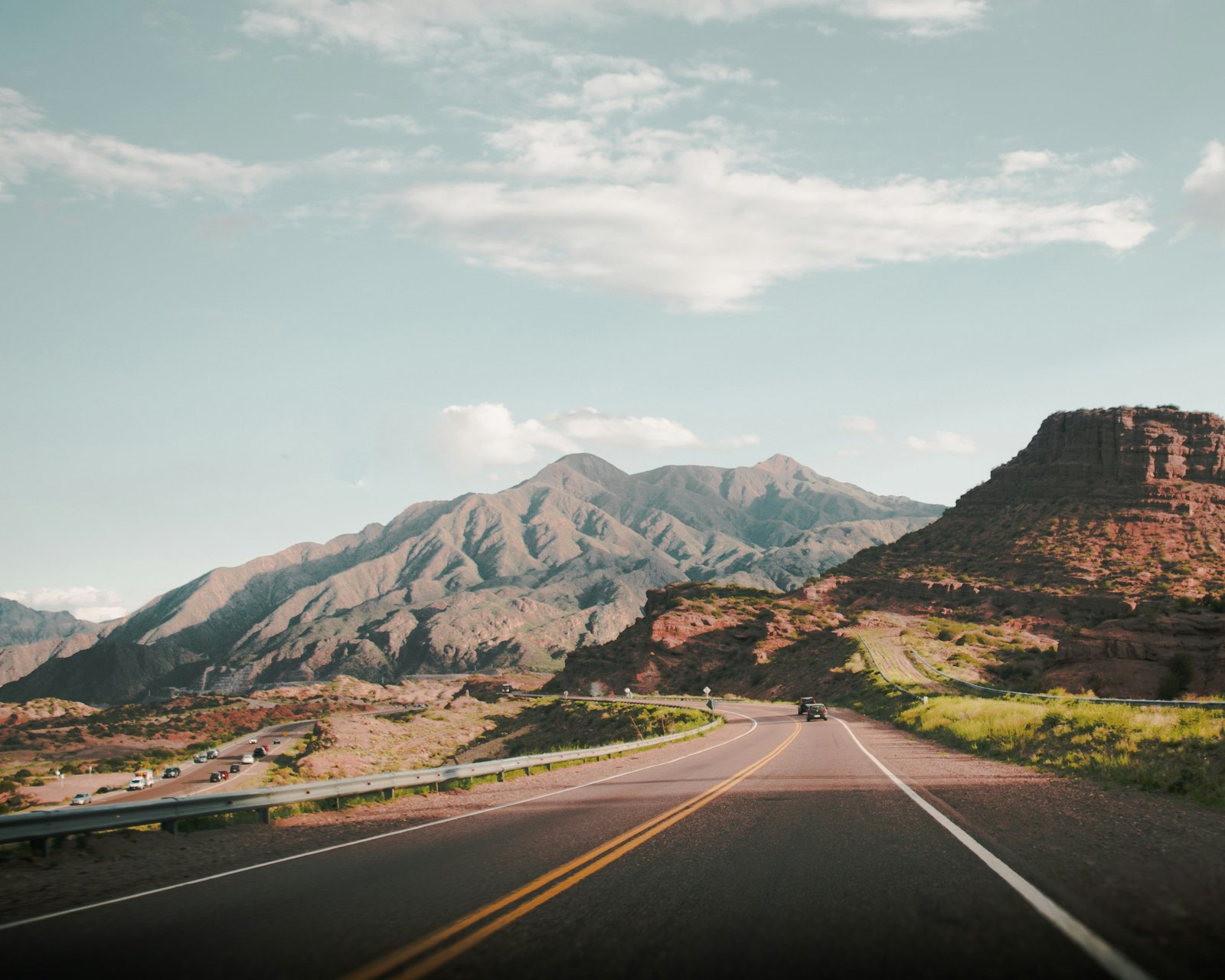
Ruta 7, the road to the Chilean border via Uspallata and Puente del Inca, passes through the full altitudinal range of the high Andes in 200 kilometres. Stops include the natural rock arch at Puente del Inca (2720m), the Aconcagua Provincial Park entrance at Horcones, and the Christ the Redeemer statue at the Paso Los Libertadores border crossing (3832m). This is the best single-day introduction to the Andean high landscape without hiking gear.
Laguna Los Horcones Walk
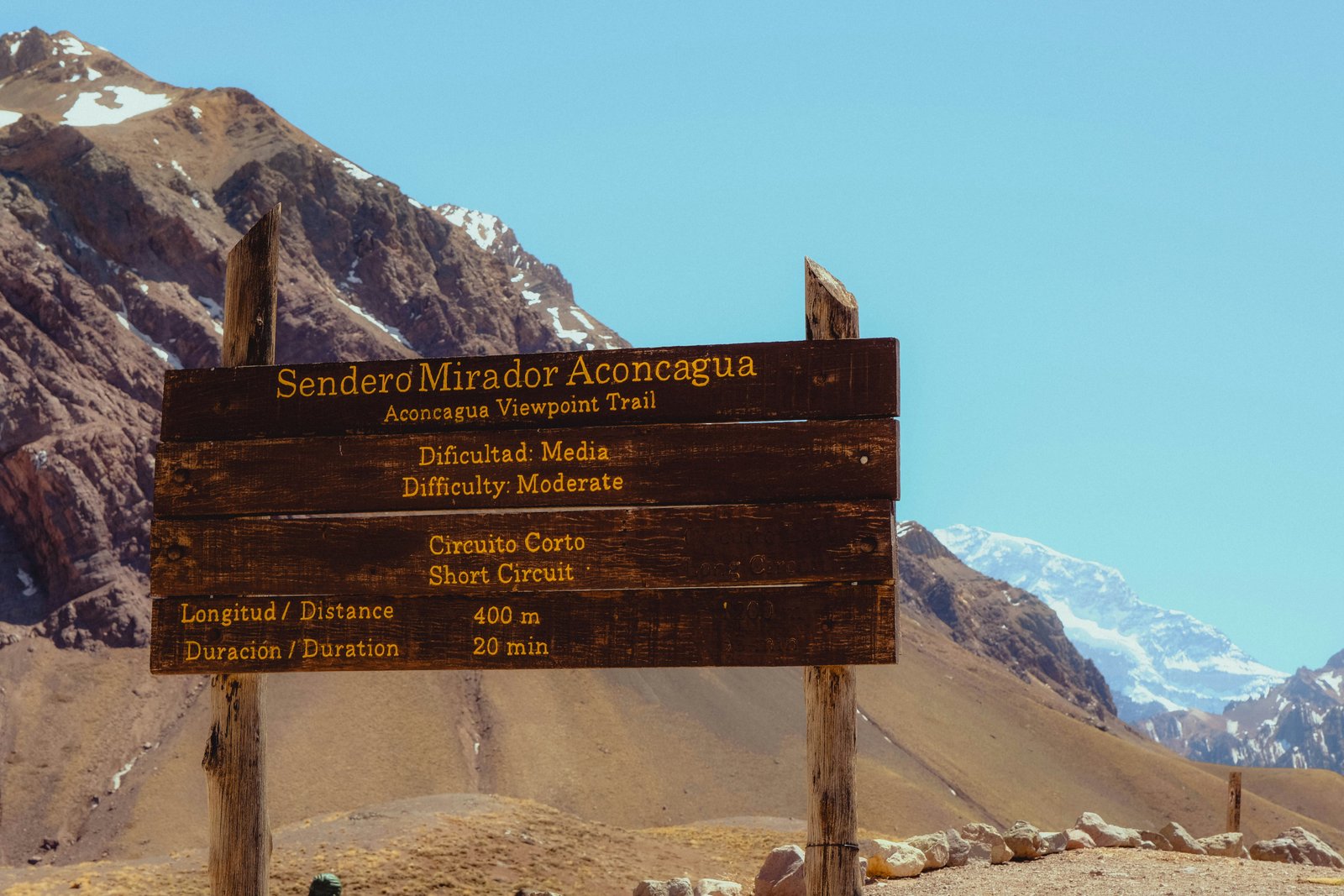
A short, flat walk from the Aconcagua Provincial Park visitor centre leads to Laguna Los Horcones, a shallow mineral lake at 2950m with a direct view of Aconcagua's south face. This is the best accessible view of the mountain for visitors without trekking experience. The walk is entirely on a flat, well-maintained path. On clear mornings the 6961m summit is visible without any obstruction above the lagoon.
Mendoza Wine and Andes Day
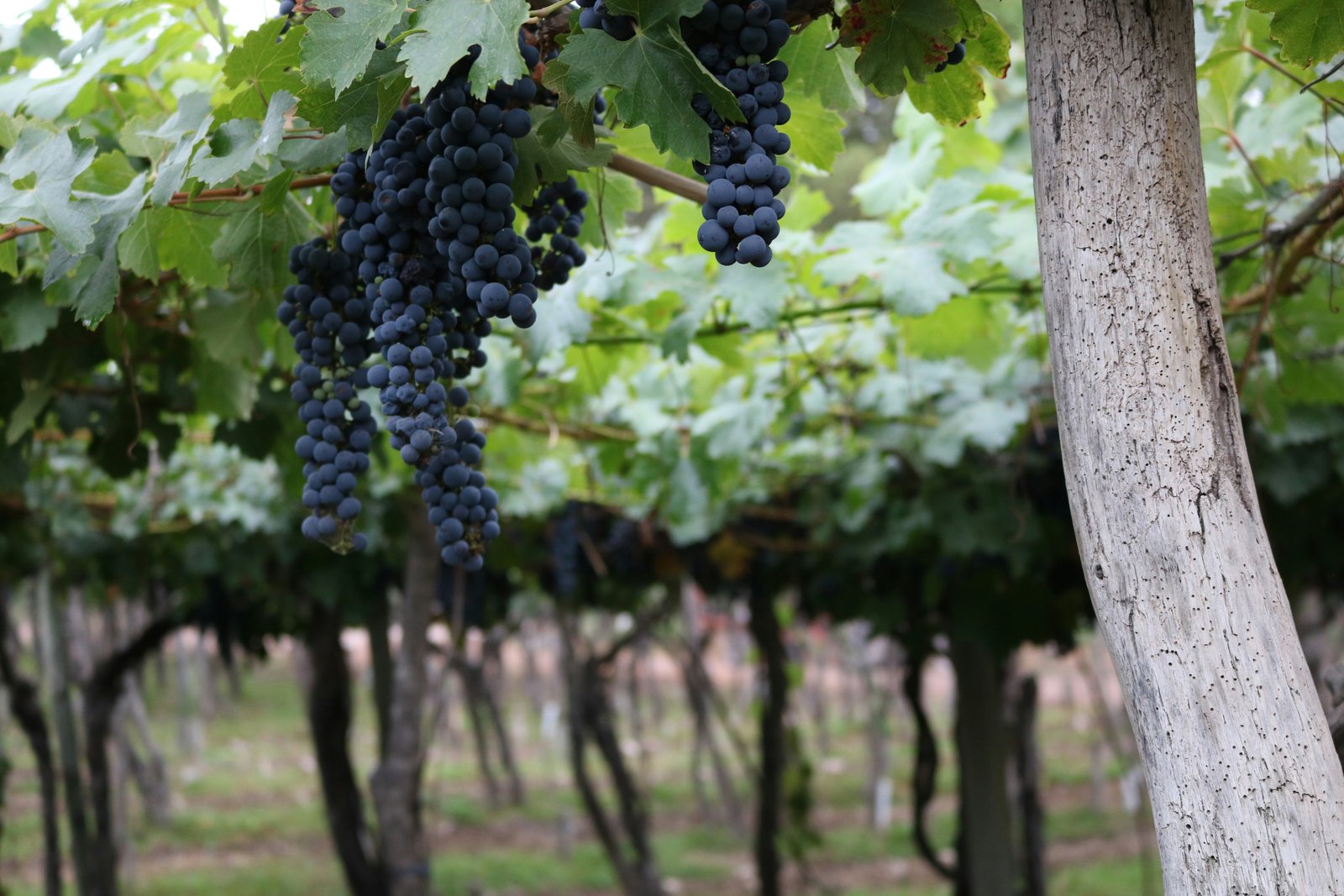
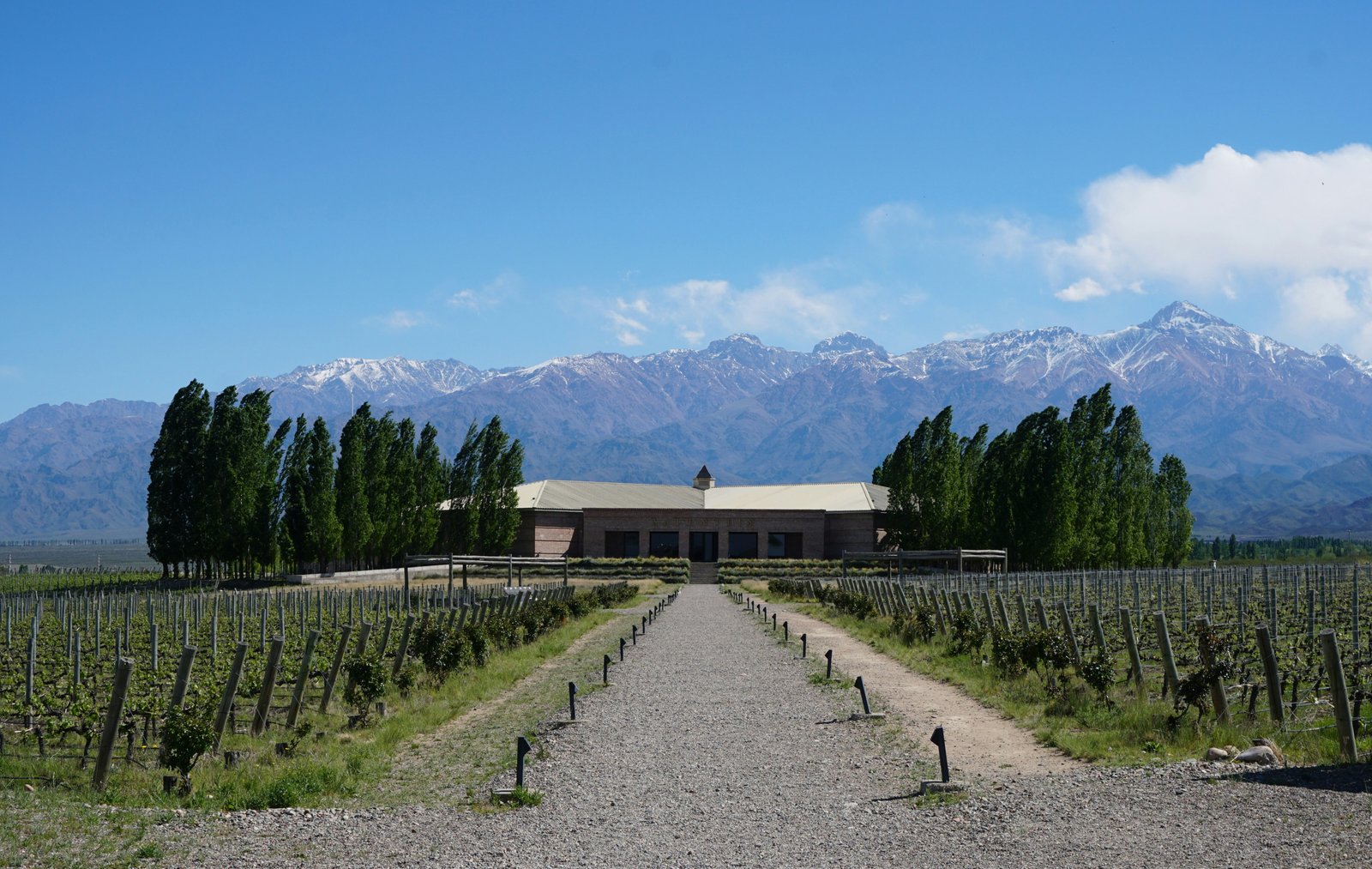
The Lujan de Cuyo and Maipu valleys south of Mendoza city hold Argentina's finest Malbec vineyards, with the Andes as a constant backdrop. Bicycle wine tours leave from Maipu every morning, visiting 3 to 4 wineries over 5 to 6 hours on flat, shaded roads with the snowcapped cordillera visible above the vineyard rows. For a more active version, combine a morning ride in the wine valleys with the afternoon Alta Montana drive.
Guided Experiences near Mendoza
Mendoza is the gateway to Aconcagua, the highest peak outside Asia. Full summit expeditions take 18–22 days, but the base camp approach and Andean day tours are accessible to non-climbers.
Guided Aconcagua base camp
Guided 2-day trek from Horcones to Plaza de Mulas base camp (4,370m) and return. No technical climbing gear required. A high-altitude trekking experience in the shadow of the Western Hemisphere's tallest peak.
Book BC trek →Alta Montaña day tour
Full-day guided drive and hike through the Uspallata Valley to Puente del Inca (2,720m), the frontier with Chile, and the Aconcagua viewpoint at Horcones. Highest public road in Argentina.
Book Alta Montaña →Wine + Andes half day
Morning among the high-altitude Lujan de Cuyo wineries followed by an afternoon drive into the Andean foothills above Mendoza. Combine classic Malbec tastings with the mountain backdrop.
Book wine + Andes →Links go to GetYourGuide for real-time availability. Check dates and guide certifications before booking.
Mendoza is the kind of city that would be remarkable for its wine alone, except that the Andes rise directly behind it and the world's highest peak outside the Himalayas is visible from the city centre on clear winter days. The combination of vineyard valleys and extreme altitude trekking in the same latitude is found almost nowhere else.
Aconcagua: The Mountain
At 6,961m, Aconcagua is the highest peak in the Americas, the highest in the Southern Hemisphere, and the highest outside Asia. It is technically non-technical by the Normal Route from the north, meaning no glacier travel or technical climbing equipment is required for the summit. But the extreme altitude, the Viento Blanco (white wind that can exceed 150 km/h on the upper mountain), and the acclimatization demands make it a serious objective that claims multiple lives each season.
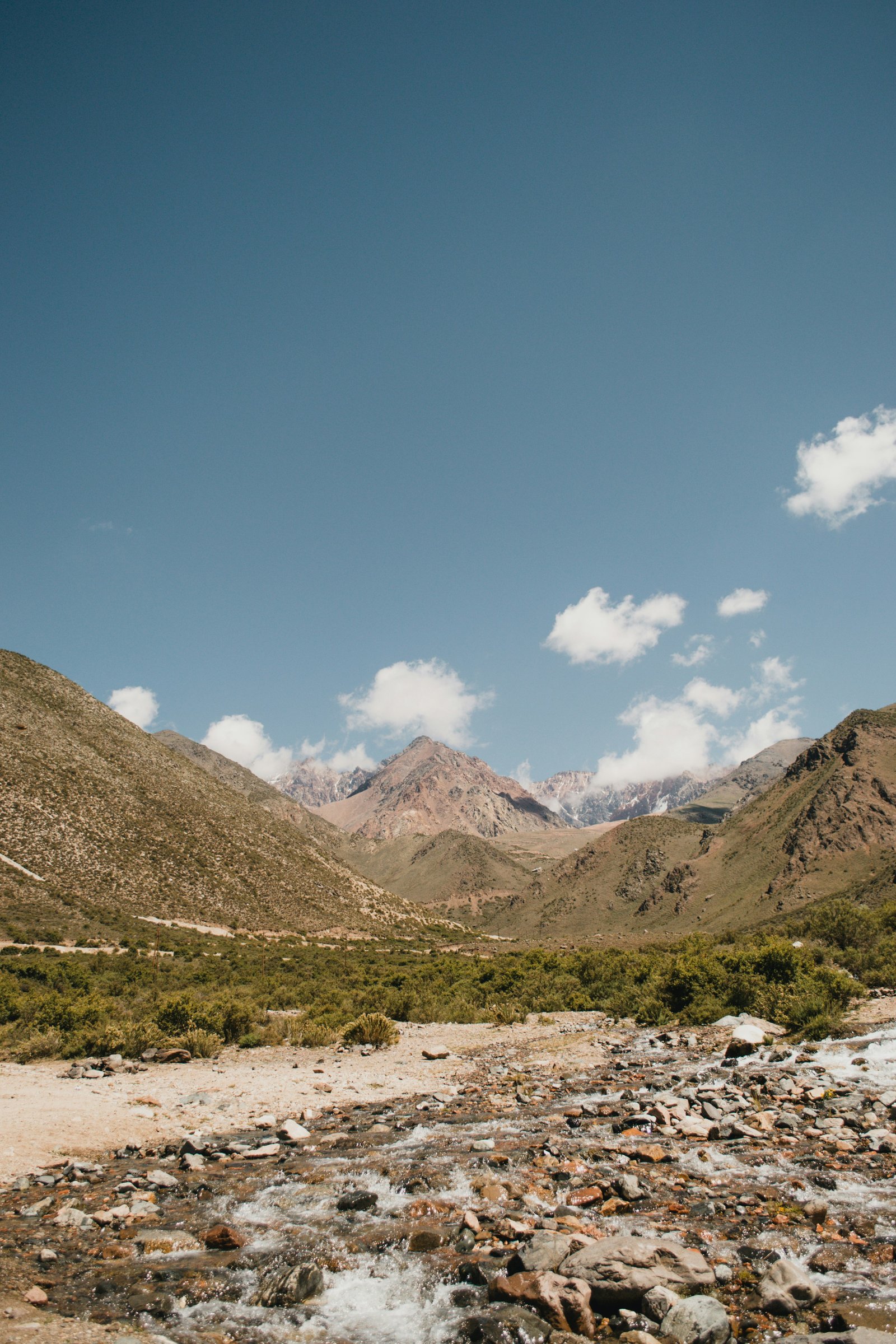
The Horcones Valley opens toward Aconcagua. The highest peak outside Asia, right there in front of you.
Summit permits cost $800 to $1500 USD depending on the season (peak season January is most expensive) and are purchased at the Mendoza park authority office. Full expedition logistics including guides, porters, and camp equipment add considerably to the total cost. The Base Camp trek (to Plaza de Mulas at 4300m) does not require a summit permit, only a trekking permit costing around $200 USD.
Aconcagua Provincial Park
The park covers 71,000 hectares and is accessed via the Horcones entrance 170km west of Mendoza on Ruta 7. The main trailhead at 2900m leads to Confluencia camp (3380m, day 1 on the BC trek), then continues to Plaza de Mulas (4300m, the main base camp). A southern approach via the Valle de los Horcones Inferior leads to Plaza Francia (4200m), where the dramatic south face of the mountain is visible. This southern variant requires a longer trekking permit but offers the most dramatic views.
Mendoza City as a Base
Mendoza city (760m elevation) is a relaxed, tree-lined provincial capital with excellent food and wine infrastructure. The Maipú and Luján de Cuyo wine regions are directly accessible by local bus or taxi. Winery regions such as Valle de Uco, 90km south, produce Mendoza's most complex high-altitude wines (up to 1450m). The city has good gear shops on Avenida Las Heras for last-minute Andes equipment.
When to go
The Andean high season runs November through March. January and February are the most stable months for weather at altitude, and the official summit permit season runs from November 15 through March 31. The road to Cristo Redentor and the high Andes is open reliably from November through April. Wine harvest in Mendoza runs February through April, adding a secondary reason to visit in late summer. Winter closes the high mountain access entirely.
How to get there
Fly direct Buenos Aires (AEP/EZE) to Mendoza (MDZ) — 2 hours, frequent daily departures via Aerolíneas Argentinas and LATAM. Also connections from Santiago, Chile (1 hour). The airport is 8km from the city centre.
The Horcones park entrance is 170km west of Mendoza on Ruta 7. Take a remís (taxi) or organized transfer from Mendoza city (~2.5 to 3 hours, $80–120 USD). Rental cars are a good option for independent travellers.
Trekking permit to Base Camp (Plaza de Mulas, 4,300m): ~$200 USD, available Nov–Mar. Summit permit: $800–1,500 USD depending on season. Both purchased at the Mendoza park authority office (Secretaría de Turismo, España 1075).
Where to sleep
Hostel · Mendoza city
Hostel Lao and Punto Urbano are the backpacker staples in Mendoza's walkable city centre. Good base for gear shopping and permit logistics before heading to the mountain.
Hotel · wine country
Chacra de Cruz and similar wine-country hotels in Luján de Cuyo sit among the vineyards with Andes views. Comfortable base for the first nights before heading to altitude.
Cavas Wine Lodge · Luján de Cuyo
Private casitas set in the vineyard with the Andes as a backdrop, infinity pool, and a wine cellar open to guests. One of the finest stays in Argentina.
Common Questions
Yes. The BC trek to Plaza de Mulas requires only a trekking permit (not a guide), is on a clear main trail, and has ranger stations at Confluencia (day 1 camp) and at the base camp itself. However, altitude sickness above 3500m is a genuine risk. Know the symptoms (headache, nausea, loss of appetite, disorientation) and commit to descending if they appear. A guide provides safety backup but is not mandatory for the BC route.
Aconcagua Provincial Park permits are purchased at the park authority office in Mendoza city (Avenida San Martin 1143). You must do this before driving to the mountain. Online pre-registration is available on the official Aconcagua park website. Bring your passport and cash (USD or Argentine pesos). Permits cannot be purchased at the trailhead.
Easily. The Maipu bicycle winery circuit visits 3 to 4 wineries with tastings, includes an olive oil producer and a craft chocolate shop, and takes 5 to 6 hours at a leisurely pace. The ride is flat on quiet roads through vineyards with Andes views. Valle de Uco, an hour south by car, is worth a half-day for the high-altitude vineyards and dramatically better food and wine at estates like Zuccardi and Achaval Ferrer.
For the summit attempt, book 6 to 12 months in advance. Peak season (January) permits sell out, and reputable guide companies fill their groups for the following season by April. For the BC trek only, permits are less constrained but January and February are the busiest months and advance booking is advisable. Last-minute permits sometimes appear if cancellations occur but cannot be relied on.
On very clear winter days (June to August), Aconcagua's snow-covered summit is visible from the city and from the wine valleys to the south. Summer haze from heat and agricultural dust makes it harder to see from sea level. The best city views are from the Cerro de la Gloria viewpoint in the General San Martin Park, looking west on a clear morning.
Mendoza in Photos
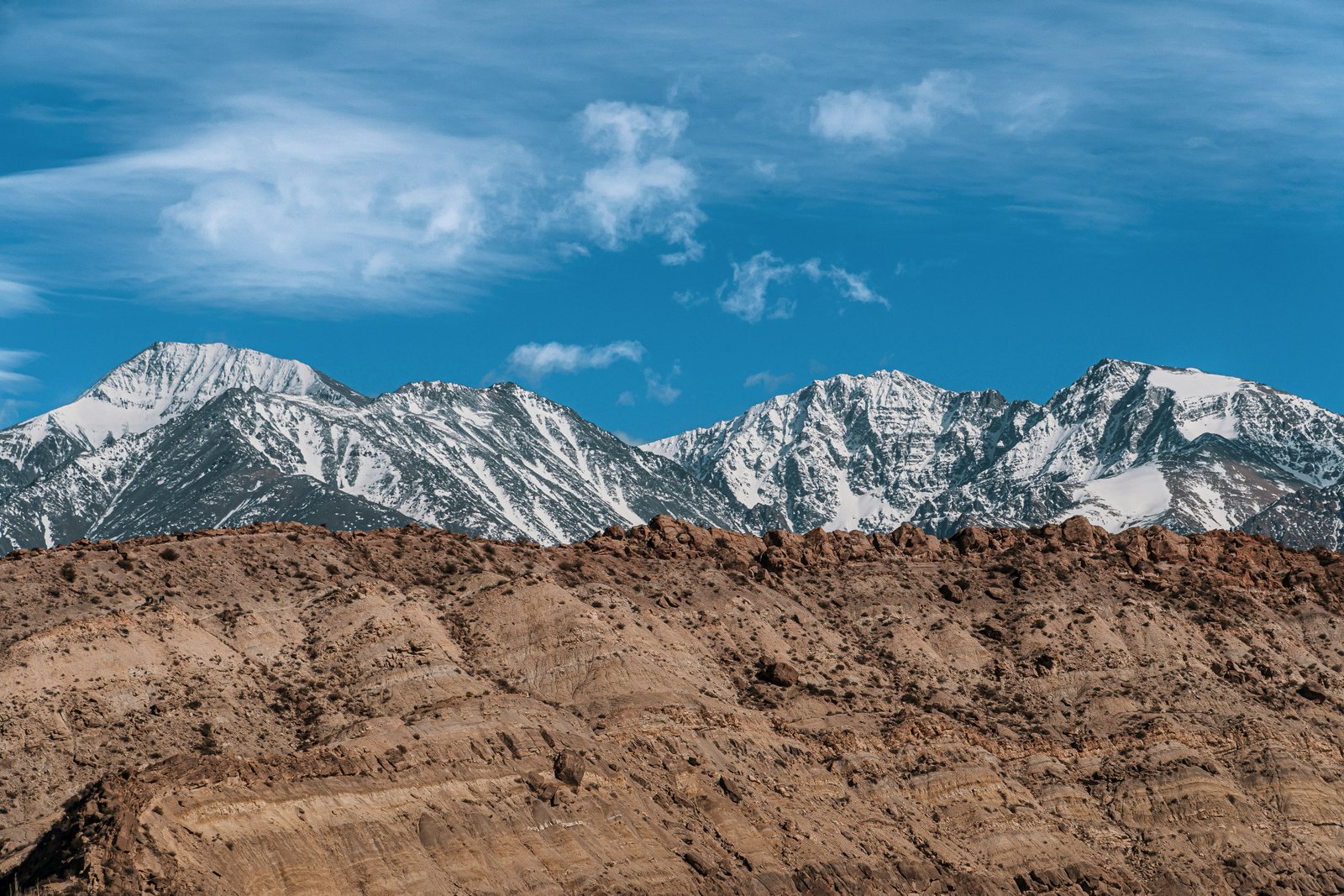
The road west from Mendoza climbs from wine country into the highest mountains in the Americas. Aconcagua from Laguna Horcones, Puente del Inca on Ruta 7, and the Malbec vines with the Andes still behind everything.