Ways to Experience Bariloche
From the cable car to the high granite basins, Bariloche's trail network covers every ambition within a short drive of town.
Cerro Lopez and Refugio Lopez
The classic Bariloche summit hike climbs steeply through coihue forest to Refugio Lopez at 1650m, then continues up exposed rocky terrain to the Cerro Lopez summit at 2,076m. The panorama from the top spans Nahuel Huapi lake in its entirety, the Tronador massif to the west, and on clear days the distant peak of Lanin volcano to the north. Refugio Lopez serves food and has bunks for overnight stays.
Refugio Frey via Cancha de Futbol
The Frey trek is arguably Bariloche's most rewarding day hike: a long approach through forest and open plateau culminating in a dramatic granite cirque at 1700m where Laguna Toncek sits beneath a wall of rock towers. The refugio serves as a base for rock climbers and is staffed in summer. Scrambling to higher viewpoints on the cirque rim adds another hour each way.
Laguna Negra via Cerro Otto
The trail to Laguna Negra passes over the shoulder of Cerro Otto (1405m) via the gondola station and descends into a quiet valley holding a dark, still lake ringed by old-growth coihue forest. The contrast between Cerro Otto's rotating restaurant and the untouched lake basin below is jarring in the best way. Few day-trippers make it past the gondola viewpoint, so the lake is often empty.
Circuito Chico and Llao Llao Loop
The Llao Llao Peninsula, 25km west of Bariloche, contains a short hiking loop through native forest with views over Lago Moreno and Lago Nahuel Huapi from several small rocky summits. This is the best introduction to the landscape for visitors arriving without hiking boots: the trails are gentle, mostly dry, and the scenery is excellent without demanding real elevation gain. The iconic Llao Llao hotel is the starting point.
Bariloche in Photos
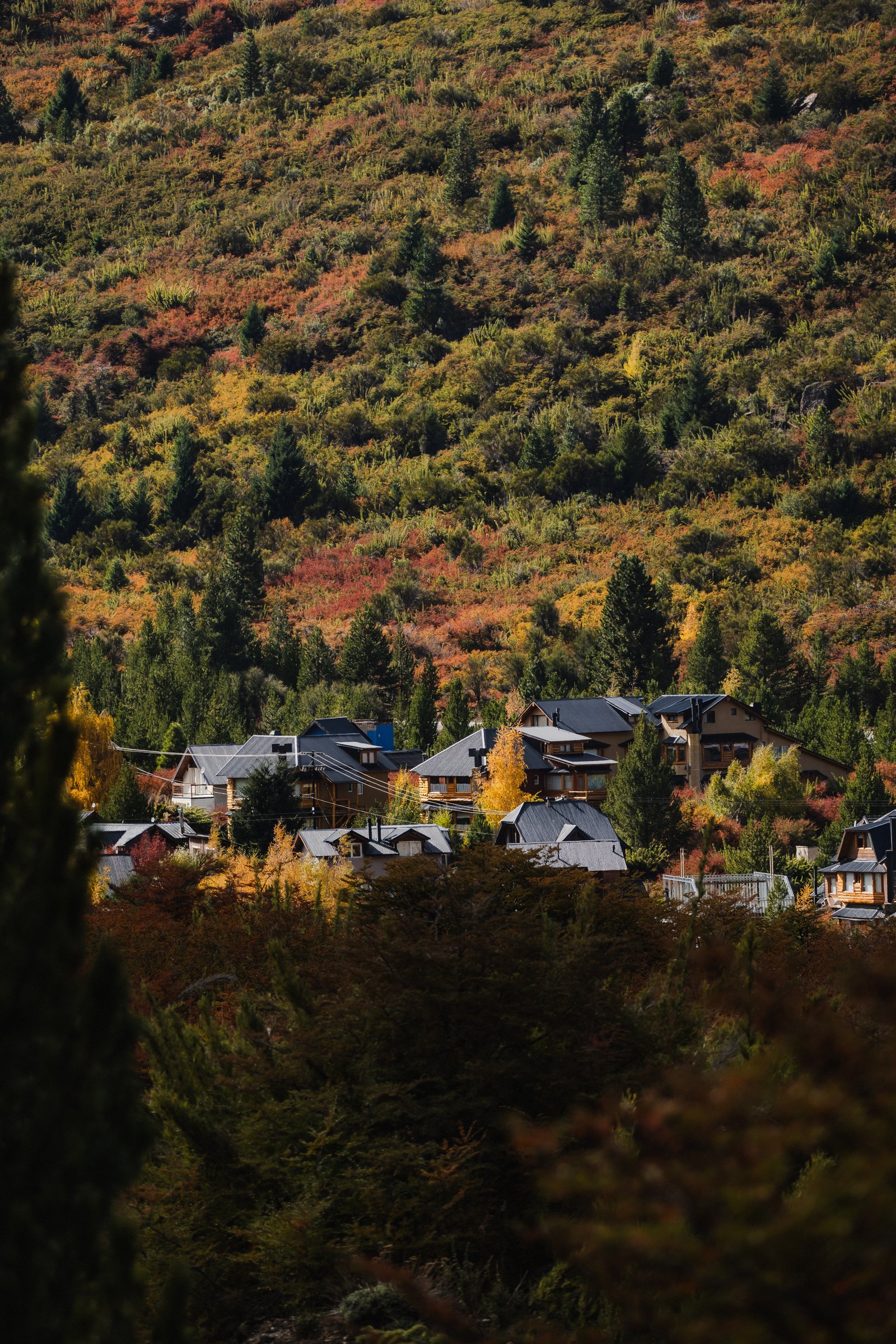
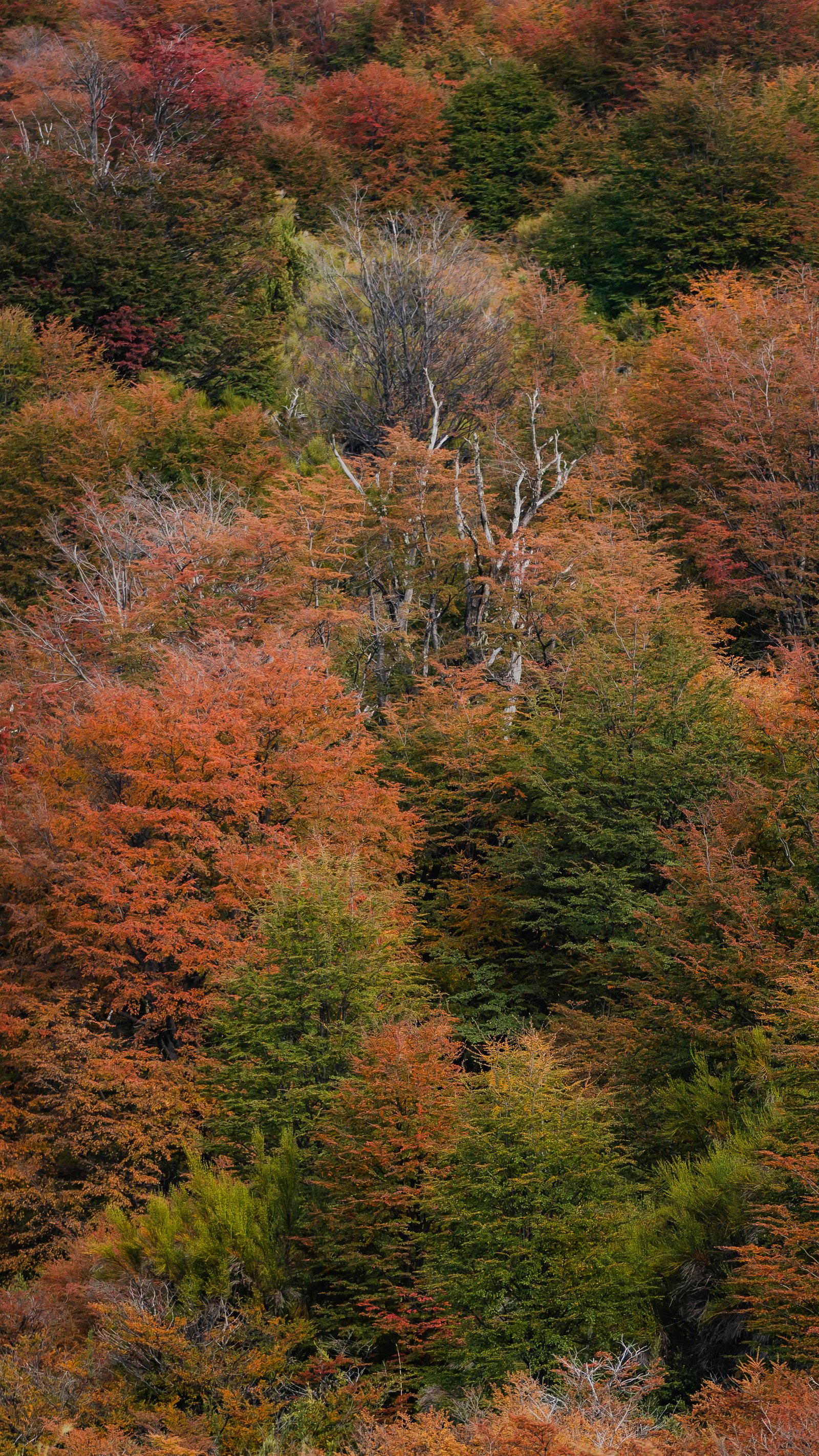
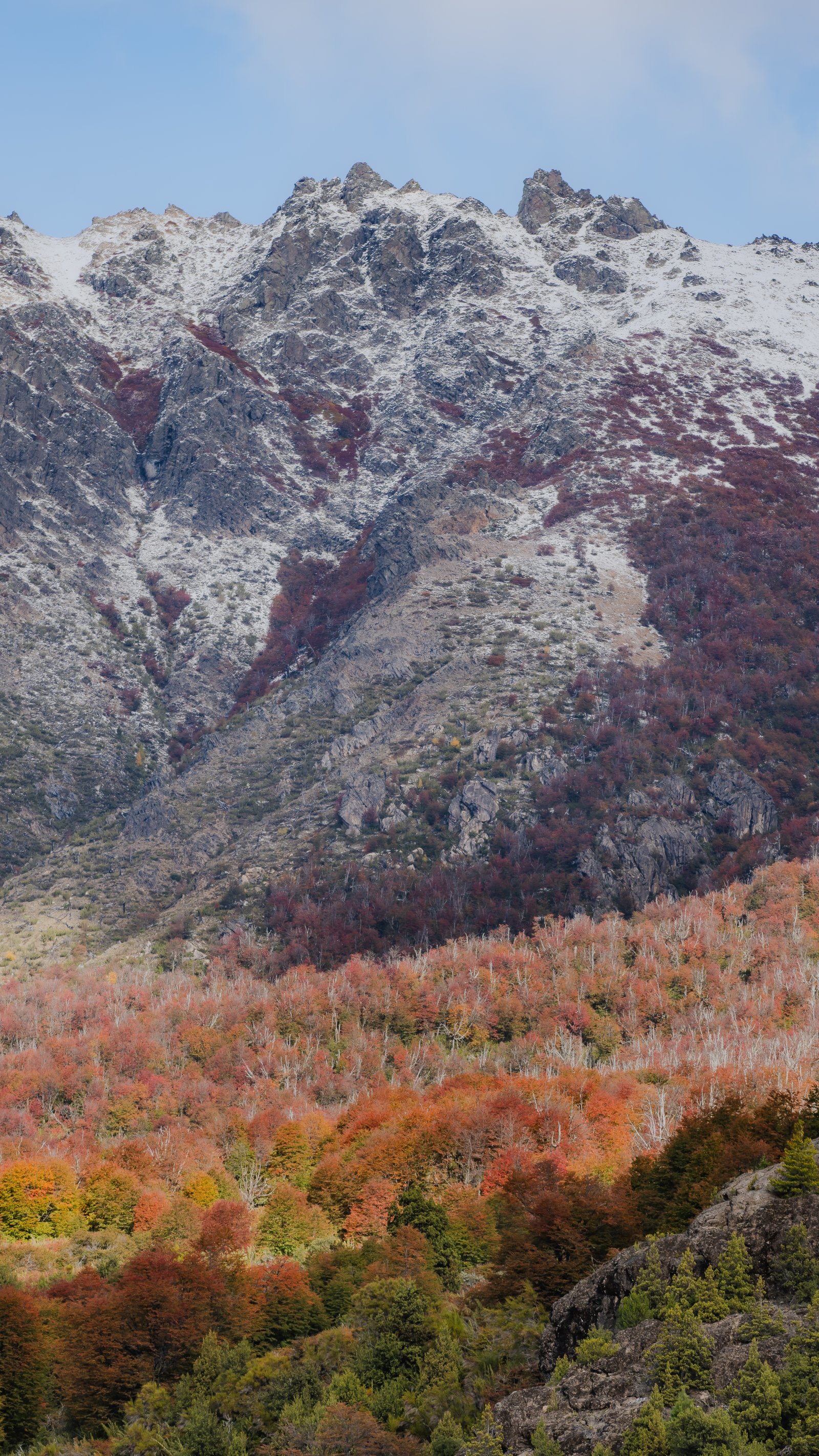
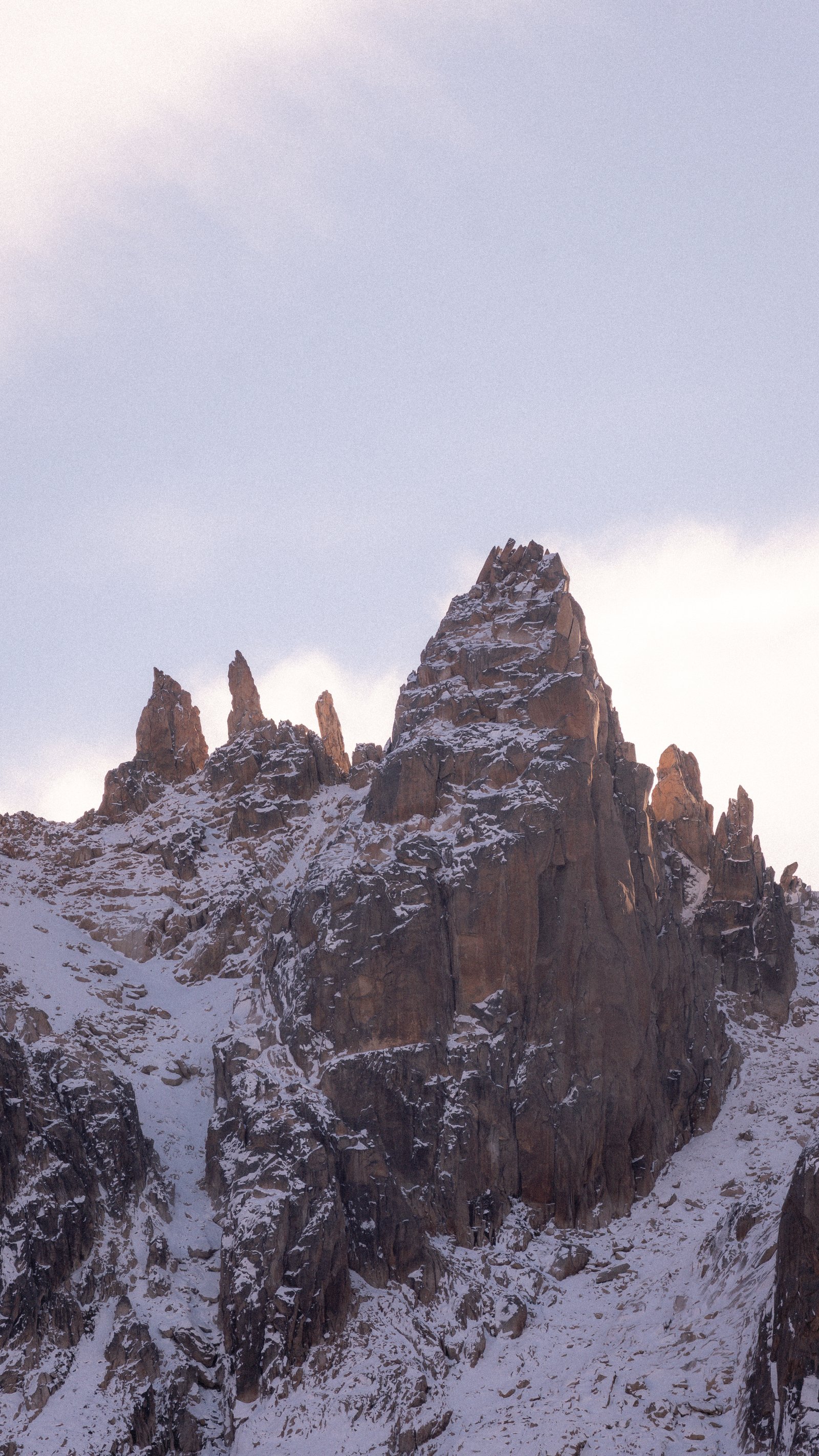
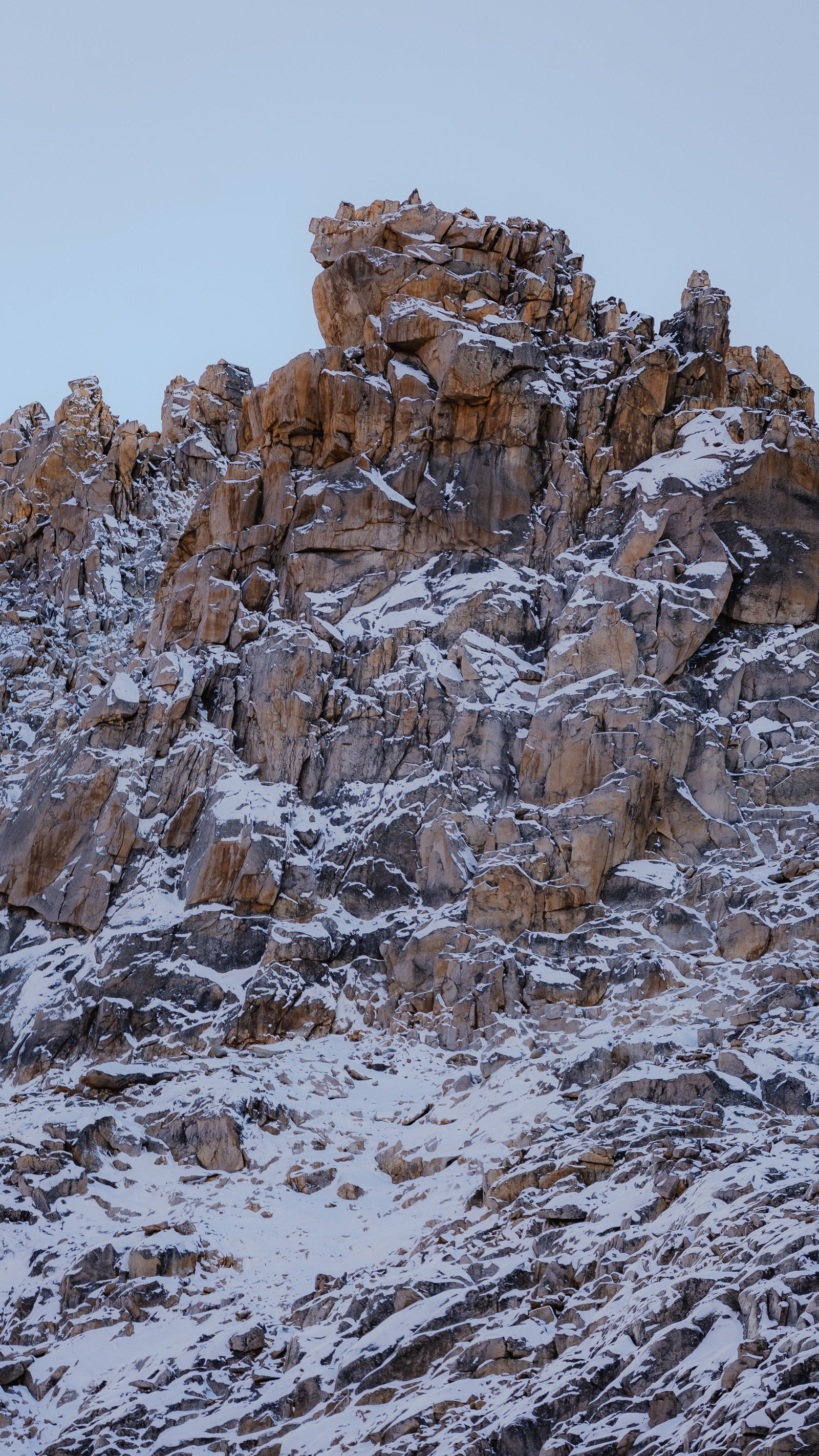
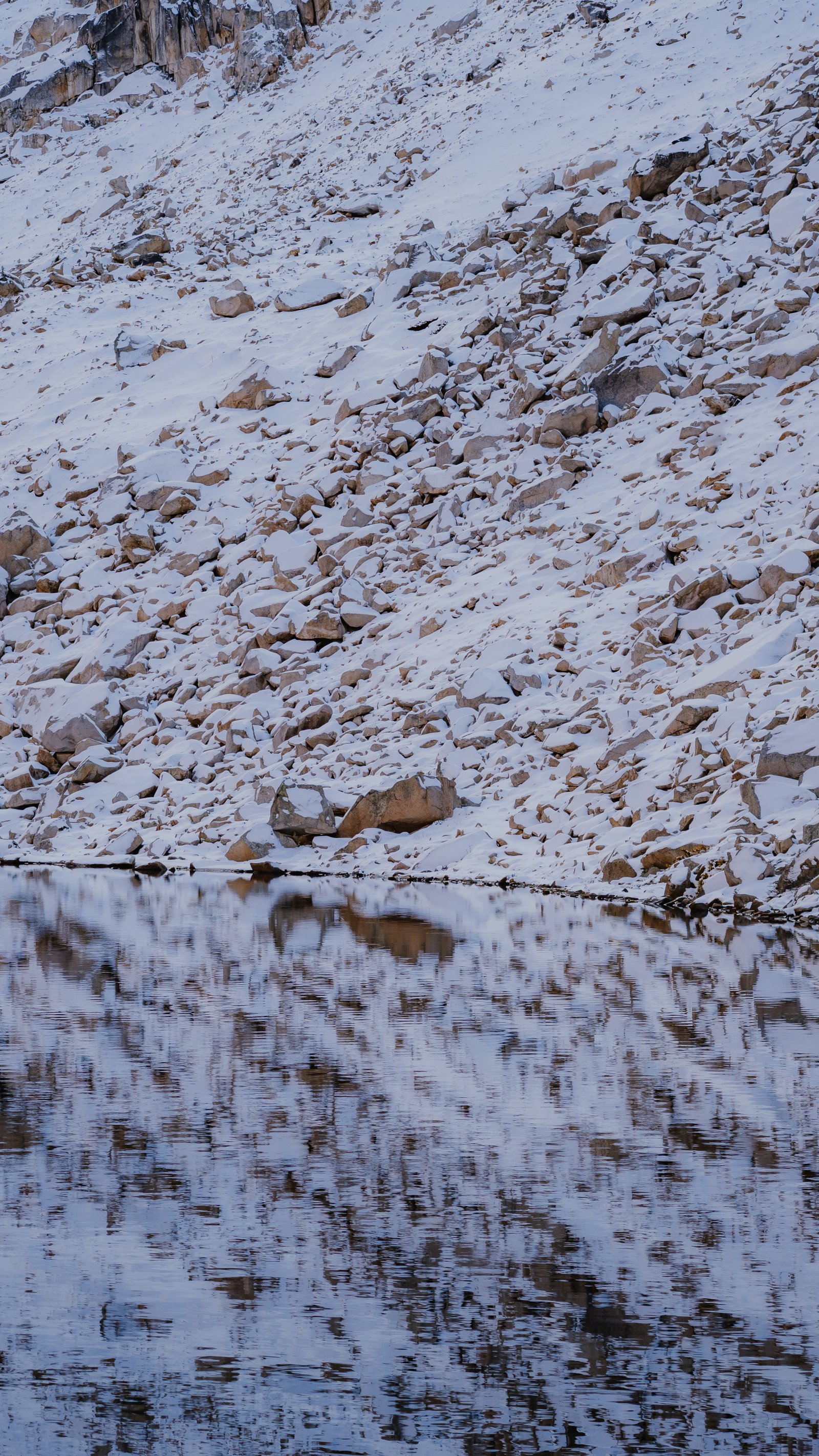
The trail to Refugio Frey in April, when the lenga is at full colour and the granite cirque still has the last of the season's snow.
Guided Experiences in Bariloche
Bariloche is one of South America's outdoor capitals. Beyond Refugio Frey, guided rock climbing, multi-day lake circuit trekking, and kayaking on Nahuel Huapi are all operated by experienced local companies.
Guided Refugio Frey hike
Guided day hike to Refugio Frey with a certified local guide. Route includes the lakeside approach, granite boulder field, and the granite spires of the Catedral massif in the background.
Book guided hike →Rock climbing introduction
Half-day rock climbing introduction on the granite faces near Cerro Catedral. All gear provided. Certified mountain guides lead the session. No prior experience needed: ideal first-time climbing.
Book climbing →Lake circuit trekking
3-day guided trek linking Refugio San Martin and Refugio Italia across the high plateau of Nahuel Huapi National Park, with views of Tronador glacier and the Chilean border range.
Book circuit →Links go to GetYourGuide for real-time availability. Check dates and guide certifications before booking.
Bariloche sits on the eastern shore of Lago Nahuel Huapi, a lake so large it takes 2 days to cross by ferry. The town is the gateway to a trail network that stretches from gentle forest walks above the water to multi-day traverses through granite cirques that rival anything in Patagonia for raw beauty.
The Nahuel Huapi National Park
Argentina's oldest national park, established in 1934, covers 717,000 hectares of Andes, lakes, rivers, and forest. The trail system is vast and only partially signed. Day hikes radiate from Villa Catedral ski resort (20 minutes from town), from the Llao Llao Peninsula, and from the Villa Mascardi area to the south where the glaciated flanks of Tronador volcano (3,491m) are accessible to experienced hikers.
Most trails inside the park are free; the main entrance fee applies to the park's southern circuits.
Refugios (mountain huts) at Frey, Lopez, Piedritas, and Jakob provide overnight accommodation for hikers doing multi-day traverses. Bunks cost around $15 to $25 USD per night and meals can be purchased at the refugio. The traverse from Frey to Lopez to Jakob over three days is one of Patagonia's best long-distance hikes and rarely as crowded as Torres del Paine.
Rock Climbing at Frey
The granite cirque at Refugio Frey is one of South America's best rock climbing destinations. The towers around Laguna Toncek offer hundreds of bolted sport routes and trad crack climbs from 5.8 to 5.13.
Climbers camp at the refugio for multiple days during summer. If you climb, bring your gear; rentals are not reliably available at the hut. The approach hike from Villa Catedral takes 4 to 5 hours, which self-selects for committed climbers rather than casual visitors.
From the Frey pinnacles you see the whole lake system spread out below. The scale stops you.
Town and Getting Around
Bariloche is a mid-size city with good transport infrastructure for a Patagonian mountain town. Local buses reach most trailheads. The main street, Mitre, has gear shops, tour agencies, and excellent chocolate shops.
The local craft beer scene is strong; Cerveceria Bachmann and Berlina are the two longest-running breweries. Accommodation ranges from dorm beds in backpacker hostels ($15 to $25 USD) to five-star lakefront hotels.
When to go
November through April is hiking season. February and March are the most reliable months: warm, relatively dry (by Patagonian standards), and the autumn colours in April turn the coihue and lenga beech forests a deep orange.
January is peak season with high visitor numbers. November opens the season with longer days but more variable weather. Winter is strictly ski season; the high trails are buried in snow from May through October.
How to get there
Bariloche (BRC) airport has multiple daily flights from Buenos Aires (1.5h) via Aerolíneas Argentinas and LATAM. Also seasonal flights from Mendoza, Córdoba, and Santiago. The airport is 14km east of the city center.
Taxi (~$6–10 USD, 20 min) or dedicated airport bus (every 30–45 min, ~$1.50 USD). City buses reach most trailheads directly: Line 10 goes to Cerro Catedral, Line 20 reaches Llao Llao and the Circuito Chico.
Long-distance buses from Buenos Aires (~20h, $30–50 USD), Mendoza (16h), and Santiago via the Cardenal Samoré pass (12h). The bus terminal is a 5-minute walk from the lakefront and the center of town.
Where to sleep
Hostel · Bariloche center
Dense hostel scene in the center and near the ski base. Good common areas, lake views from some rooftop terraces, and easy access to city buses reaching trailheads.
Hotel · Nahuel Huapi views
Lake-view hotels and boutique guesthouses with Nahuel Huapi views. Most include breakfast. Comfortable base for multi-day hiking in the national park.
Llao Llao Hotel & Resort
One of South America's iconic mountain hotels, on a forested peninsula 25km from the center. Views of Nahuel Huapi, Moreno, and Mascardi lakes from every room.
Common Questions
Refugio Lopez with the Cerro Catedral chairlift assistance gives the best summit-to-effort ratio. Taking the San Martin chairlift cuts 400m of vertical and you reach the refugio in about 3 hours from the top station. The views over Nahuel Huapi lake from 1650m are outstanding, and you can continue to the summit proper if you feel strong. Total roundtrip from the chairlift is 6 to 7 hours.
Yes, and it is excellent. The standard circuit goes Frey (day 1), Jakob (day 2), Piedritas (day 3), and Lopez (day 4), or in reverse. Each section between refugios takes 5 to 8 hours of hiking. Book refugio bunks in advance for January and February. The route is not always clearly marked; a 1:50,000 map of the park and offline GPS tracking is recommended for the intermediate sections between huts.
Yes. Local bus 55 reaches Villa Catedral ski resort (Frey and Lopez trailheads) and runs regularly in summer. Bus 20 reaches the Llao Llao Peninsula trailheads. Taxi remis (shared taxis) to the Laguna Esmeralda and Cerro Otto trailheads cost $8 to $12 USD each way and can be arranged at the hostels. Most popular trailheads are reachable by public transit or cheap taxi.
Different in character. Torres del Paine has more dramatic concentrated scenery and is justifiably famous, but also has high permit costs, crowded trails, and expensive logistics. Bariloche has more varied hiking spread across a larger area, significantly lower costs, better town infrastructure, and trails that are often empty even in peak season. For pure day hiking variety and ease, Bariloche is arguably the better base.
Patagonian weather changes fast. A morning forecast means little by afternoon. Temperatures in summer range from 5°C at night to 20°C at midday, dropping sharply above 1500m.
Afternoon thunderstorms are common from December to February. Always carry a waterproof layer and a warm fleece regardless of morning conditions. Check the SENAMHI or Weather.com forecast the evening before and be prepared to adjust plans if the mountain forecast is bad.