Ways to Experience Northwest Argentina
A road trip framework works best here: each valley and salt flat is its own destination, best seen by car or organised tour from Salta city.
Quebrada de Humahuaca
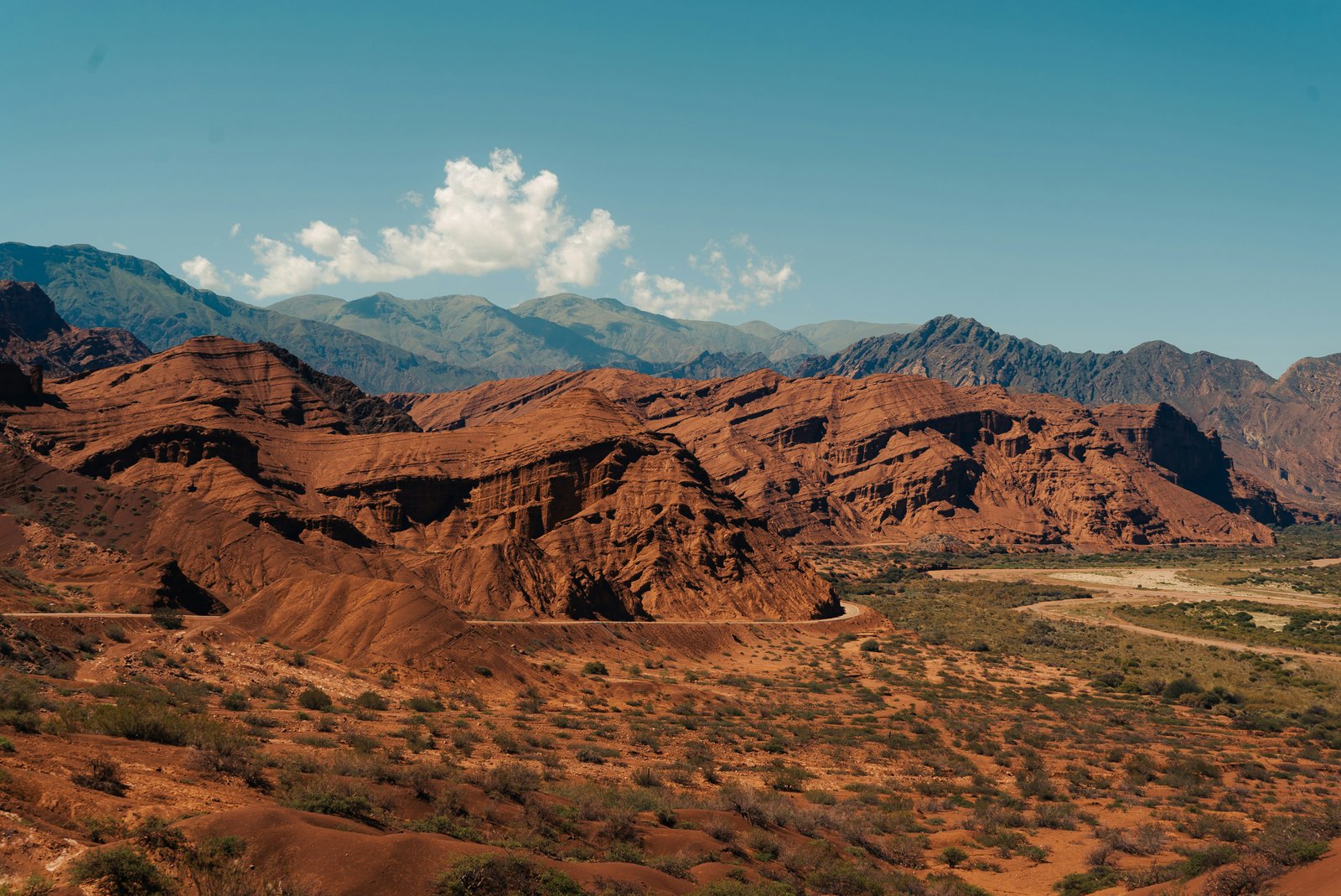
This UNESCO World Heritage canyon, 2 to 3 hours north of Salta on Ruta 9, is a 155km valley of layered geological colour: red, ochre, purple, and white strata stacked in near-vertical walls. Key stops include the Cerro de los Siete Colores at Purmamarca, Tilcara fortress (Pucara de Tilcara), and the colonial town of Humahuaca at 2940m. The valley has been an indigenous trade and Inca route for 10,000 years.
Ruta 40 to Cachi: Los Cardones National Park
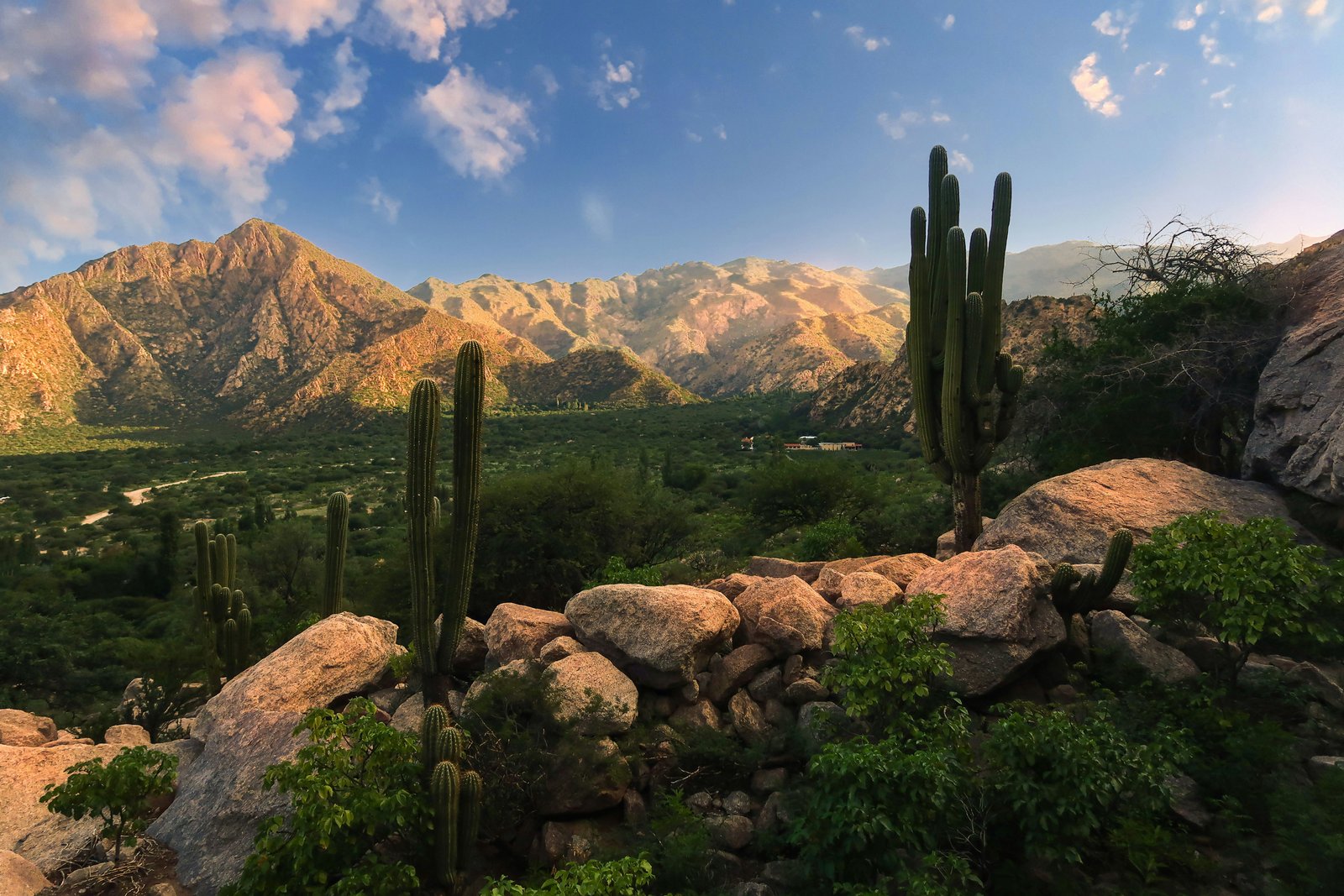
The road from Salta to Cachi crosses the Payogasta plateau at 3400m through a national park dominated by massive cardón cactus columns up to 10m tall. The drive climbs from Salta's 1152m through cloud forest, past the Piedra del Molino pass at 3457m, and descends into the high-altitude Calchaquí valley where Cachi sits at 2280m. It is one of the most dramatic road journeys in Argentina.
Cafayate and Quebrada de las Conchas
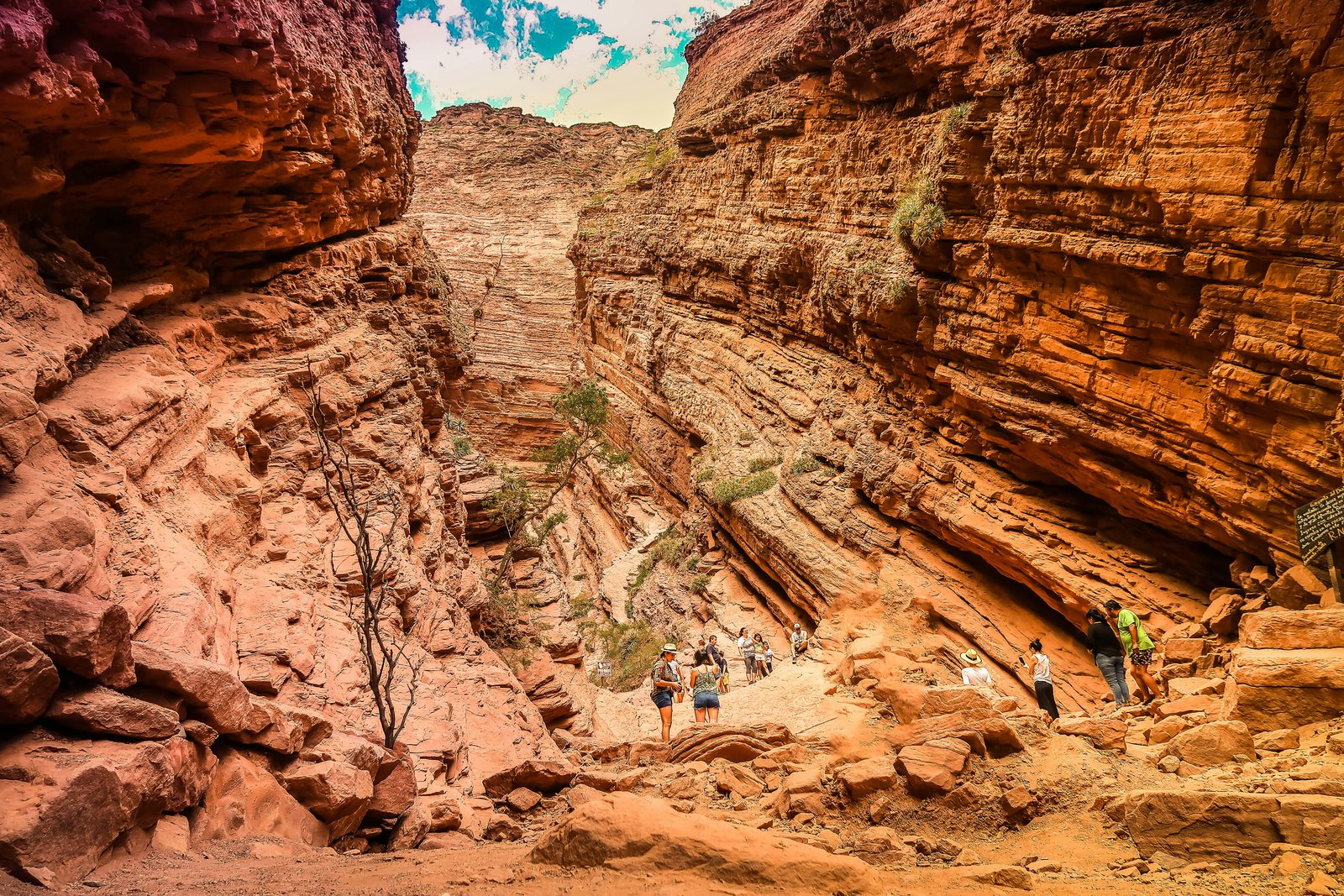
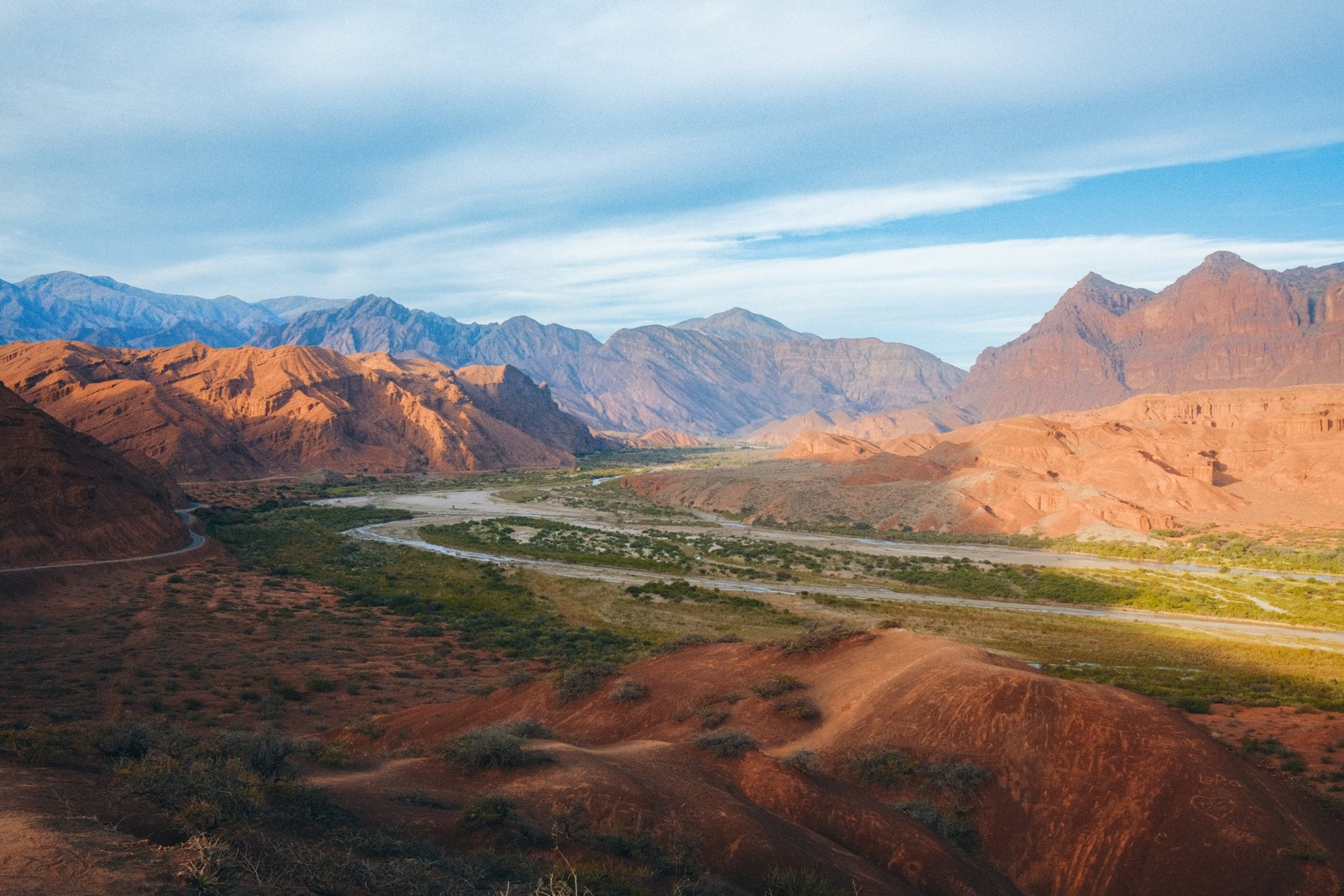
The Quebrada de las Conchas on Ruta 68 south of Salta is 50km of sandstone formations carved by wind and water into forms named for their shapes: El Anfiteatro, Los Castillos, La Garganta del Diablo.
Cafayate at the end of the quebrada is Argentina's second wine region after Mendoza and produces Torrontés, a white variety unique to the high-altitude Argentine valleys at 1680m. The combination of geological scenery and wine makes this one of the best 2-day excursions from Salta.
Salinas Grandes Salt Flat
Salinas Grandes sits at 3,459m on the Puna plateau between Jujuy and Salta provinces, a 212 square kilometre salt flat where indigenous Kolla communities still harvest salt using traditional techniques.
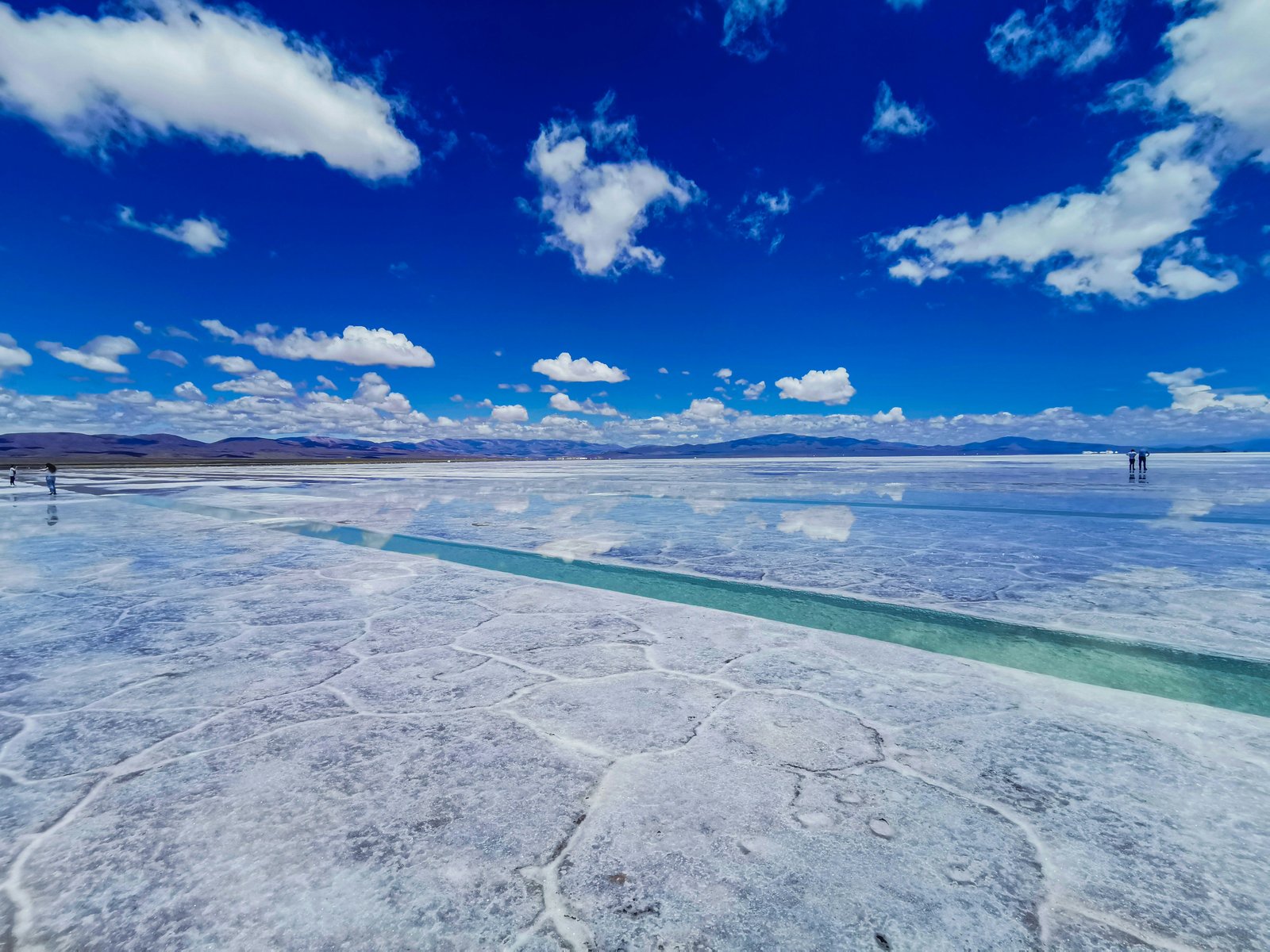
The ground is a mosaic of white salt polygons fractured by evaporation, and the sky reflection after rain creates the mirror effect that makes Bolivian Salar de Uyuni famous. A shorter, more accessible version of the same phenomenon is here.
Salta in Photos
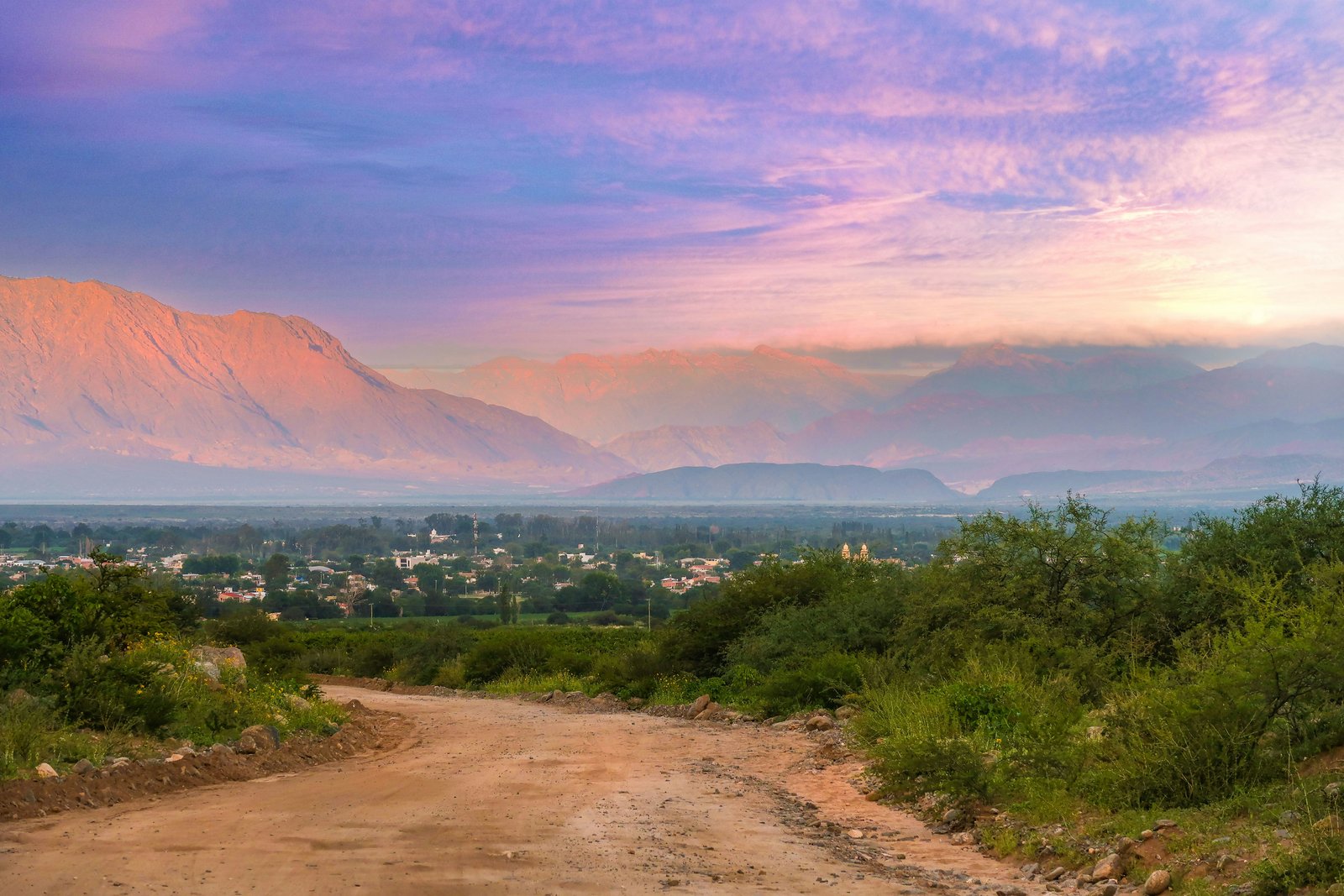
Purmamarca at dawn before the market opens, the salt crust of Salinas Grandes at 3,400 metres, and the red canyon walls of the Quebrada de las Conchas in the last hour of light.
Guided Experiences in Salta and the Quebrada
Most of Salta's highlights: the Quebrada de Humahuaca, the Salinas Grandes salt flat, and Cafayate wine valley: are full-day drives from the city. All are best with a local guide who knows the stops.
Quebrada de Humahuaca guided tour
Full-day tour up the UNESCO World Heritage Quebrada de Humahuaca. Visits to Purmamarca (Cerro de los Siete Colores), Tilcara citadel, Humahuaca, and the Tropic of Capricorn marker. 400 km round trip.
Book Quebrada tour →Salinas Grandes and Purmamarca
Salt flat crossing of the Salinas Grandes (3,450m) with photography stops, followed by Purmamarca and the seven-coloured hillside. The road over the Lipan Pass at 4,170m is one of the most spectacular in Argentina.
Book salt flat tour →Cafayate wine and canyon day
Full-day tour south through the Quebrada de las Conchas: wind-eroded red sandstone formations: finishing with high-altitude Torrontés and Malbec tastings in Cafayate wine town.
Book Cafayate tour →Links go to GetYourGuide for real-time availability. Check dates and guide certifications before booking.
Northwest Argentina is the part of the country that most people overlook, and the part that stays with you longest. The Calchaquí valleys hold ancient ruins and vineyards. The quebradas slice through geological strata that read like a 500-million-year timeline in colour. Salta city is the base for all of it, and three days here barely covers the ground.
Salta City as a Base
Salta sits at 1152m in a bowl valley surrounded by cloud-forested hills. It is one of Argentina's most intact colonial cities: the 1882 Catedral and the MAAM museum (which holds three pre-Columbian Inca mummies found at 6739m on Llullaillaco volcano) are must-sees.
The city has good infrastructure for travellers, a reliable network of tour agencies for excursions to surrounding attractions, and direct flights from Buenos Aires in 2 hours. Food is excellent: locro stew, empanadas saltenas, and humita are regional specialties.
The Quebrada de Humahuaca in Detail
The valley stretches 155km from Volcán in the south to La Quiaca on the Bolivian border in the north. The lower part, between Volcán and Tilcara, is greener and more cultivated. Above Tilcara (2461m) the valley becomes drier and the geological formations more dramatic.
Tilcara itself is the best base for an overnight stay: it has good accommodation, restaurants, and the Pucará de Tilcara pre-Inca fortress on a hill above town. The Cerro de los Siete Colores is in Purmamarca at the southern end, just 65km from Jujuy city (not from Salta).
The Quebrada changes colour every hour as the sun moves across the rock face.
High Altitude Considerations
Most of the northwest experiences happen between 2000m and 3500m elevation. Salinas Grandes at 3459m and the Cachi road at 3457m are the highest points accessible by road.
Altitude sickness (soroche) is possible for visitors arriving directly from sea level. Give yourself a day to acclimatize in Salta (1152m) before driving to the high puna. Coca leaf tea, available everywhere in the northwest, is the local remedy and does help mildly with symptoms.
When to go
The northwest has a desert-monsoon climate. April through September is dry season with clear skies, cool nights, and excellent road conditions on the puna. July is coolest (nights near 0°C at altitude) but skies are reliably blue.
The wet season from December through March brings intense afternoon thunderstorms, mudslides, and road closures, particularly on the Cachi route. The Humahuaca quebrada is more accessible year-round as Ruta 9 is sealed, but the dramatic desert clarity is best in the dry months.
How to get there
Fly direct Buenos Aires (AEP/EZE) to Salta (SLA): 2 hours, multiple daily flights via Aerolíneas Argentinas and LATAM. Also direct flights from Córdoba and Mendoza. Salta airport is 6km from the city centre.
Long-haul buses from Buenos Aires (Retiro) to Salta take 20 to 22 hours. Andesmar and Flecha Bus run comfortable semi-cama and cama services from around $30–50 USD. A scenic but time-consuming option.
A rental car is the most flexible option for exploring the Quebrada, Cachi, and Cafayate independently. Ruta 9 north is sealed. The Cachi route crosses unpaved mountain roads: a high-clearance vehicle is recommended for the full circuit.
Where to sleep
Hostal · Salta city
Salta has good budget accommodation in the colonial centre. Hostal del Virrey and Posada del Siglo are well-located. Privates from $20. The city's food scene is excellent even on a tight budget.
Boutique hotel · centro histórico
Colonial-era boutique hotels in Salta's historical centre offer the best value in the mid-range. Several occupy converted 18th-century buildings with interior courtyards.
Finca · Calchaquí Valleys
Finca Valentina and Patios de Cafayate are working winery estates that take guests. Sleeping on a Malbec property in the valley with the quebrada as a backdrop is a genuine luxury.
Common Questions
Allow 5 to 7 days minimum to cover the main highlights without rushing. Two days for the Humahuaca quebrada (with an overnight in Tilcara or Purmamarca), one full day for Cafayate and the Quebrada de las Conchas, one day for Cachi and Los Cardones, and half a day for Salinas Grandes (combined with the Humahuaca route). Salta city itself deserves a day to explore.
For the Cachi road (Ruta 33 between Payogasta and the pass) yes, or at minimum high clearance. The road is unpaved and deteriorates after rain. For Humahuaca, Cafayate, and Salinas Grandes (Ruta 52 via Purmamarca), a standard car is fine as these are paved roads. If you are only doing one of the northwestern loops, check road conditions at the Salta tourist office before leaving.
It can be, particularly at Salinas Grandes (3459m) and on the Cachi pass (3457m). Visitors arriving directly from Buenos Aires (sea level) may feel headaches, fatigue, and breathlessness. Spend your first day in Salta city (1152m) before going higher. Drink plenty of water, avoid alcohol on the first day, and take it slow. Coca leaf tea is available everywhere and provides mild relief. Descend if symptoms are severe.
Yes. The Museo de Arqueología de Alta Montaña (MAAM) in Salta city displays the Llullaillaco children, three Inca capacocha mummies discovered in 1999 at 6739m on Volcán Llullaillaco.
Only one mummy is displayed at a time on rotation; the display is in a refrigerated climate-controlled chamber. The museum is open Tuesday through Sunday, entry around $5 USD, and is one of the most extraordinary archaeological exhibits in South America.
Absolutely, particularly the Torrontés, which is produced at commercial quality almost exclusively in the Calchaquí valleys and is rarely found outside Argentina. Bodegas like El Esteco, Colomé (the highest winery in the world at 2300m), and Etchart are all worth visiting with tastings. Wines can be shipped from the wineries if buying in volume, or carry-on limits allow 2 bottles in checked luggage typically.