Inca Trail and Alternatives
The classic 4-day route, the shorter 2-day version, and two alternatives that reach Machu Picchu through different Andean terrain.
Classic Inca Trail: Day 1 and 2
Day 1 (82 Trail marker to Wayllabamba, 12km): The trail starts at 2,700m at Km 82, the trail head on the Urubamba River reached by train from Cusco. The first day is a warm-up: gradual ascent through agricultural land and dry valley, reaching Wayllabamba camp at 3,100m.
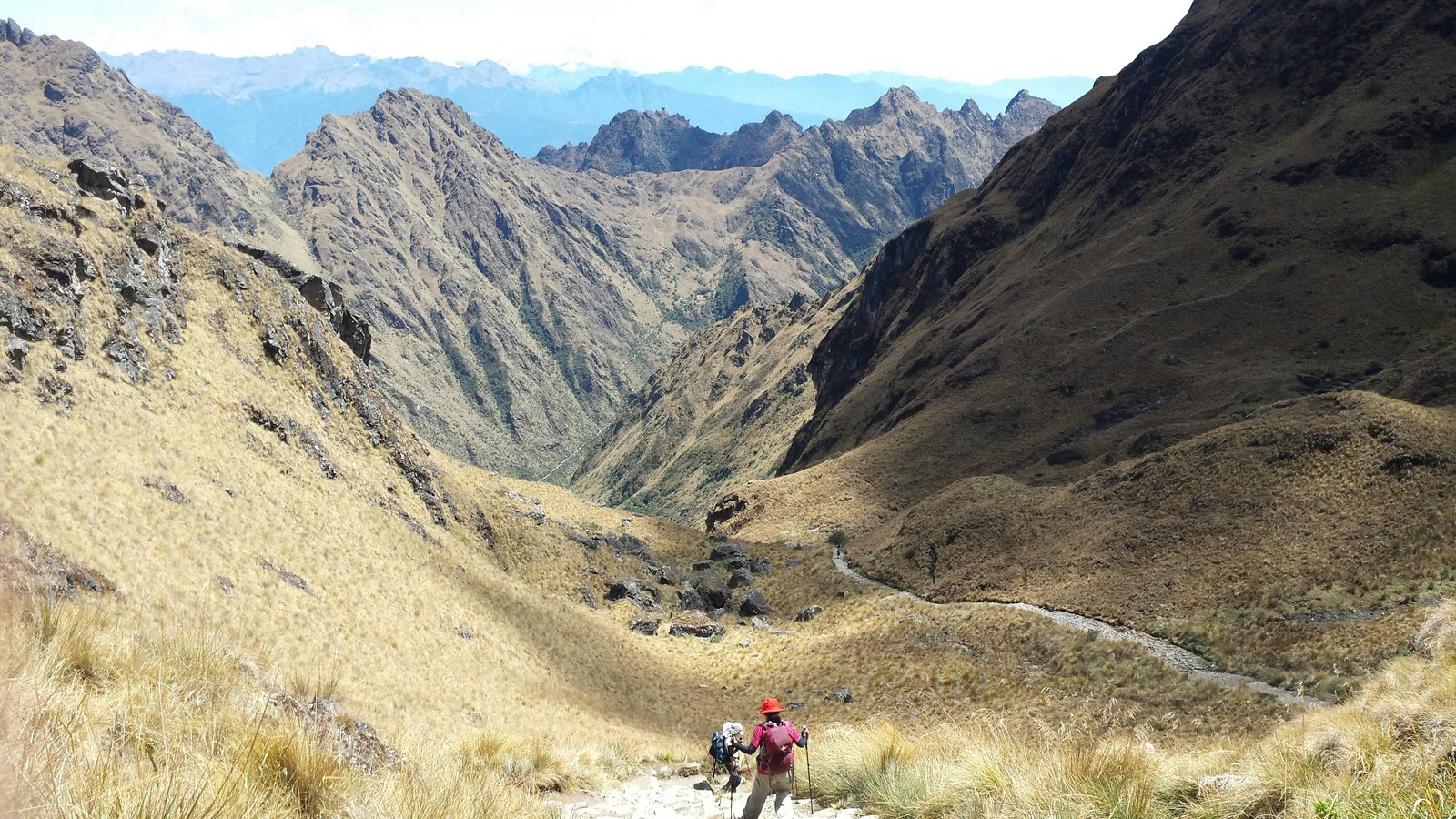
Day 2 (Wayllabamba to Pacaymayo, 16km) is the hardest day: a relentless 1,200m climb to Dead Woman's Pass (Abra de Warmihuanusca, 4,215m), the highest point on the trail. The name comes from the profile of the ridgeline, which resembles a supine woman from below. From the pass, the descent to Pacaymayo camp at 3,600m is steep and loose on wet days.
Classic Inca Trail: Day 3 and 4
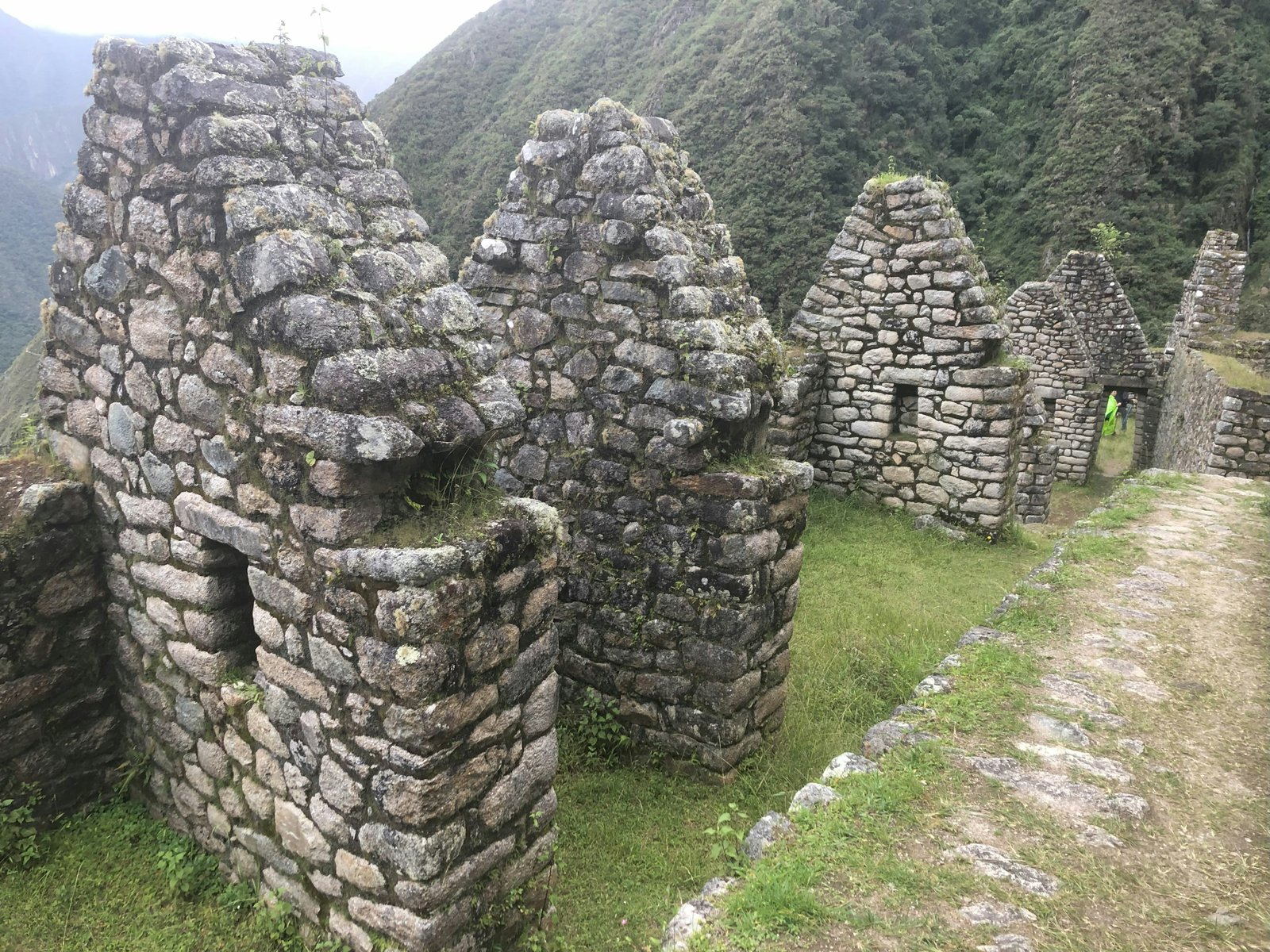
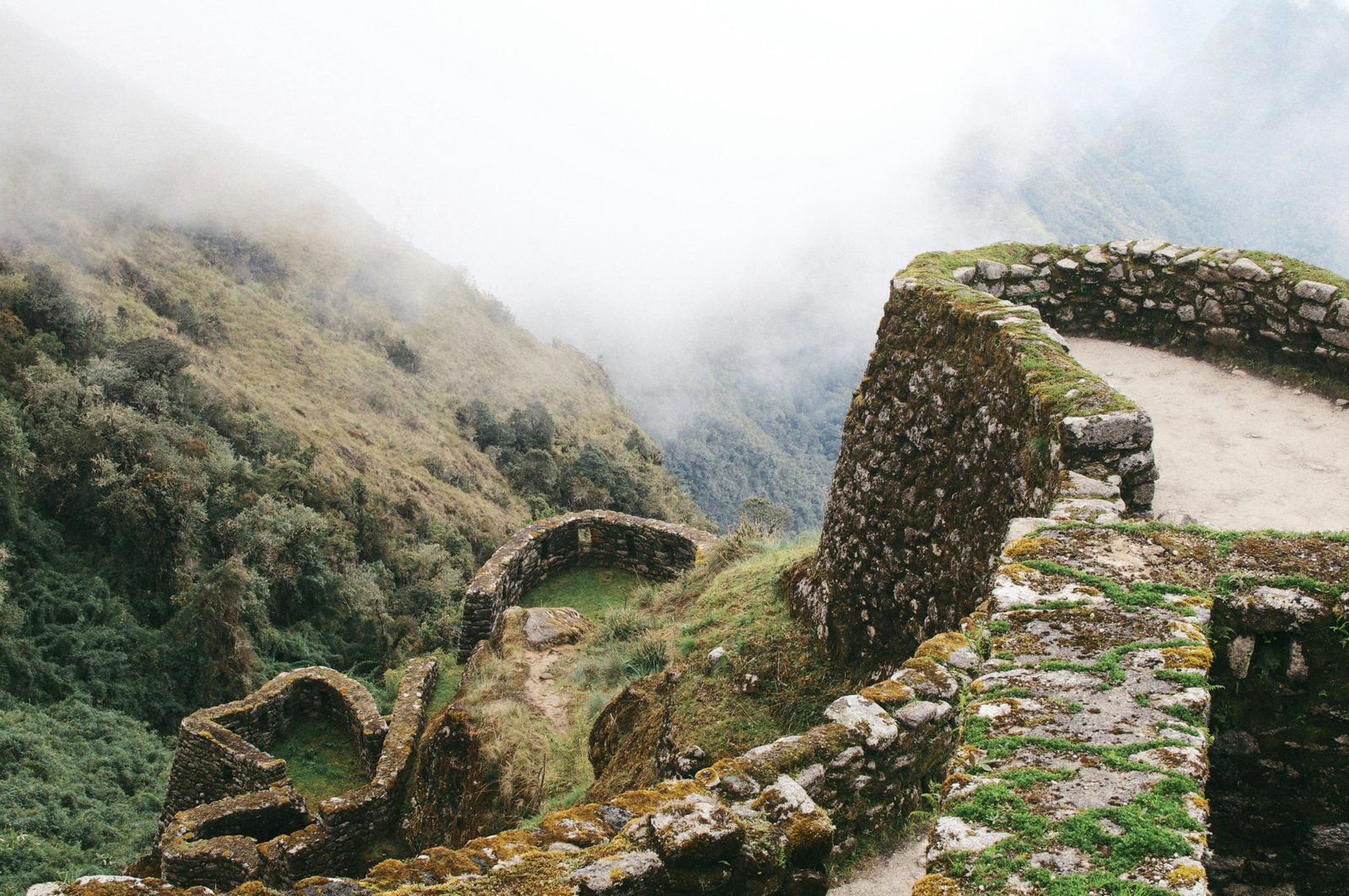
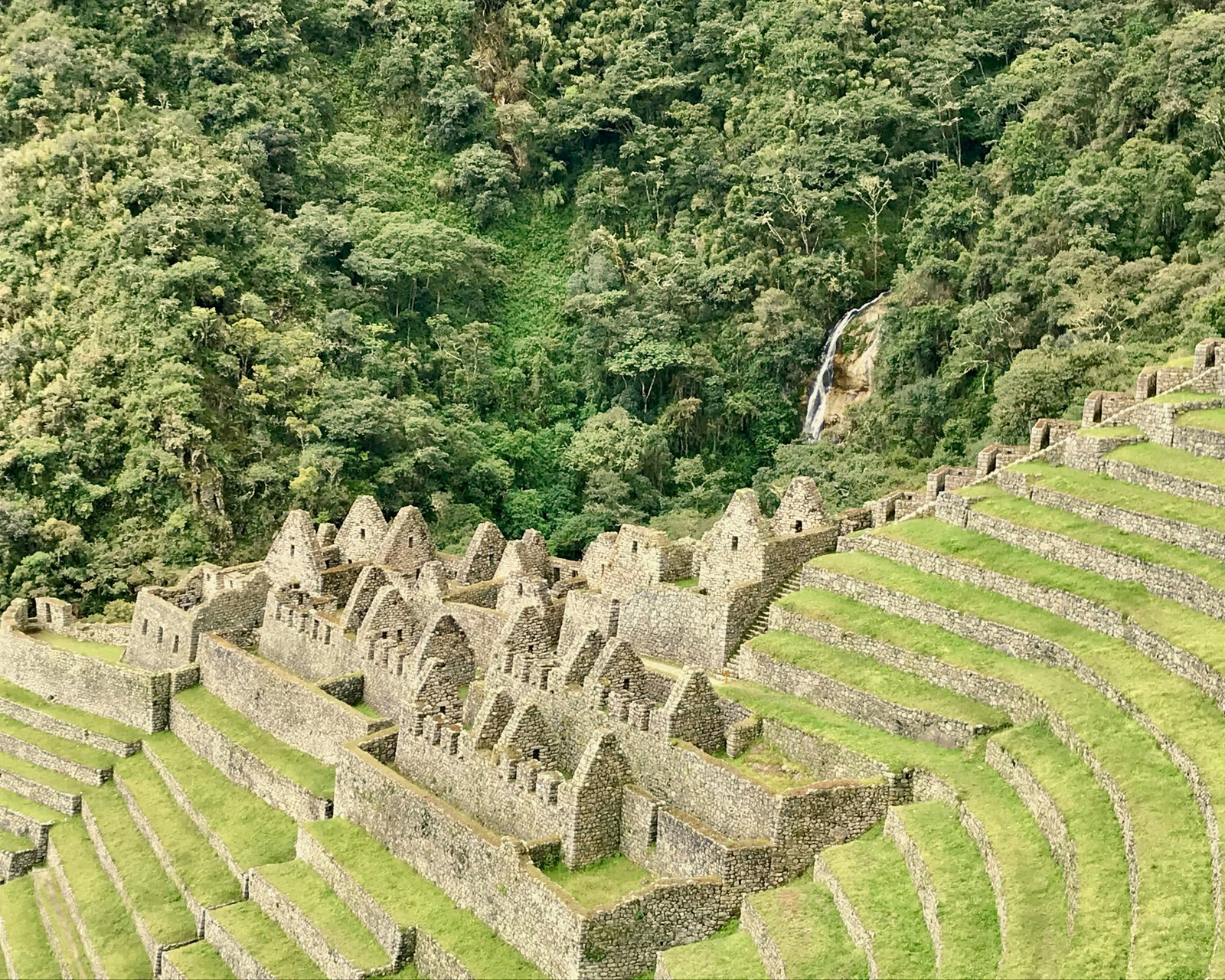
Day 3 (Pacaymayo to Winay Wayna, 11km): Two more passes (Runkuracay at 3,950m and Phuyupatamarca at 3,700m) and the most spectacular section of original Inca stone paving. The trail passes the ruins of Sayacmarca (cloud perch) and Phuyupatamarca (place above the clouds), both significant Inca ceremonial sites preserved in the cloud forest.
The descent from Phuyupatamarca to Winay Wayna is on original Inca stone steps, about 1,000 steps descending 600m. Day 4: A 5am wake-up, the final climb through the Sun Gate (Inti Punku) at 2,745m with the first view of Machu Picchu in the valley below, and descent to the city itself. The Sun Gate arrival is the payoff for 3 days of climbing.
2-Day Short Inca Trail
The 2-day Inca Trail starts at Km 104 on the train line, significantly closer to Machu Picchu. Day 1: A steep 7km climb from 2,100m to the ruins of Winawayna (2,650m), staying overnight at the campsite near the ruins.
Day 2: The final 5km from Winawayna through the Sun Gate to Machu Picchu. This route shares the last section with the classic trail and gives the Sun Gate arrival experience. It is a fraction of the effort but does not include the high passes or the full 4-day experience. It requires the same permit as the classic trail, just for a shorter segment.
Salkantay Trek Alternative
The Salkantay Trek is the most popular alternative to the Inca Trail, reaching Machu Picchu via the 4,600m Salkantay Pass beneath the 6,271m snowcap of Salkantay mountain. It does not require an advance permit (no quota), which makes it accessible at short notice.
From the pass, the trail descends through cloud forest, tropical jungle, and coffee plantation country to the Hidroelectrica station and a train to Aguas Calientes (the village at the base of Machu Picchu). The pass day is a demanding 1,200m climb followed by a 1,200m descent; the transition from alpine to jungle over 24 hours is dramatic.
Lares Trek Alternative
The Lares Trek passes through remote Quechua communities in the highlands north of the Sacred Valley, connecting villages that have little contact with tourism. The trek crosses two passes around 4,400m and ends with a train from Ollantaytambo to Aguas Calientes.
Unlike the Inca Trail, the emphasis here is on Andean villages, local weaving traditions, and high-altitude llama herding country. There are no ancient ruins on the route itself, but the final destination is still Machu Picchu. Permits are not required; tours can be arranged in Cusco with 24 to 48 hours notice.
Inca Trail in Photos
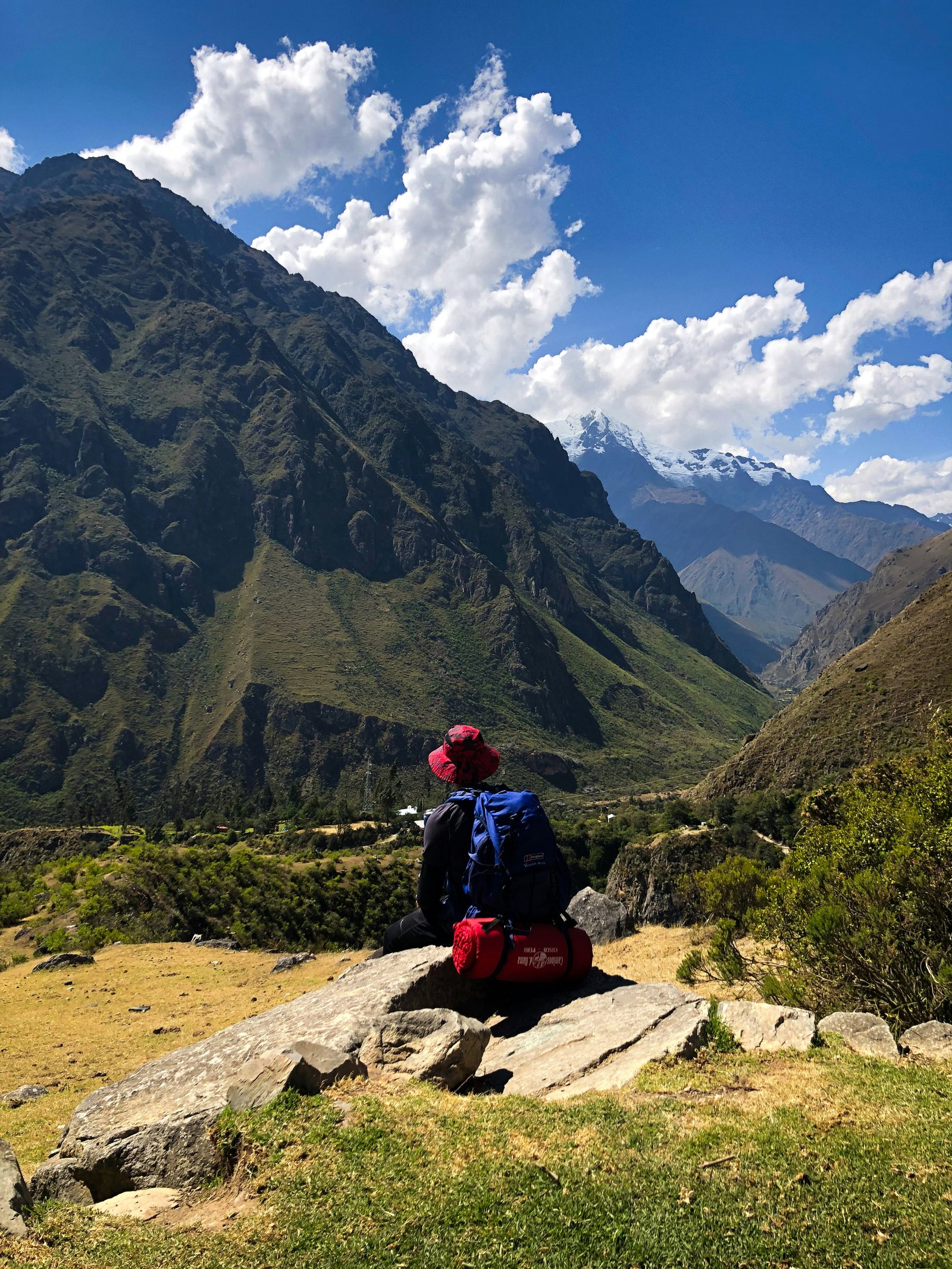
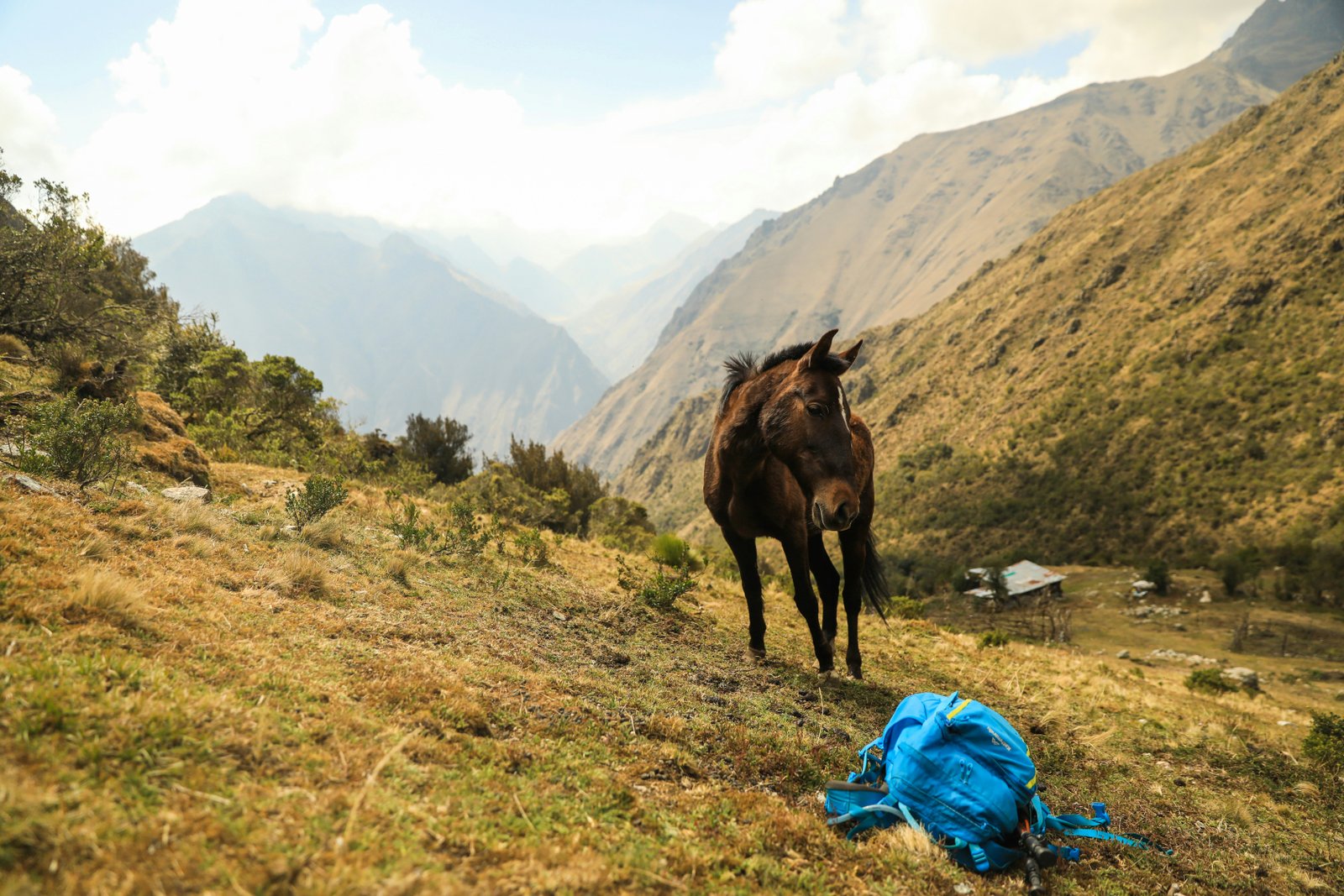
Four days from Km 82 to Machu Picchu — Dead Woman's Pass at 4,215 metres, the original Inca paving through cloud forest, and Winawayna an hour before the Sun Gate.
Guided Inca Trail Experiences
The classic 4-day Inca Trail requires a licensed operator and sells out months in advance. Alternative routes like Salkantay and Lares offer more flexibility and equally impressive landscapes.
Classic 4-day Inca Trail
The original route: KM82 to the Sun Gate, 4 days through cloud forest and high passes, arriving at Machu Picchu at sunrise on Day 4. Permits sell out 6 months ahead. Licensed operator required by law.
Book classic trail →Salkantay alternative
5-day trek over the 4,600m Salkantay Pass through diverse microclimates from glaciated highlands to subtropical jungle, finishing at Machu Picchu. No permit quota: more flexibility, similar scenery.
Book Salkantay →Lares cultural trek
4-day trek through high-altitude Quechua communities, hot springs, and Andean passes to finish at Ollantaytambo then Machu Picchu by train. Less hiking infrastructure, deeper cultural immersion.
Book Lares trek →Links go to GetYourGuide for real-time availability. Check dates and guide certifications before booking.
The Inca Trail is one of the most regulated walking routes in the world. Five hundred people per day, guides required, agency booking mandatory, no independent walkers. The restrictions exist because the trail almost collapsed under overuse in the early 2000s. What those restrictions also do is preserve the actual experience: you are walking on 600-year-old stone paving through functioning Inca ruins to a 15th-century city, and you are not sharing it with 5,000 people.
Permits and booking
The classic 4-day Inca Trail is capped at 500 people per day, including guides and porters. Solo walkers without a licensed guide are not allowed. Permits must be booked through a licensed Peruvian tour operator; they cannot be purchased independently.
High season (June, July, August) permits sell out 6 months ahead. February is the only month the trail completely closes (wet season maintenance). For May, September, and October, permits are typically available 2 to 3 months in advance. Your passport number is required at booking and must match on the trail.
Altitude and acclimatization
Cusco sits at 3,400m and most trekkers arrive by plane from Lima at sea level. Altitude sickness is common in the first 24 to 48 hours in Cusco. Symptoms include headache, nausea, and fatigue. The standard protocol is: arrive in Cusco 2 to 3 nights before the trek starts, drink coca tea (available everywhere and legal in Peru), avoid alcohol the first night, and ascend slowly.
Day 2 of the Inca Trail (Dead Woman's Pass at 4,215m) is where altitude sickness hits hardest; walkers who have not acclimatized properly sometimes need to be evacuated by horse from the pass.
Dead Woman's Pass at 4,215 m. Nothing but altitude, silence, and ancient stone.
When to go
May through September is the dry season in the Andes: clear skies, cold nights, warm days, and well-maintained trail. June and July have the most permit competition but also the best reliability of good weather at the passes.
April and October are shoulder season: occasional rain, good cloud forest conditions, sometimes better visibility at Machu Picchu because the city is less obscured by morning valley cloud. February is closed; January and March have significant rain that can make the stone steps treacherous.
How to get there
Fly Lima (LIM) to Cusco (CUZ): 1 hour, multiple daily flights via LATAM, Sky and Avianca. International connections to Lima from most South American capitals and major hubs. Plan 2 nights in Cusco at 3,400m before the trek to acclimatize.
Your agency organizes the 2.5-hour transfer from Cusco to Km 82 on the Urubamba River, the classic trailhead. For the 2-day short trail, the start point is Km 104, reached by train from Ollantaytambo.
The trail ends at Machu Picchu. Bus down to Aguas Calientes, then train to Ollantaytambo (~2h) and bus to Cusco. All day-4 logistics are arranged by your agency and included in the tour cost.
Where to sleep
Hostel · Cusco
Loki Hostel and Pariwana are the backpacker staples near Plaza de Armas. Dorms from $12, privates from $30. Book 2 months ahead for June and July.
Boutique hotel · Sacred Valley
Staying in Urubamba or Ollantaytambo acclimatizes you faster than Cusco city and puts you closer to the trailhead. Properties like Sol y Luna offer genuine comfort at altitude.
Luxury lodge · Aguas Calientes
Inkaterra Machu Picchu Pueblo Hotel sits in cloud forest below the citadel. Worth booking for the final night post-trail before returning to Cusco.
Common Questions
You cannot book a permit independently. You must book through a licensed Peruvian tour operator, who holds a quota of permits from the Peruvian Ministry of Culture. Independent booking through the government system requires a Peruvian guide to be registered on the same permit.
Operators include Alpaca Expeditions, G Adventures, Llama Path, and Andean Path. When booking, you supply your passport number, which is printed on the permit and checked at the trail entrance. Changing group members after booking is difficult and incurs fees.
Day 2 is a 16km walk with 1,200m of ascent to 4,215m. You do not need to be an experienced mountaineer, but you should be comfortable with long days of uphill walking. Start cardiovascular training (stair climbing, hiking) 2 to 3 months before.
The altitude is the bigger challenge than the physical distance; a fit person who is poorly acclimatized will struggle more than a moderately fit person who is well acclimatized. Two nights in Cusco minimum before the trail start is the standard advice from all operators.
Yes. Most visitors arrive by train to Aguas Calientes and take the bus up the switchback road to Machu Picchu. The train runs from Cusco via Ollantaytambo (2 hours) or from Poroy station outside Cusco.
Peru Rail and Inca Rail operate the service. The bus from Aguas Calientes to the ruins entrance costs around $24 USD return. Machu Picchu itself requires timed entry tickets purchased in advance through the Ministry of Culture website; the site has a visitor cap and sessions sell out, especially for the first morning entry slot.
Arriving through the Sun Gate on the Inca Trail, the city appears below you in the valley. It is smaller than the photographs imply (area of about 13 sq km for the wider site, but the main terrace complex is compact) and surrounded by cloud-covered peaks. The architecture is dense, precise, and largely intact.
The most surprising thing for most first-time visitors is that the stonework requires no mortar; each stone is cut to interlock with the adjacent stones, a technique that has survived centuries of earthquakes. The site is genuinely impressive in person, and the walk-in via the Sun Gate rather than the bus approach gives you 30 minutes alone in the city before the bus visitors arrive.
The Sacred Valley (Pisac market, Ollantaytambo fortress) is at a lower altitude than Cusco and makes a good first acclimatization day. Spend night 1 in Cusco resting; avoid alcohol entirely.
Day 2: short walk, coca tea, rest. Day 3: the Sacred Valley tour or a light walk to nearby ruins such as Sacsayhuaman above the city. Day 4 or 5: start the Inca Trail. Most operators collect you at 5am from your hotel in Cusco and transport you to the trailhead by minibus.