Trails in the Cordillera Blanca
Laguna 69 is the centrepiece, but the Cordillera Blanca has a full range from short acclimatisation walks to a 4-day wilderness circuit.
Laguna 69
The trail starts at the Cebollapampa car park (3,750m) in Huascarán National Park, 85km from Huaraz. The first 4km cross open pampa alongside the Llaca River, gaining altitude gradually before the trail steepens sharply at the 8km mark. The final 2km to the lake climb a series of rock steps and moraine at 4,400 to 4,604m.
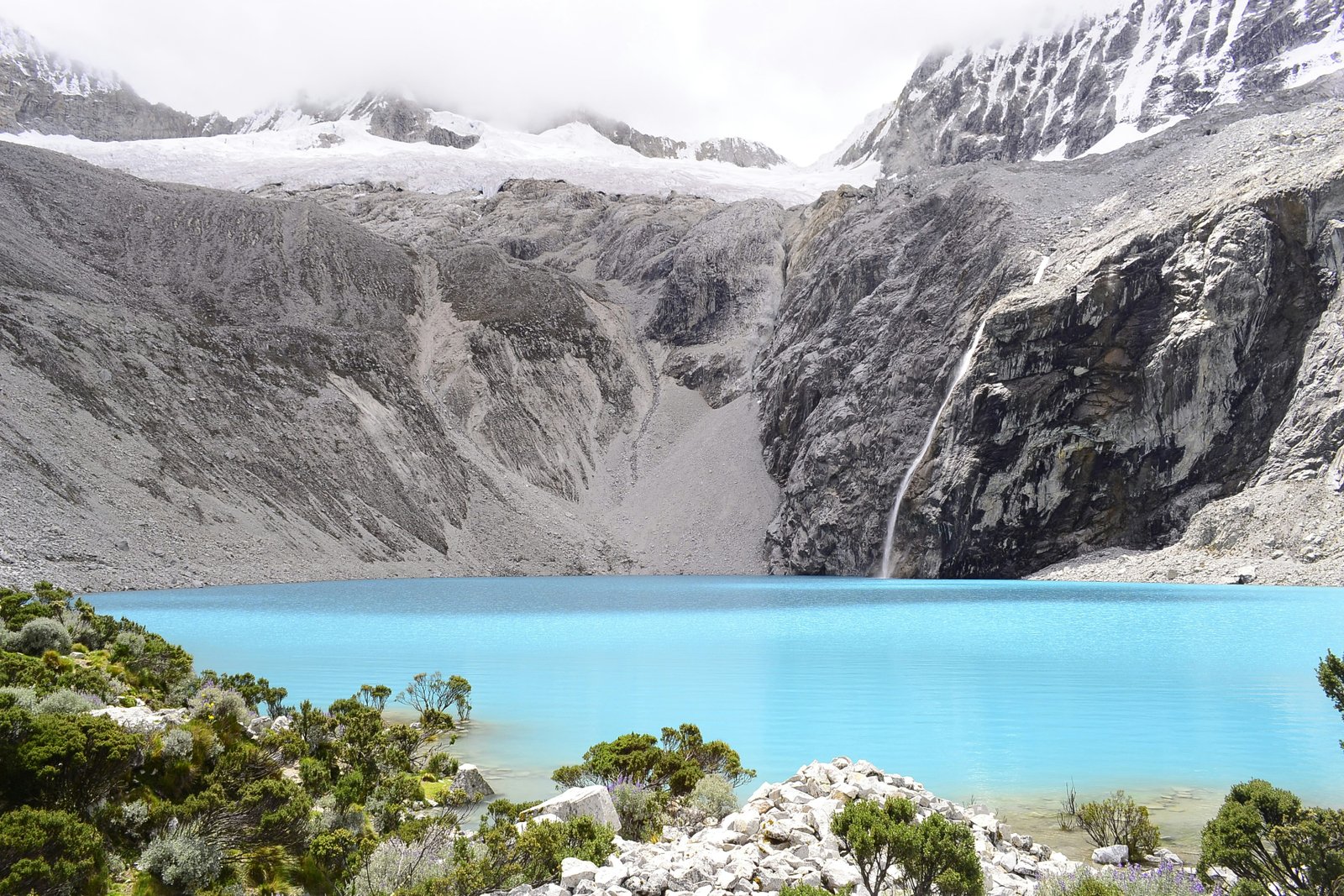
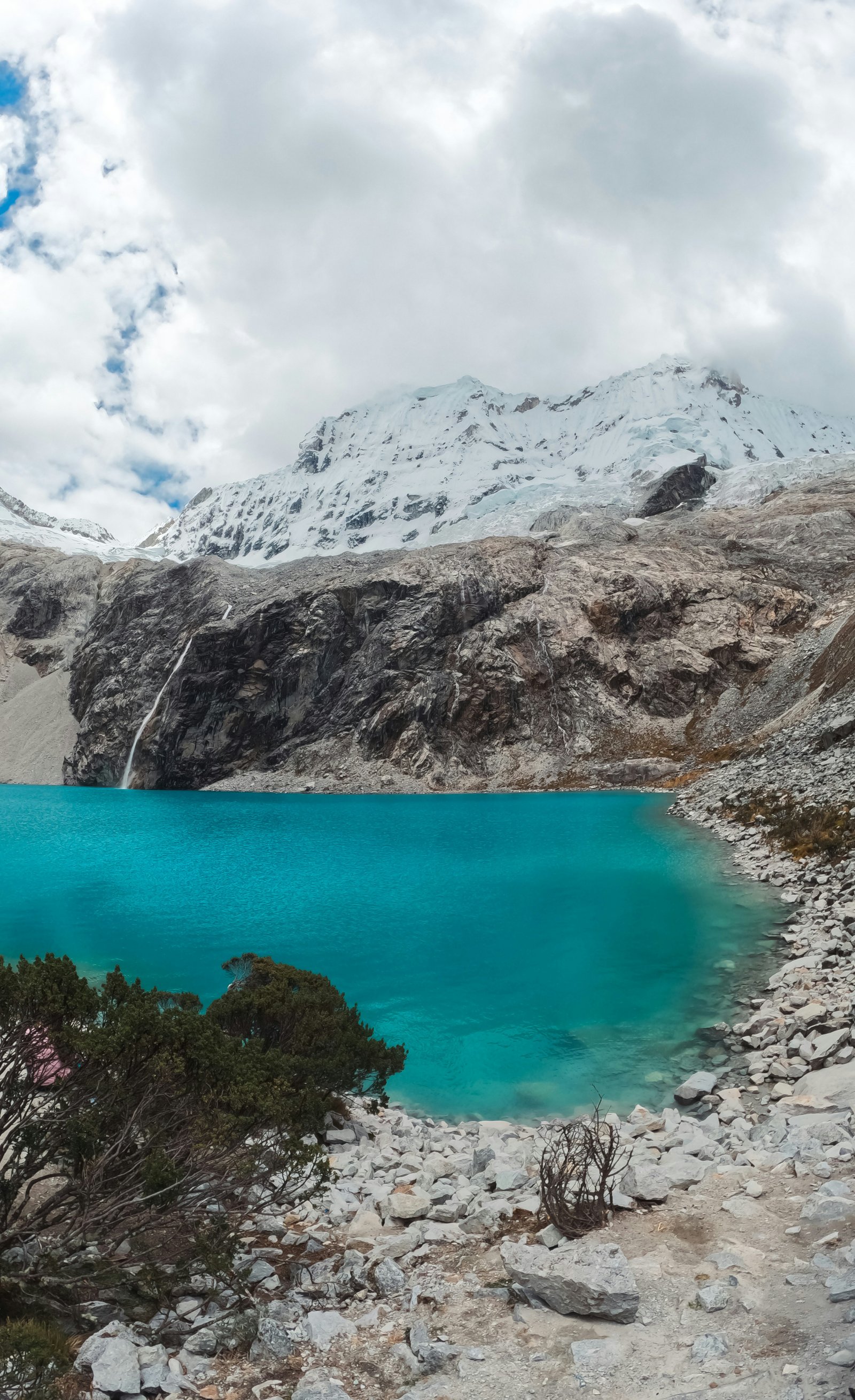
The lake itself is framed by the north face of Chacraraju (6,112m) and the glaciers of Chopicalqui (6,354m) draining directly into the water. The electric turquoise colour comes from glacial flour: fine mineral particles suspended in the meltwater that scatter blue light. At this altitude, the colour is most vivid between 10am and noon when the sun is directly above the basin.
Santa Cruz Trek (4 days)
The Santa Cruz Trek is the most popular multi-day route in the Cordillera Blanca. The 50km circuit runs from Cashapampa (2,900m) through the Santa Cruz valley to Punta Union pass (4,750m) and exits at Vaquería. The high point is Punta Union on day 2 or 3, a narrow saddle with views of Taulliraju (5,830m) and the entire northern Cordillera Blanca spread across the horizon.
Camp sites are at altitude throughout (3,600 to 4,200m). The valley floor section is one of the most scenic flat-ground walks in the Andes: a wide glacial valley with turquoise braided streams, granite walls, and hanging glaciers at every bend. The circuit can be done independently or with a mule driver (arriero) for pack support.
Laguna Churup (acclimatisation)
Laguna Churup is the standard acclimatisation hike from Huaraz, reaching 4,450m under the south face of Nevado Churup (5,495m). The trail starts from the village of Pitec (3,850m), 12km from Huaraz, and climbs steadily through queñoal woodland before finishing on a rock scramble to the lake shore.
The final 30 minutes involves hands-on-rock climbing with fixed ropes on the steeper sections. The lake is smaller than Laguna 69 and the surrounding peaks are lower, but it is the right first day hike from Huaraz: close to town, accessible, and gets you to 4,450m to assess how your body handles the altitude before committing to harder objectives.
Cordillera Blanca in Photos
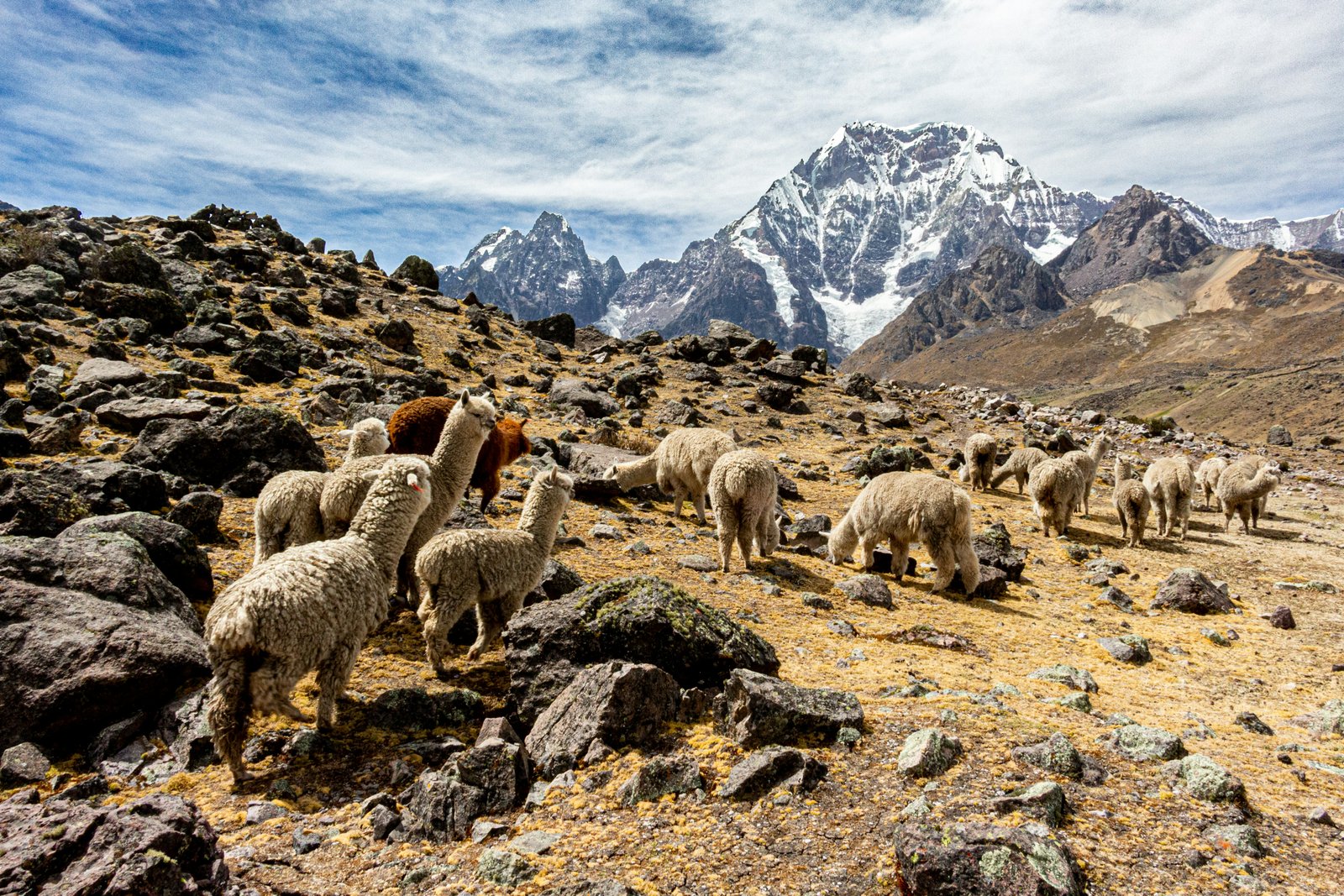
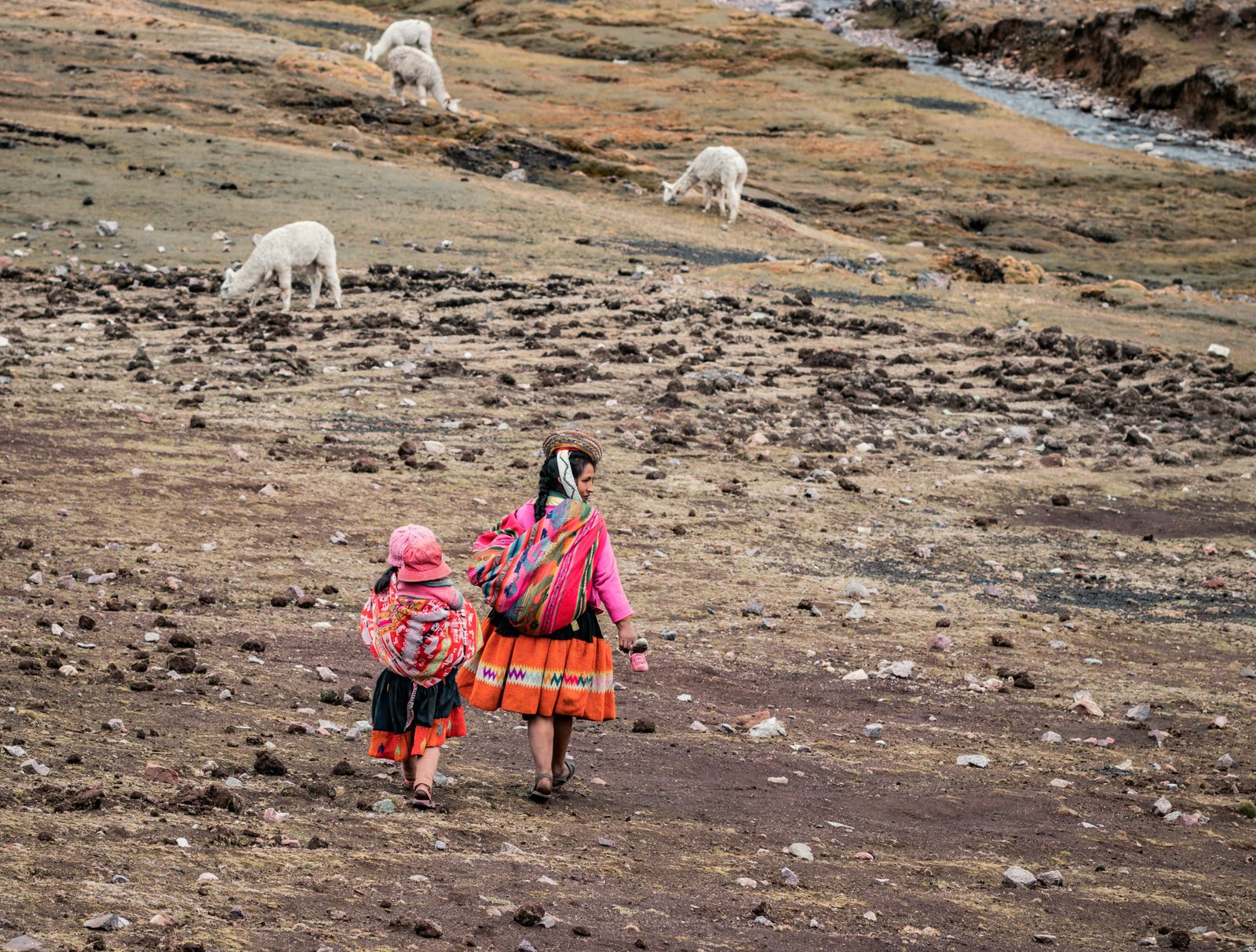
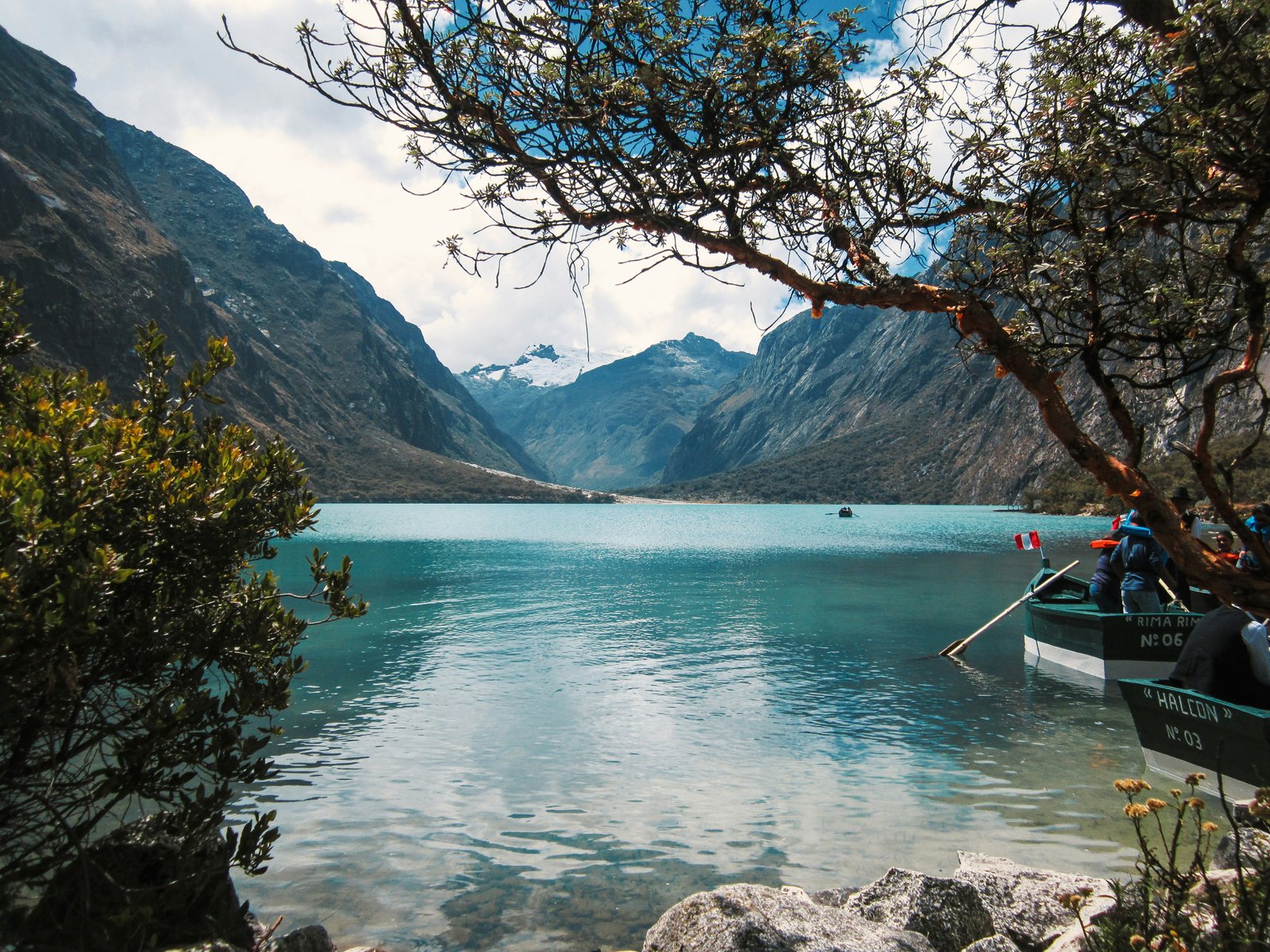
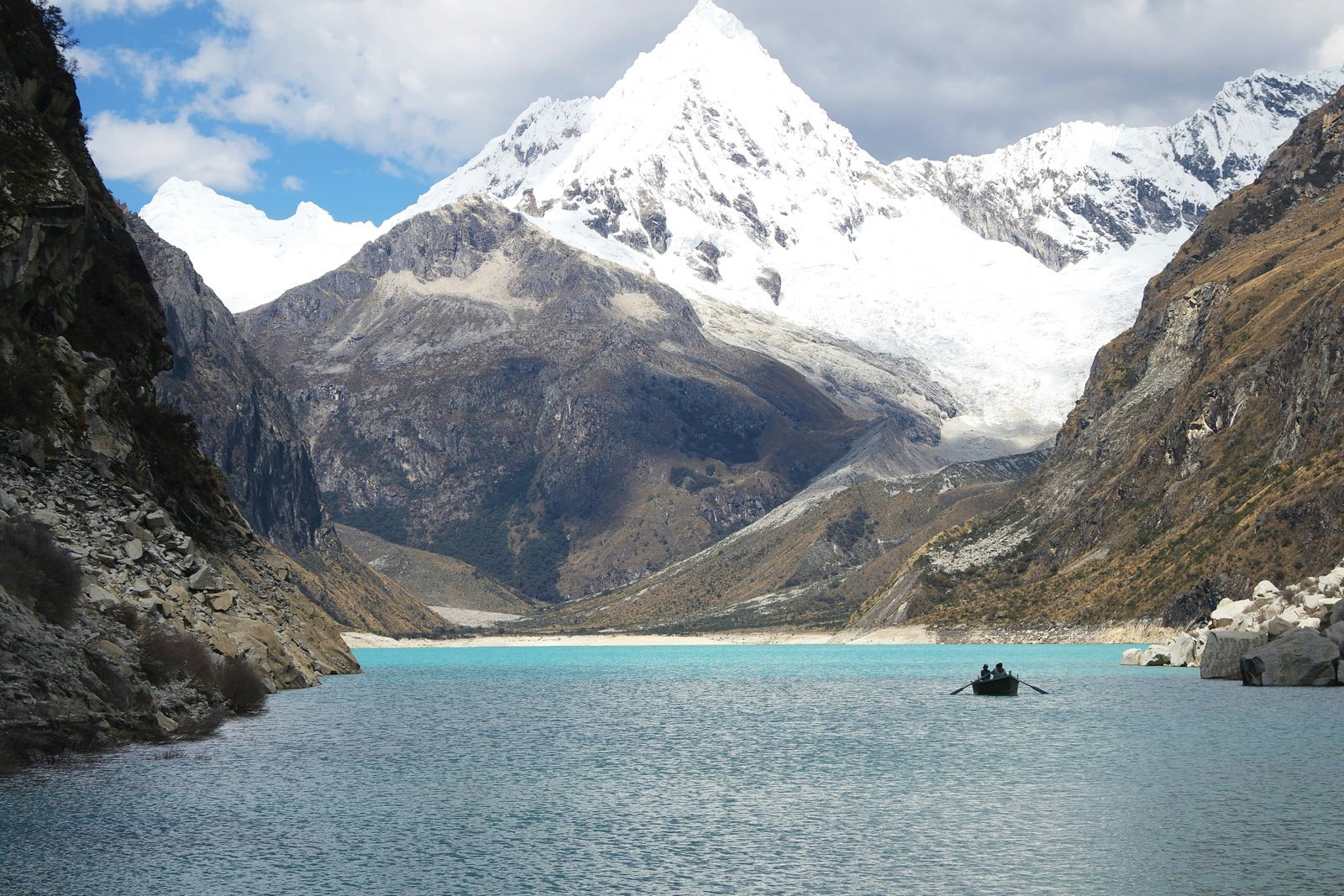
Laguna 69 at 4,604 metres, the salt terraces of Maras carved into the Sacred Valley hillside, and the glacial lakes of the Cordillera Blanca from a rowboat on Llanganuco.
Guided Experiences near Laguna 69
Laguna 69 is commonly done as a guided day tour from Huaraz. For those wanting more time in the Cordillera Blanca, multi-day treks like the Santa Cruz circuit offer deeper access to the glaciated range.
Guided Laguna 69 day tour
Full-day guided tour from Huaraz to Laguna 69 with transport, English-speaking guide, and lunch included. Includes acclimatization briefing. Departs 6am, returns early evening.
Book day tour →Santa Cruz 4-day trek
4-day classic loop through the Cordillera Blanca circuit, passing Laguna Artesonraju (the Paramount logo mountain), Punta Union Pass (4,750m), and Santa Cruz valley glacial lakes. Camping included.
Book Santa Cruz →Dual laguna combo day
Guided tour combining Laguna Churup (4,450m) in the morning with Laguna 69 the same day, for those wanting to maximize high-altitude lake views in a single 1-day excursion from Huaraz.
Book dual tour →Links go to GetYourGuide for real-time availability. Check dates and guide certifications before booking.
The Cordillera Blanca is the highest tropical mountain range in the world. Within 200km of Huaraz there are more than 30 peaks above 6,000m, including Huascarán (6,768m), the highest mountain in Peru and the fourth highest in South America. Laguna 69 sits at the foot of this range, fed by glaciers that are retreating visibly each decade. The lake is one of the most photographed places in Peru outside of Machu Picchu, and for good reason: but the altitude makes it genuinely demanding.
Altitude is the main challenge
The trailhead at Cebollapampa is already at 3,750m: higher than most people in Europe or North America will have ever been. The lake is at 4,604m. Acute Mountain Sickness (AMS) typically begins around 2,500m for susceptible individuals and becomes increasingly likely above 3,500m.
Symptoms range from headache and nausea to vomiting and disorientation. The standard prevention is spending 2 to 3 nights at Huaraz altitude (3,090m) before going higher. Ascent slowly, drink 3 to 4 litres of water per day, avoid alcohol in the first 48 hours, and descend immediately if symptoms worsen. Diamox (acetazolamide) can be prescribed by a doctor in Huaraz and is effective as a prophylactic.
Turquoise water at 4,604 m. The Cordillera Blanca reflected perfectly in a lake that shouldn't exist.
How to get there
There are no commercial flights to Huaraz. The standard approach is the overnight bus from Lima (Cruz del Sur or Movil Tours, 8 to 9 hours, $20–35 USD from Javier Prado terminals). Leave Lima at 10pm, arrive in Huaraz at 6am. Do not attempt Laguna 69 on the day of arrival.
Day tours and colectivos depart Huaraz at 6am for Cebollapampa (3,750m), the trailhead 85km from town (1.5-hour drive). Most guided day tours from Huaraz include transport, park entry fee, and a guide for $25–40 USD total.
Huascarán National Park entry costs ~$5 USD per person, paid at the gate. Most tour packages include it. Spend at least 2 nights in Huaraz at 3,090m before going to 4,604m at the lake.
When to go
May through August is the dry season and the only reliable window. June and July are peak months with clear skies almost guaranteed. The wet season (November through March) makes the trail dangerous: the final moraine section becomes slippery clay and the risk of rockfall from the glacier faces increases.
April and September are transition months with mixed conditions, occasionally very good but with a higher chance of afternoon rain.
Where to sleep
Hostel · Huaraz
The Lazy Dog Inn and Albergue Churup are trekker-focused hostels with gear storage and early breakfast for 6am departures. Dorms from $10, privates from $20.
Guesthouse · Huaraz
Hotel Colomba and Casa de Zarela are consistently well-reviewed mid-range stays with hot water, mountain views, and a proper breakfast. Good value for the acclimatization days.
Eco-lodge · above Huaraz
A handful of eco-lodges and boutique properties above 3,200m give panoramic Cordillera Blanca views and help with gradual acclimatization before heading to 4,604m.
Common Questions
No: the trail is well-marked and navigable independently. You need to pay the Huascarán National Park entrance fee ($5 USD) at the trailhead. Most visitors go on an organised day trip from Huaraz ($15 to $20 USD including transport and guide), which is the most convenient option if you do not have your own transport.
If you prefer to go independently, collectivos (shared minivans) run from Huaraz to Yungay most mornings, from where you can catch further transport to Cebollapampa.
The lake is at 4,604m. This is high enough that altitude is the defining factor in whether you enjoy the hike or struggle through it. People who acclimatise properly (2 to 3 nights at Huaraz altitude before going higher) typically have a good experience.
People who arrive from Lima and attempt the hike on day 2 regularly turn back with headaches and nausea at 4,200m. There is no shortcut. Acclimatise, hydrate, move slowly, and the hike is straightforward. Rush the acclimatisation and it will likely ruin the day.
Yes. The standard itinerary is: fly into Lima, overnight bus to Huaraz (2 to 3 nights), bus back to Lima, fly or bus to Cusco (2 to 3 nights acclimatising), then Inca Trail or alternative. The two regions are in different parts of Peru and there is no direct transport between Huaraz and Cusco: Lima is the transit point between them. Allow at least 10 to 12 days to do both properly.
Different, not better. Laguna 69 is a single spectacular destination reached in a day. The Santa Cruz Trek is four days in the mountains with consistently dramatic scenery throughout.
If you have 4 extra days in Huaraz, do the Santa Cruz. If you have 1 day, do Laguna 69. The two hikes are in the same general area and run from a similar base, so it is not an either-or choice: they work well together in a longer Cordillera Blanca itinerary.
Huaraz is a small Andean city of around 120,000 people at 3,090m in the Callejón de Huaylas valley. It is well set up for trekkers: gear rental, guide services, good hostels (Lazy Dog Inn and Churup are consistently rated highly), and a street food and restaurant scene.
The city itself is not particularly beautiful: it was largely destroyed by an earthquake in 1970: but it is functional and cheap. Budget around $10 to $15 USD per night for accommodation and $5 to $8 per meal. Everything you need for the Cordillera Blanca is available in town.