Torres del Paine Trails
The W Trek as a 5-day route or broken into day hikes, plus the full circuit and the must-do Mirador Las Torres day walk.
Mirador Las Torres
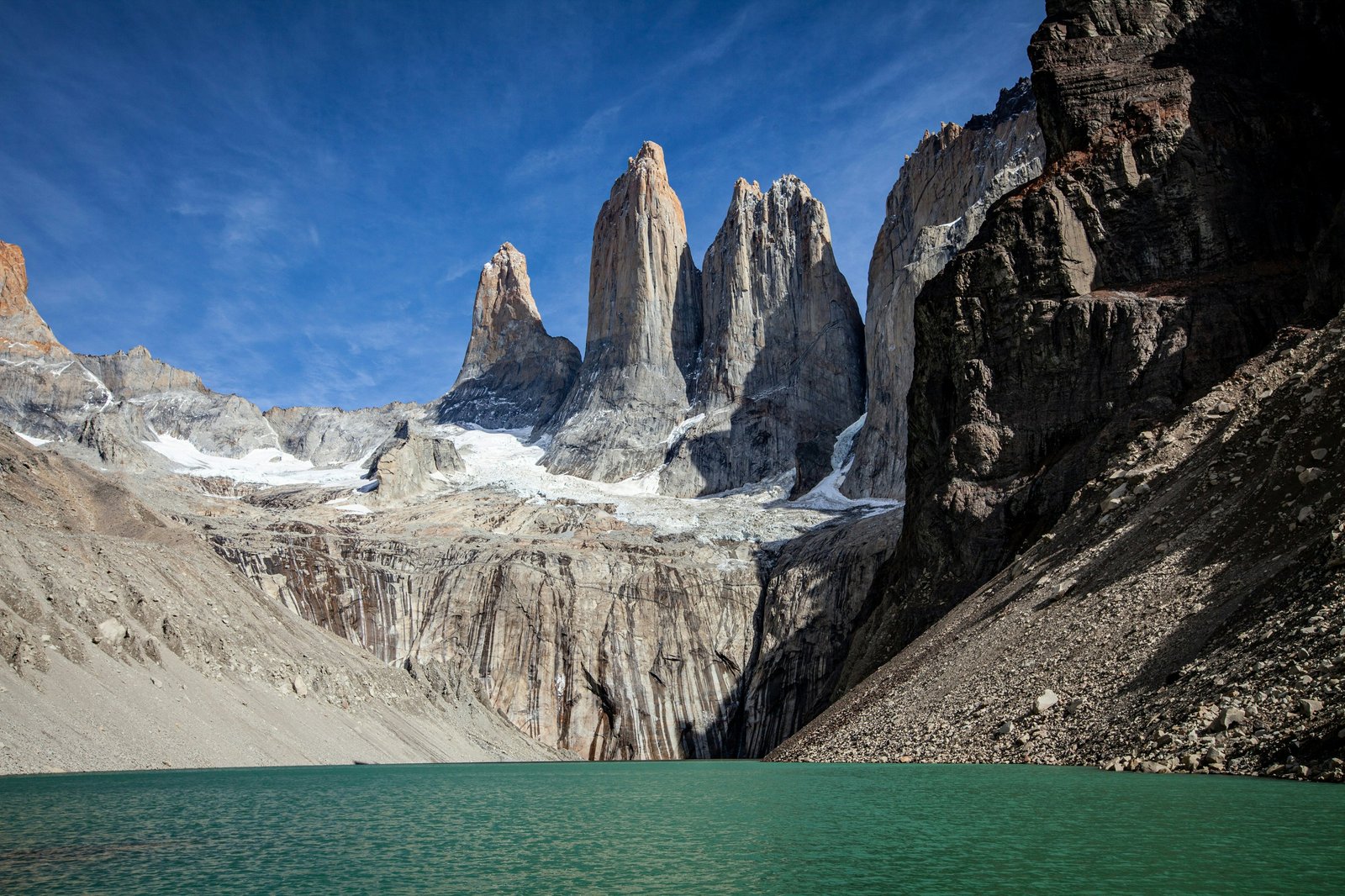
The hike to Mirador Las Torres is the signature walk of Torres del Paine. From Hotel Las Torres, the trail climbs through lenga beech forest, crosses the exposed Ascencio Valley, and finishes on a terminal moraine of boulders leading to the lake at the base of the three towers.
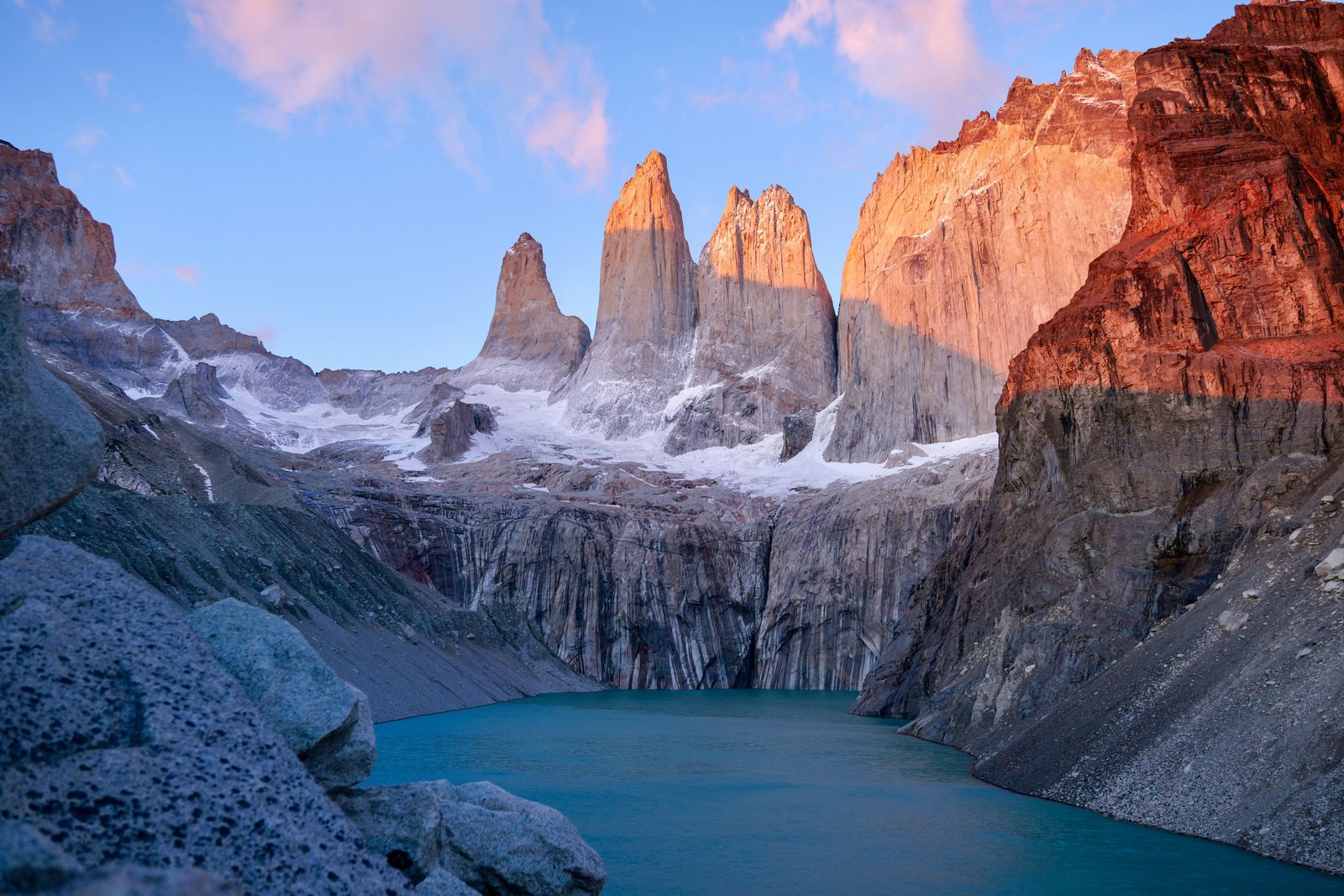
The granite pillars, named Torres Norte (2,600m), Torre Central (2,850m), and Torre Sur (2,500m), rise vertically from the water. In the 90 minutes around sunrise and sunset, the towers turn gold to red in direct light; at all other times they are grey granite in shade. The final boulder field to the lake requires 30 minutes of scrambling with hands involved.
W Trek (5 days)
The W Trek follows the three arms of the W shape from east (Las Torres) to west (Valle Frances and Grey Glacier). Day 1: Las Torres to Refugio Chileno and back, or push through to Cuernos. Day 2: Cuernos to Valle del Frances.
Day 3: Valle del Frances (day walk in and back), continuing to Paine Grande. Day 4: Paine Grande to Grey Glacier lookout and back. Day 5: Exit via catamaran across Lago Pehoé or walk back east. All campsites and refugios require advance booking, which fills months ahead for peak season (November to March). Solo walkers should book 6 months out.
Valle del Frances
Valle del Frances is the central arm of the W and the most dramatic valley in the park. The walk up from Campamento Italiano follows the Frances River through lenga beech to a wide glacial valley ringed by the towers of Los Cuernos, the hanging glacier of Glaciar Frances, and the jagged summit of La Hoja.
Blocks of ice calve from the glacier and fall several hundred metres into the valley with a sound like distant thunder. Mirador Britanico at the valley head is a 3 to 4 hour return from Italiano and gives the full panorama of the park from a single high point.
Grey Glacier Lookout
The walk from Paine Grande to the Grey Glacier lookout (known as Mirador Glaciar Grey) follows the western shore of Lago Grey, where icebergs calved from the glacier ground on the lake bottom and drift slowly south. The glacier front is 4km wide and 30m tall at its terminus; on calm days the blue ice reflects in the lake.
A short boat trip from Refugio Grey gets you onto the glacier itself (additional cost, advance booking required). Even without the glacier walk, the combination of the icebergs, the jade lake colour, and the ice wall in the distance is one of the park's most distinct scenes.
Full Circuit (O Trek)
The full circuit adds the back side of the park to the W, crossing the exposed high-wind terrain of the John Gardner Pass (1,241m) with direct views over the Southern Patagonian Ice Field. The pass section involves steep snow and scree and is only safely passable from late November through March; it closes earlier some years.
The back side of the park has no infrastructure; camp-only for 3 days with full kit. The reward is near-total solitude on the back circuit and the view from the Gardner Pass looking west over the ice field is like nothing else on the standard trekking circuit.
Torres del Paine in Photos
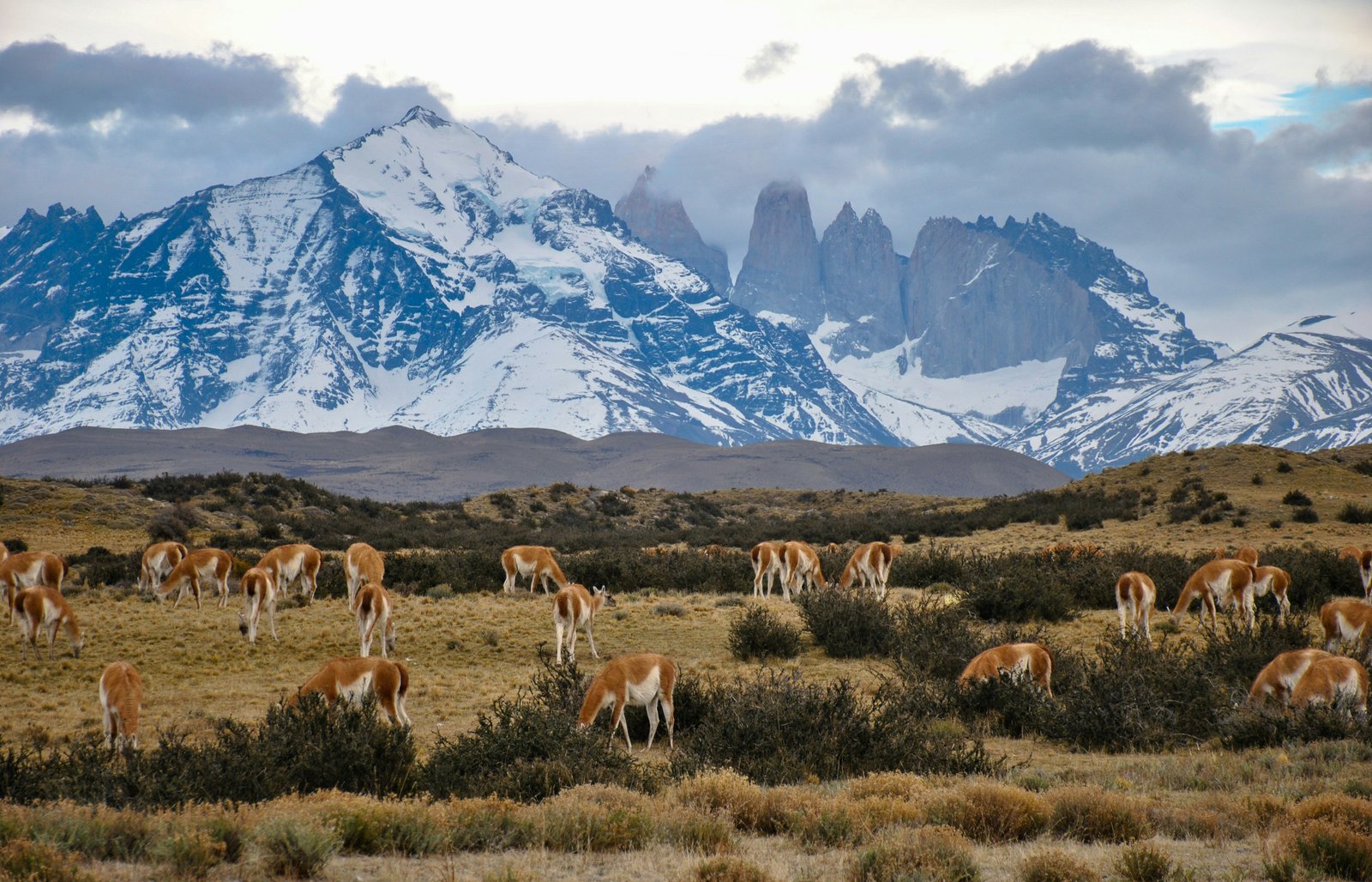
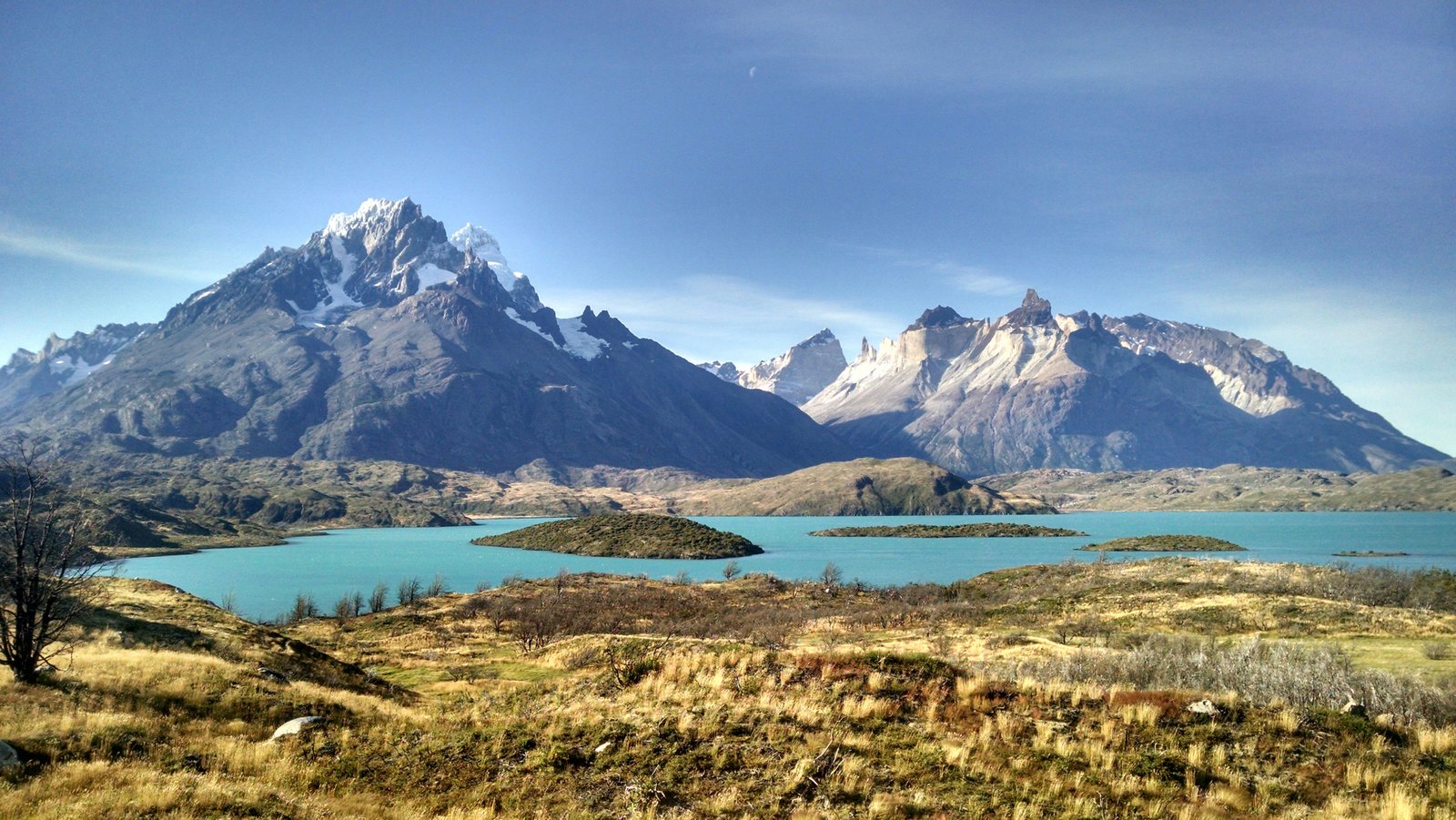
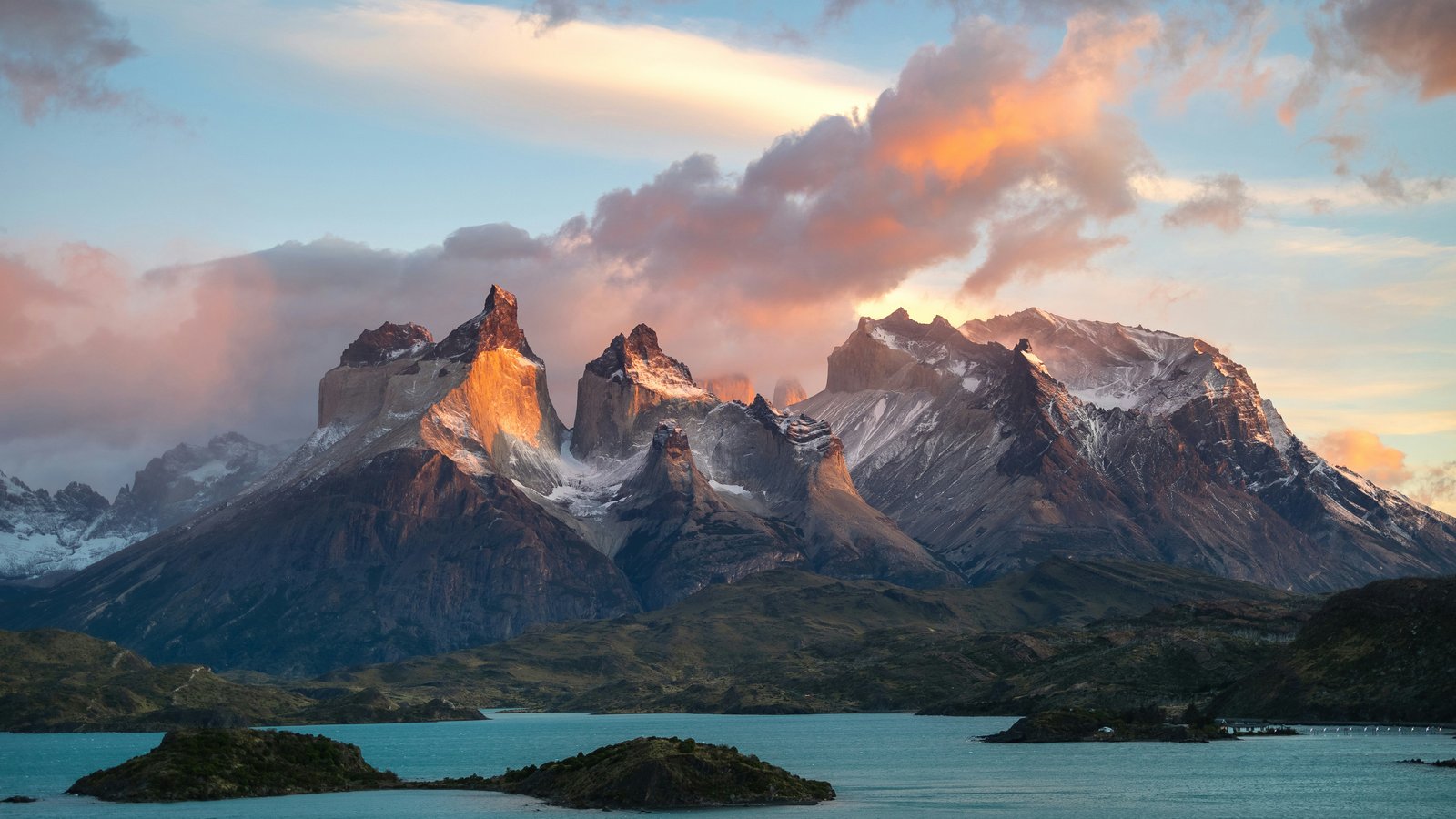
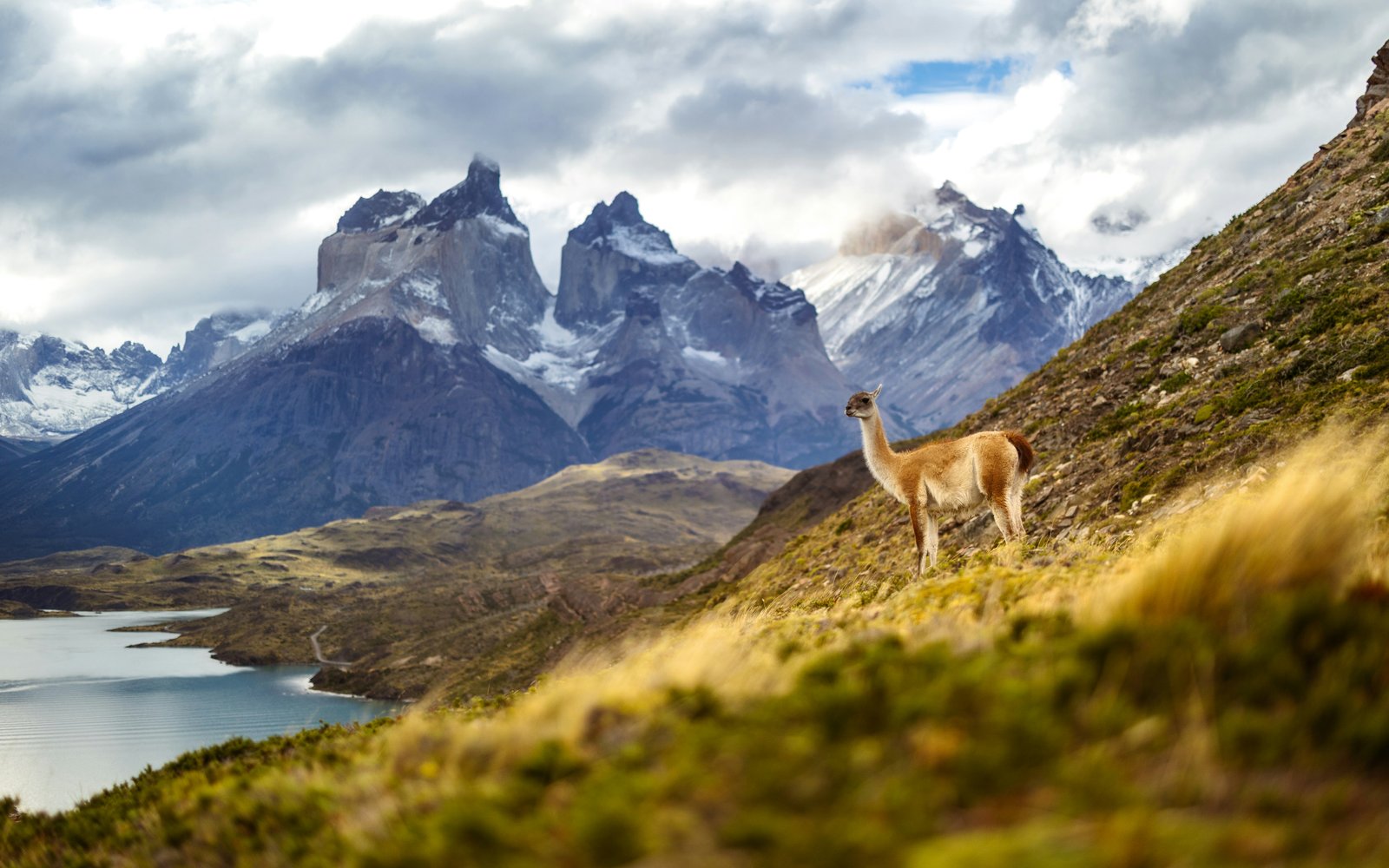
Las Torres at first light from the mirador lake, guanacos on the open steppe, and the Cuernos del Paine turning gold above Lago Pehoé at last light.
Guided Experiences in Torres del Paine
Most trekkers do the W Trek independently, but guided logistics packages, Grey Glacier ice trekking, and private day-hike guiding are all available through local operators.
Guided W Trek logistics
Full-service W Trek with private guide, camp transfers, meal service and refugio bookings handled. Groups of 4–8. Ideal if you want expert trail knowledge without the booking logistics.
Browse guided W treks →Grey Glacier ice trekking
Half-day crampons-on experience on the Grey Glacier. Boat transfer from Refugio Grey included. No prior ice experience required: guides provide full instruction on-glacier.
Book ice trekking →Las Torres guided day hike
Private or small-group guided hike to Mirador Las Torres with a certified guide. Return transfer from Puerto Natales included. Ideal for first-time visitors wanting trail context and safety.
Book day hike →Links go to GetYourGuide for real-time availability. Check dates and guide certifications before booking.
Torres del Paine is not a difficult place to underestimate. The photos flatter it. The reality is that the wind changes everything: what looks like a 6-hour day on a map becomes a 9-hour slog into a 100km/h headwind, and the granite towers you have been walking toward all morning disappear inside cloud for the next two days. The park rewards patience and punishes fixed plans.
The Wind
Where it hits hardest: Lake shores, top of the Francia valley, and the Ascencio valley. Sustained gusts reach 100-140km/h on exposed sections. These are not anomalies: they are routine.
The wind doesn't announce itself. One moment you're upright. Then you're not.
Start early: Plan all exposed sections for the morning. Afternoon wind is consistently strongest across the park. A section that is manageable at 8am can be dangerous by 2pm.
In a sustained gust: Stop, crouch, and brace. Do not try to push through headlong into a sustained gust with a full pack.
Two poles, not one: The standard for W Trek walkers. On lake-shore sections with full pack and lateral gusts, two poles are the difference between upright and horizontal.
Booking your trip
Book 6 months ahead: For mid-season (December to February) all campsites and refugios fill fast. The system opens in July-August for the following season: set a reminder.
Shoulder season (Oct, Nov, Mar, Apr): Book 3 months out. Better weather odds in March and April, fewer people, lower prices.
Free CONAF campsites: An alternative to private refugios. Require separate CONAF registration and fill independently of the paid system. No meals or hot showers.
When to go
October and March are the best months: shoulder season with fewer people, lower accommodation costs, and often calmer weather. November to February is peak season with the highest crowding, strongest winds (especially January and February), and fully booked refugios.
The park is closed or largely inaccessible from May through September. October has the most wildflowers; March has the most golden autumn colour in the lenga beech forest.
How to get there
Fly into Punta Arenas (PUQ) from Santiago: 3.5 hours, multiple daily flights via LATAM and Sky Airline. Alternatively, fly into El Calafate (FTE) in Argentina and cross the border at Río Turbio (4h total drive to Puerto Natales).
Daily bus service, 3 hours, ~8,000 CLP ($8–10 USD). Multiple operators depart from the Punta Arenas bus terminal. Puerto Natales is the base town for the park: book accommodation here if not staying inside the park.
Daily shuttle buses from Puerto Natales to the main entrance (1.5h, ~$10–15 USD one-way). Bus Sur, Gomez, and others depart early morning. The Pudeto catamaran crosses Lago Pehoé to reach the W Trek interior: one morning departure only, seasonal (Nov–Apr).
Permits and fees
~35,000 CLP (~$35–40 USD) per person for foreigners. Pay online via CONAF before arriving or at the entrance gate. Required for all visitors regardless of accommodation type.
Booking is mandatory for all campsites and refugios on the W. Reserve via Fantástico Sur (Las Torres side) and Vertice Patagonia (Grey side). System opens June–July for the following Oct–Apr season. Peak December–January slots fill within days of opening.
Paine Grande (Pudeto), Italiano, and Paso are CONAF-managed and free, first-come basis, no advance booking. Basic facilities only. Register at the entrance or online at conaf.cl. Useful if private sites are full.
Where to sleep
Hostel · Puerto Natales
The base town has a strong hostel scene catering to trekkers: gear-drying rooms, luggage storage, and staff who book park transfers and trail permits. Dorms from $15, privates from $30.
Hotel · Puerto Natales
Comfortable hotels with organized transfers to the park, hot meals, and good common areas. Some have views of Seno Última Esperanza.
Lodge · inside the park
EcoCamp Patagonia and Las Torres Patagonia put you inside the park with no daily commute. Full-board, guided excursions included. Limited availability: book 6–12 months ahead.
Common Questions
For December and January (peak), 6 months is the minimum and still does not guarantee your first-choice dates. The private refugios (Fantastico Sur handles the eastern sections; Vertice Patagonia handles the western sections) open their booking systems in July or August for the following season.
For October, November, March (shoulder season), 3 to 4 months in advance is usually sufficient. CONAF-managed free campsites require separate registration through the CONAF website but tend to have more availability.
Technically yes, with an extremely early start. Buses from Puerto Natales to Hotel Las Torres leave around 7am (the trip takes 2.5 hours); you arrive at 9:30am and lose the sunrise.
A better alternative is to stay inside the park at Hotel Las Torres or Refugio Chileno the night before, start at 5am, and reach the mirador by 9am before cloud typically builds. The bus back from the park leaves at 6pm; you need to be at the bus stop by that time regardless of trail progress.
On a clear morning, the first light hits the east face of the towers about 45 minutes after sunrise. The granite goes from dark grey to pale gold to orange-red over about 20 minutes, with the colour being most intense in the final 5 to 10 minutes before the sun lifts above the ridgeline and flattens the light.
It requires two things to work: a clear sky at the mirador (happens perhaps 40% of mornings in peak season) and arriving before dawn. The majority of visitors who arrive after 9am see the towers in flat grey light or cloud. The experience of walking out onto the terminal moraine in the dark and waiting for light is part of what makes it work.
Yes. The full circuit adds 50km to the W and crosses the John Gardner Pass at 1,241m, which involves steep snow climbing in early season and loose wet scree in late season. The back-side campsites have no facilities (no hot food, no showers, basic water).
You carry 3 days of food and camping gear for the back section. The weather on the back side is more exposed and the terrain is harder. However, the reward is the view from the Gardner Pass over the Southern Patagonian Ice Field, and the near-total absence of other people on the back side.
Puerto Natales is a small Patagonian port town of around 20,000 people, 110km south of the park. It has everything you need for the trek: gear rental, food supply shops, hostels (Alto Extremo, Erratic Rock), guesthouses, and several good restaurants.
The town is the logistics base for most W Trek walkers, and gear shops are clustered around the main square. Arriving 2 days before your trek start is sensible to sort gear, repack food, and check equipment. The bus to the park entrance takes 2.5 hours and runs twice daily in season.