Trails in El Chaltén
Every trail starts directly from the edge of town. No shuttles, no fees, no reservations. Filter by difficulty or browse all.
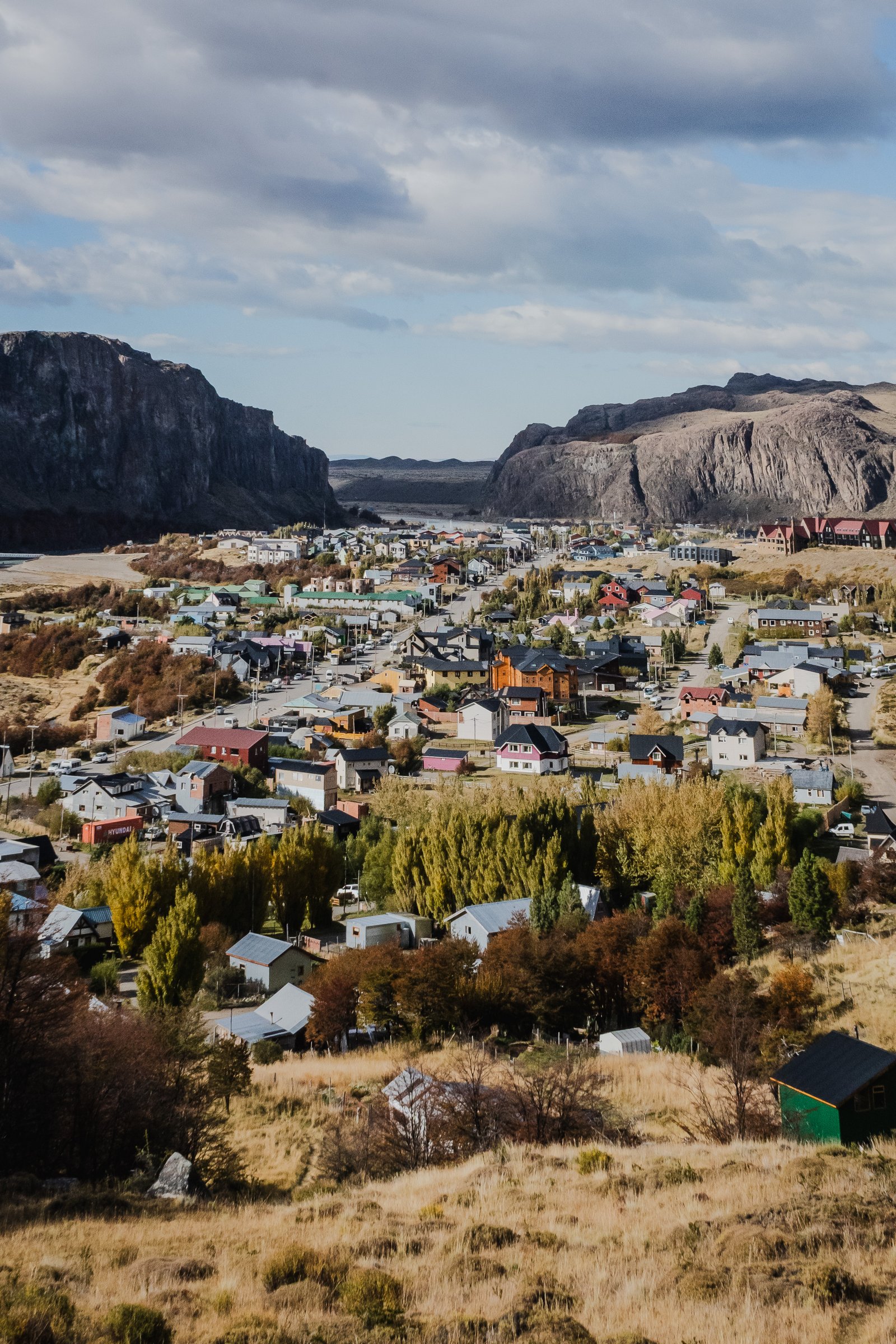
Mirador de los Cóndores
A hilltop above town with a full panorama of the Fitz Roy range and the valley below. Best at sunrise, when almost nobody else is up there. The classic warm-up for the rest of your trip.
Laguna Capri
A small glacial lake tucked into the forest below Fitz Roy's north face. Far fewer people than the main routes and a quieter, more intimate view of the towers. Can be combined with the first section of the Laguna de los Tres trail.
Laguna Torre
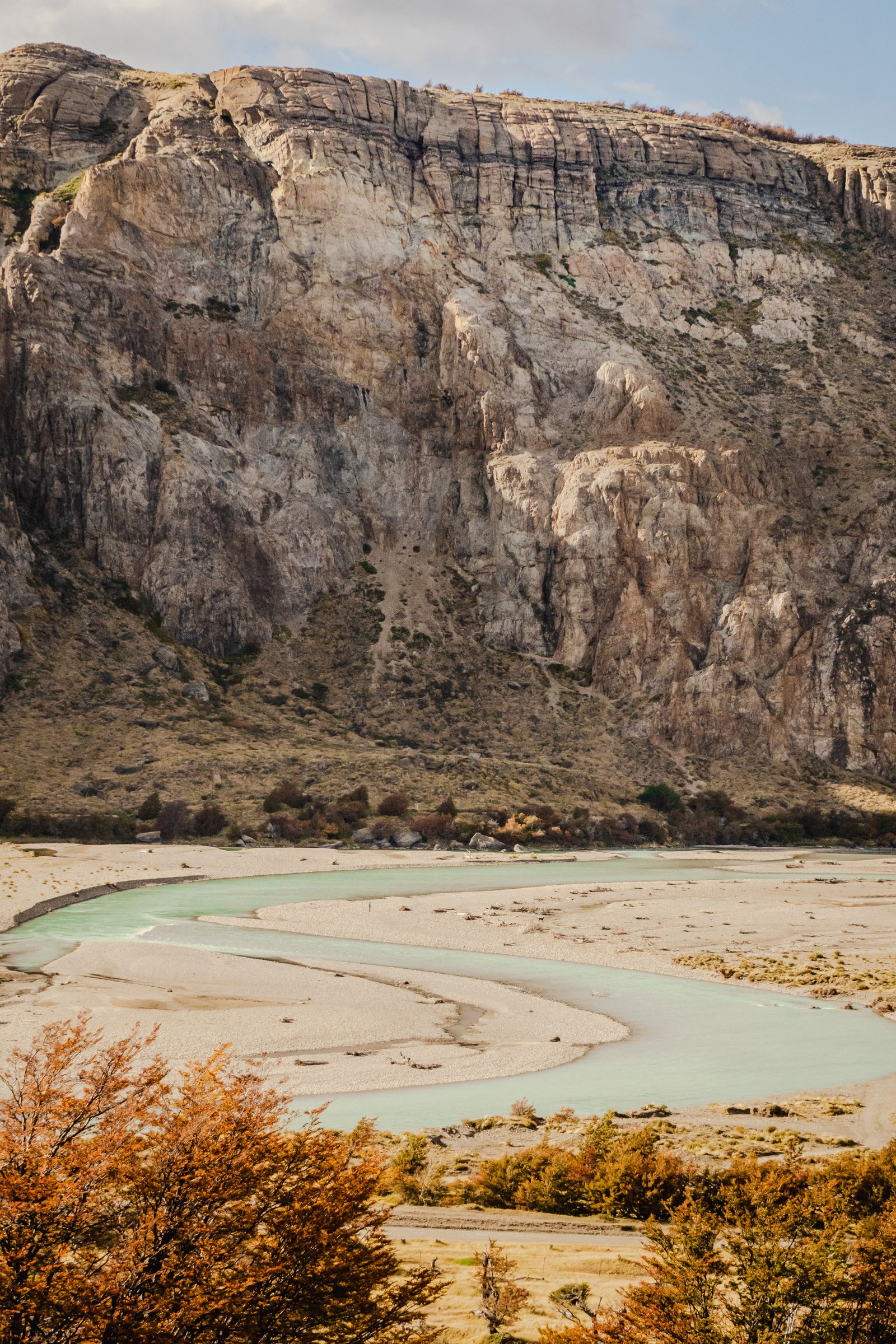
Cerro Torre from below. Arguably the most technically difficult mountain in the world rising sheer above a lake that echoes with calving ice. The valley forest along the Río Fitz Roy is the most beautiful walking in the area.
Loma del Pliegue Tumbado
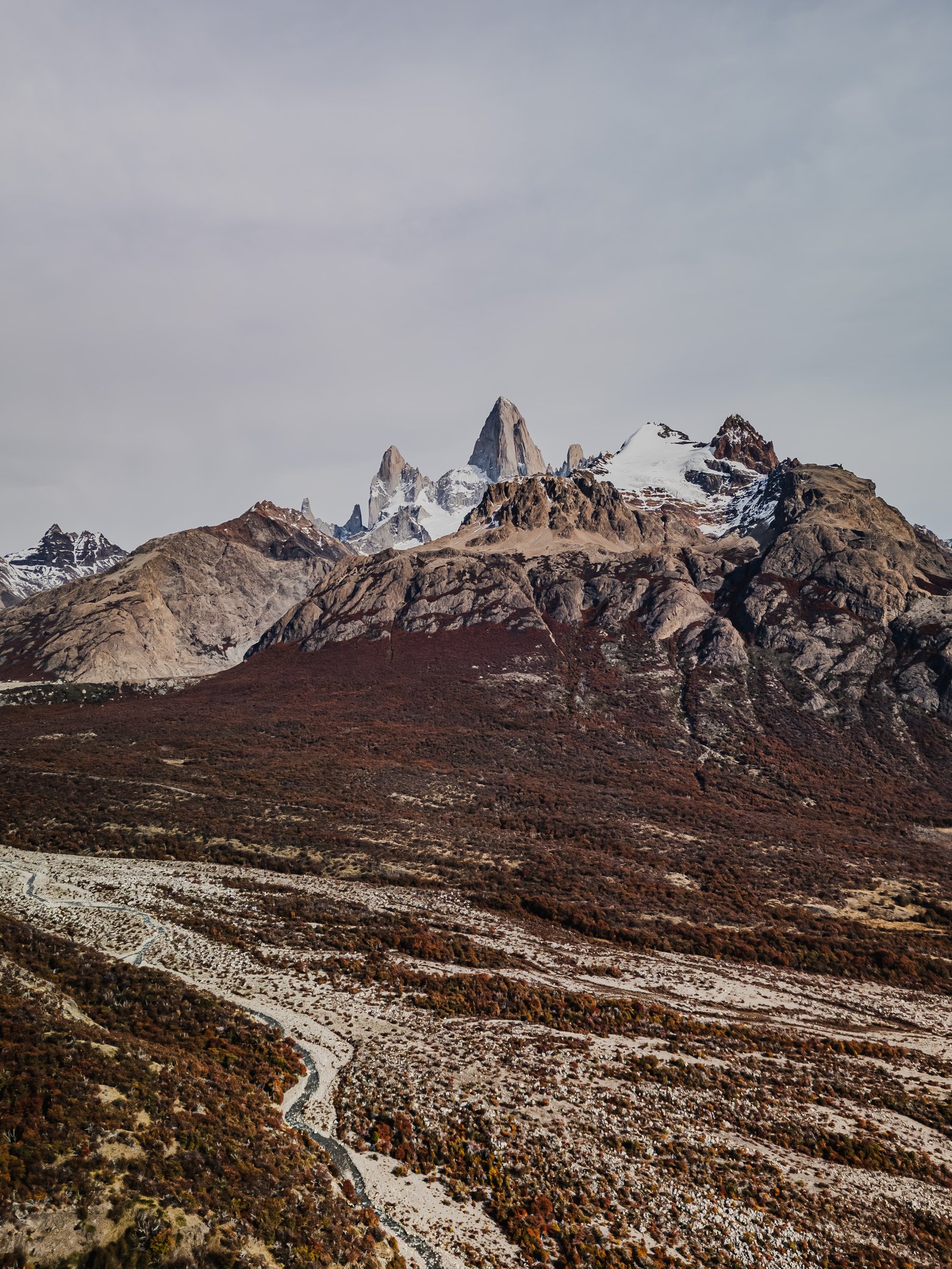
The viewpoint most trekkers skip, and the most complete panorama in the area. From the summit ridge you see both Fitz Roy to the north and Cerro Torre to the west at the same time. Very exposed and windy at the top.
Laguna de los Tres
The summit of El Chaltén. A turquoise glacial lake sitting directly below the three granite towers of Fitz Roy. The final climb up loose moraine is brutal. Start before 6am. The mountain disappears behind cloud by mid-morning on most days.
Huemul Circuit
Four days through the most remote terrain around El Chaltén. River crossings, hand-rope sections on glacier moraines and the Huemul Pass at 1,350m. Zero infrastructure. For experienced trekkers with navigation skills only.
El Chaltén in Photos
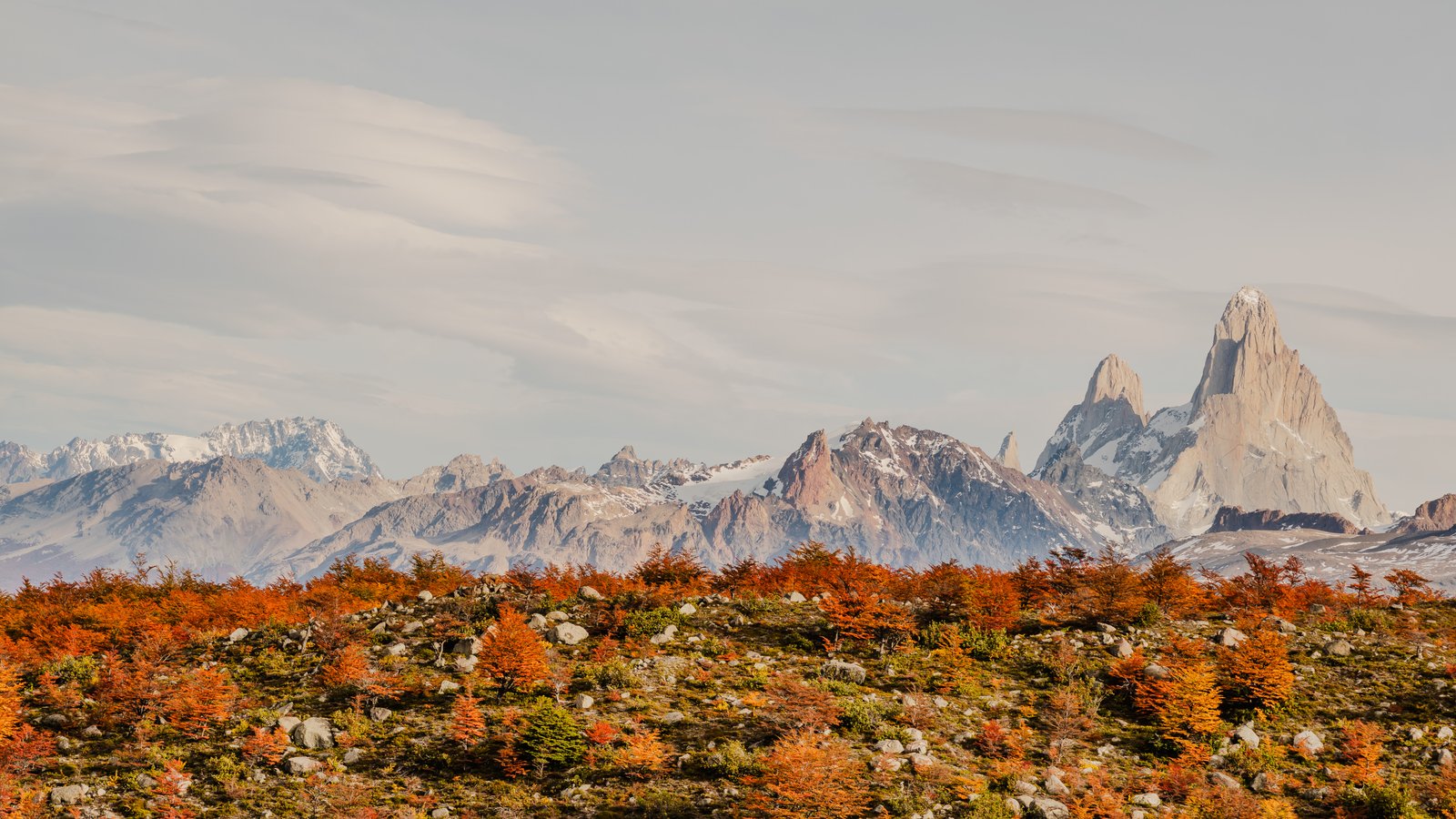
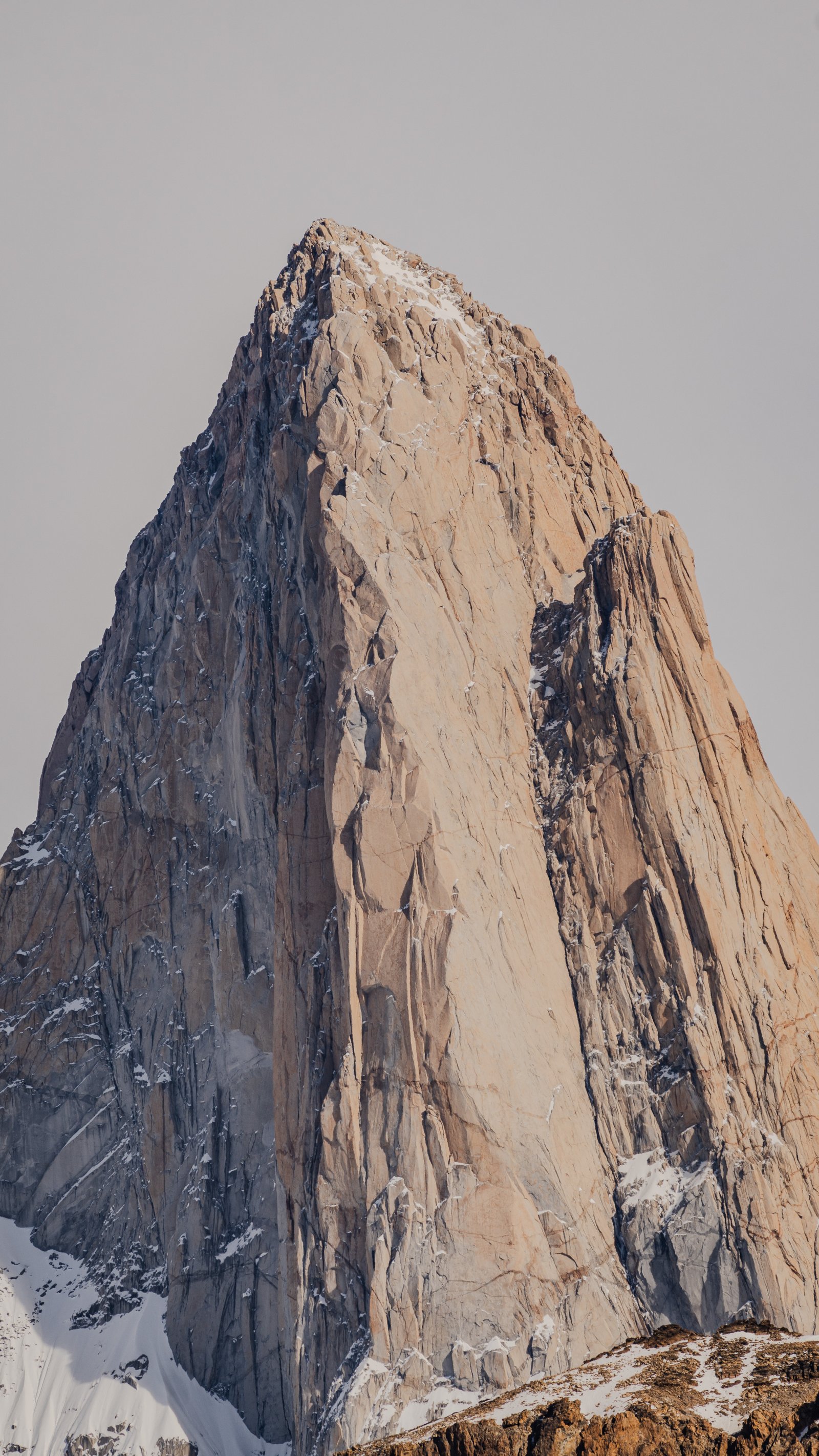
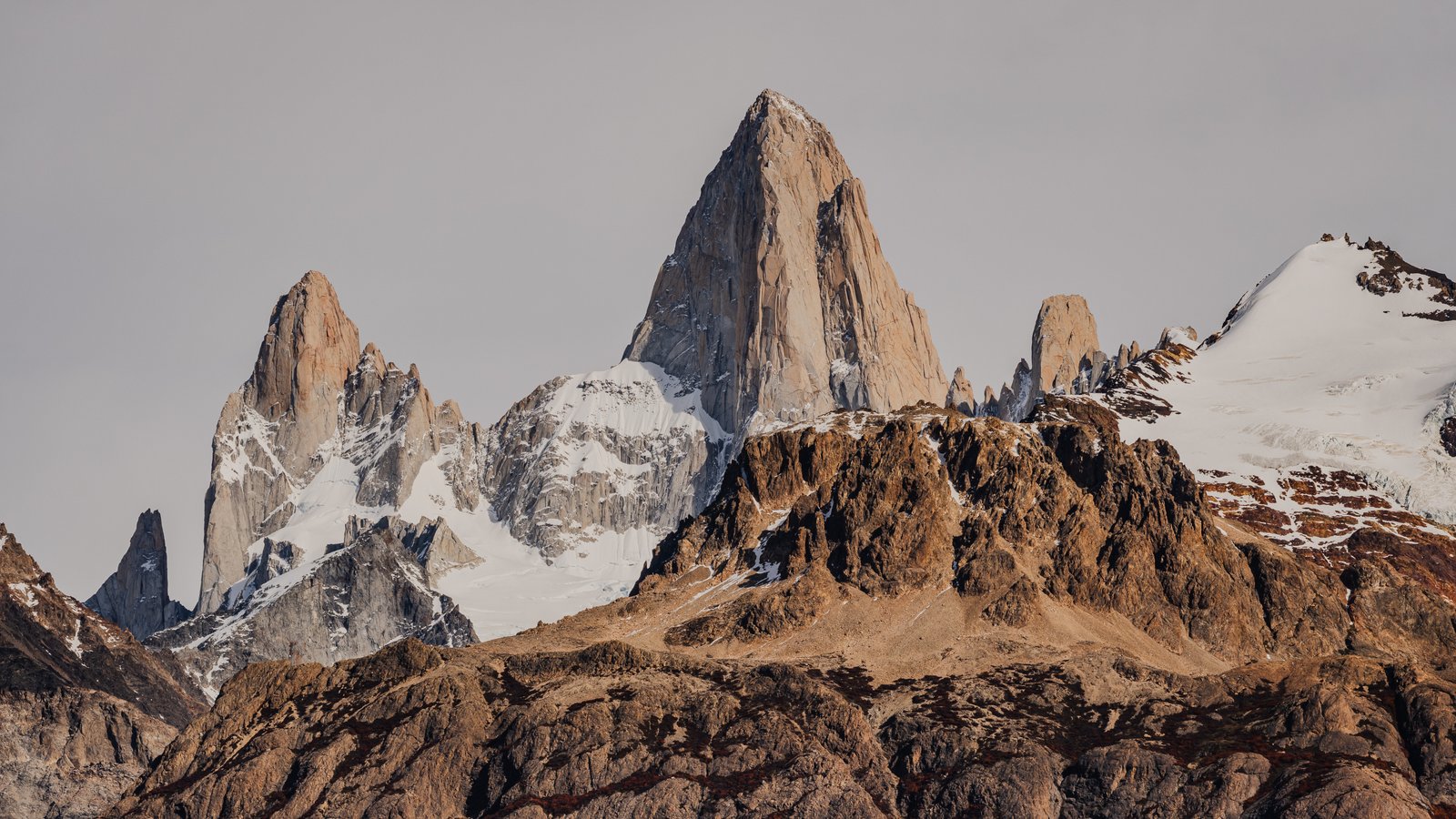
Fitz Roy from the trail to Laguna de los Tres. The lenga was in full autumn colour and the summit was clear for about twenty minutes.
Climbing Fitz Roy
Fitz Roy (3,405 m) is one of the most technically demanding granite walls on the planet. This is not a trek: it requires advanced rock and ice skills, full expedition logistics, and a weather window that may not come for days. Most climbers spend 10–21 days in El Chaltén waiting for the right conditions.
Guided summit expedition
7–14 day guided expeditions with certified IFMGA mountain guides. Includes acclimatization, gear, technical instruction on the approach ridges and the summit push via the Franco-Argentine route. Groups of 2–4 climbers.
Browse expeditions →Ice trekking & glacier skills
Day courses on Viedma Glacier from El Calafate, or multi-day crampons and rope technique courses run by local guides in El Chaltén. Ideal first step before attempting any technical ascent in the area.
Book ice trekking →Trekking to base camp
Guided 2-day trek to Piedra del Fraile and Fitz Roy base camp. Closer than Laguna de los Tres, less crowded, and used as a staging area by climbing teams. No technical skills needed: just strong legs and good weather.
See guided treks →Links go to GetYourGuide for real-time availability and booking. Operators vary by season: check dates and guide certifications before booking.
El Chaltén sits at the end of the road. A town born in 1985 to assert Argentine sovereignty, now the trekking capital of Patagonia. You don't fly here. You drive four hours from El Calafate on a road that slowly reveals one of the most dramatic mountain silhouettes on Earth: Fitz Roy.
The Town
El Chaltén has roughly 2,000 permanent residents and no traffic lights. Every second building is a hostel or gear shop. The trails start directly from the edge of town.
No shuttle, no entrance fee, no reservation needed. You walk out the door and you're already on the trail. The national park ranger station at the entrance to town gives free maps and daily weather briefings, which are worth attending. Patagonian conditions change fast.
The town has improved dramatically in recent years. There are now proper restaurants, a craft brewery (Cervecería El Chaltén), good coffee and an outdoor gear shop that can replace almost anything you've lost or broken. Don't underestimate the wind. In summer it can hit 100 km/h on exposed ridges.
Laguna de los Tres: the main event
Twenty kilometers round trip, roughly 1,200 meters of elevation gain, and at the top, if the clouds clear, a turquoise glacial lake sitting directly below the three granite towers of Fitz Roy. The route follows the Río Blanco valley through lenga beech and ñire forest before the final brutal push up loose moraine to the ridge. Start before 6am. Clouds roll in most afternoons and Fitz Roy disappears. The window is narrow.
The view from the top is one of the most dramatic mountain panoramas in South America. Fitz Roy, Poincenot, Saint-Exupéry and the Cerro Torre massif all visible from a single point. In still conditions the lake reflects the entire range.
Laguna Torre
The other classic. Eighteen kilometers return, more moderate gain, with a different reward: Cerro Torre, arguably the most technically difficult mountain in the world. Sheer granite rising 3,100 meters from the valley floor, usually wreathed in the mushroom cloud of ice that forms on its summit. The trail follows the Río Fitz Roy through forest before opening into the broad glacial valley.
At the lake, Glaciar Grande calves constantly. You hear it before you see it.Beyond the main routes
Less-traveled trails
Loma del Pliegue Tumbado The ridge hike that most trekkers skip. A 16 km round trip to a high viewpoint overlooking both the Fitz Roy massif to the north and Cerro Torre to the west simultaneously. Exposed and windy at the top, but the panorama is broader than either laguna.
Río Eléctrico A valley walk north of town leading to the base of the Marconi pass. The forest here is older and denser than the main routes. Almost nobody goes this direction.
Laguna Toro A multi-day route south of town into the Viedma glacier area. Requires camping permits and navigation skills. Not a route to take lightly.
Photography in El Chaltén
Mirador de los Condores 45 minutes from town, best at sunrise when mist sits in the valley and the towers pick up the first orange light. Almost no one here at 5:30am.
The lenga beech forest In April the lenga turns from green to orange to deep red. The combination of autumn color and snow on the peaks is extraordinary along the Laguna Torre trail.
Laguna Torre at dusk The lake reflects Cerro Torre on still evenings. Get there by 5pm and wait. The light on the south face of the tower in late afternoon is the best light of the day.
When to go
February, March and April are the best months. Fewer crowds than peak summer, more stable weather windows, and in April the lenga forest turns. The downside in April is shorter daylight hours. November and December are busier and windier but reliable enough. The rest of the year the village largely closes.
Pack for PatagoniaWhat to carry
Minimum 2 liters. No refill points on the main trails.
Trail mix, dried fruit, something salty. Routes take 8-9 hours with no services.
One shirt sealed in a zip bag. Wet fabric at the summit in 80 km/h wind is dangerous.
Non-negotiable even in summer. Patagonian rain arrives sideways with no warning.
Clouds build all morning. Fitz Roy disappears by mid-morning on most days.
Poles are essential on the loose moraine. Sun reflects hard off snow above treeline.
Where to sleep
Hostel · El Chaltén
The village has 30+ hostel options all within walking distance of the trailheads. Dorms from $18, privates from $30. Book 2–3 months ahead for November–February.
Hotel / lodge · El Chaltén
Comfortable rooms, warm meals, and views of Fitz Roy from certain properties. A warm base makes waiting out bad-weather days much easier.
Estancia / lodge · El Calafate area
Awasi Patagonia and other estancias near El Calafate offer an exclusive base with private transfers to El Chaltén included.
Common Questions
No reservations needed for any of the main day hikes. Trails in El Chaltén are free and open to everyone. Just show up, pick up a map at the ranger station on arrival, and go. The ranger station also gives a short daily weather briefing worth attending before heading out on a long hike.
The exception is camping inside the park, which requires a free permit from the ranger station. Multi-day circuits like the Huemul require you to register your planned route before departure.
The trails themselves are free. Main costs to plan for:
- Bus from El Calafate: ~$25–35 USD each way
- Accommodation: ~$25/night (dorm) to $70–120/night (private)
- Food: $20–30/day at local restaurants, less if you self-cater
- Guided excursions (optional): $80–180 USD for glacier treks from El Calafate
A 4-night trip with budget accommodation and self-catering some meals runs roughly $250–350 USD all in, not including the flight to El Calafate.
February, March and April are the best months overall. The weather windows are more stable than peak summer, the crowds are smaller, and in April the lenga beech forest turns orange and red. The downside is shorter days and cold temperatures at elevation.
November and December are popular but windy. January is the busiest month and often has more unstable conditions than expected. May through September the village largely shuts down and most trails are snow-covered.
About 220 km, which takes 3 to 4 hours by bus on a paved road. The drive is spectacular: the Andes appear on the horizon, then Fitz Roy and Cerro Torre emerge from behind the steppe around 30 minutes before you arrive. Several bus companies run daily services in season from El Calafate's bus terminal. There are no direct flights to El Chaltén. El Calafate (FTE) is the nearest airport.
Yes, clearly on clear days. Fitz Roy and the surrounding towers are visible from within El Chaltén itself. The hike to Mirador de los Cóndores (1.5–2 hours from town) gives the best elevated view without committing to a full-day trail. The towers catch the sunrise light in a famous way known as "enrosadeira" (the reddening), when the granite turns pink and orange at first light.
Yes. The main trails are well-marked, heavily used during the season, and start and end in town. Solo trekking on the main routes is common and safe as long as you respect the weather. Always tell someone your plan and expected return time.
The Huemul Circuit is different. River crossings and off-trail navigation. Solo only with serious backcountry experience.