Walking Under the Tetons
Grand Teton’s trail system ranges from a gentle lakeside loop that anyone can walk to a multi-day backcountry circuit that tests seasoned mountaineers. What every trail shares is an absurdly photogenic mountain backdrop that follows you everywhere you go.
Cascade Canyon
Cross Jenny Lake by ferry and enter Cascade Canyon through a dramatic gorge that opens into an alpine valley with the Cathedral Group peaks towering above. The canyon is wide and trail is well-maintained, making this the most accessible true mountain hike in the park. Moose are frequently seen along the creek in the morning hours.
Tip: Take the Jenny Lake ferry to the west dock to save 3.5 km of lakeside walking each way. Ferries run from late May through September.
Paintbrush–Cascade Loop
The complete Teton backcountry experience combines Paintbrush Canyon and Cascade Canyon in a counterclockwise loop, cresting 3,200-metre Holly Lake and crossing Paintbrush Divide — the high point with views into Idaho. This is the route that gives you the full measure of the Tetons: alpine lakes, wildflower meadows, permanent snowfields, and genuine mountain silence.
Tip: Backcountry permits are required. Apply through recreation.gov starting in January for summer trips. A bear canister is mandatory for all overnight trips in the park.
Jenny Lake Shoreline
The full loop around Jenny Lake stays almost entirely flat, tracing the shoreline through pine forest with the Teton peaks reflected in the clear water on calm mornings. Hidden Falls and Inspiration Point, just above the west shore, add a short optional climb with a cascade waterfall and an elevated view of the lake. Suitable for all fitness levels.
Tip: The east side of the lake gets morning sun and calm water for reflections — walk counterclockwise for the best photography conditions early in the day.
Grand Teton in Photos
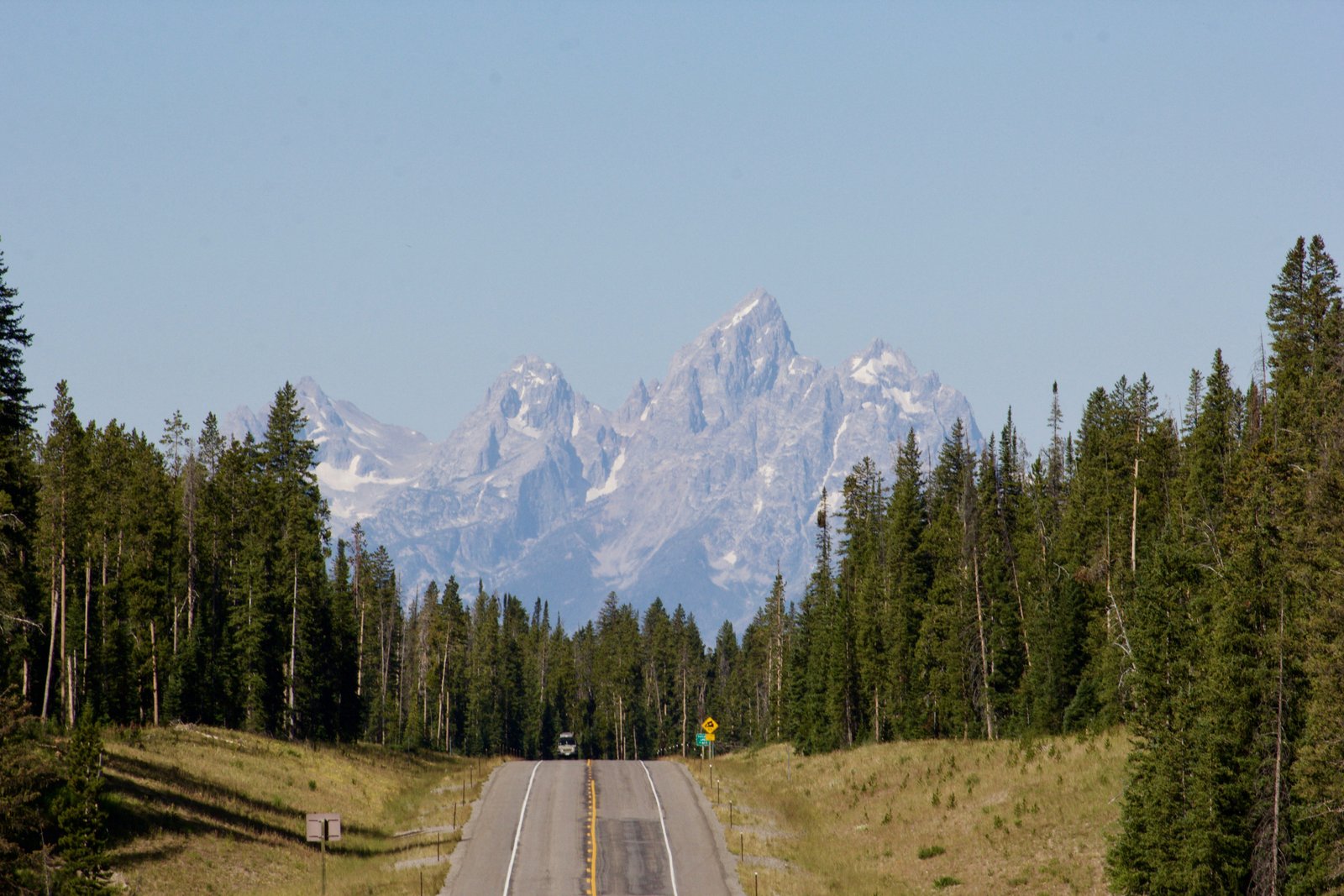
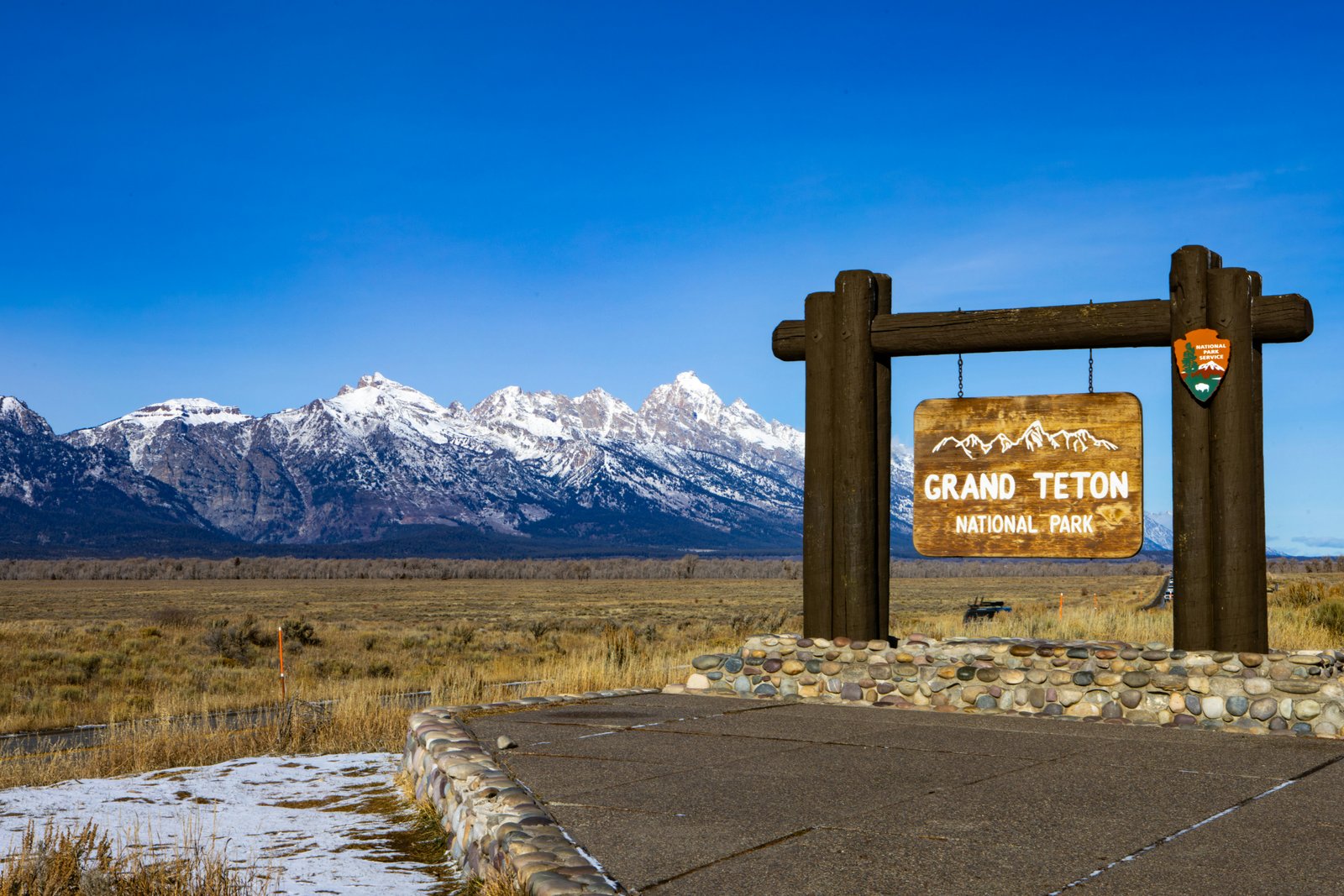
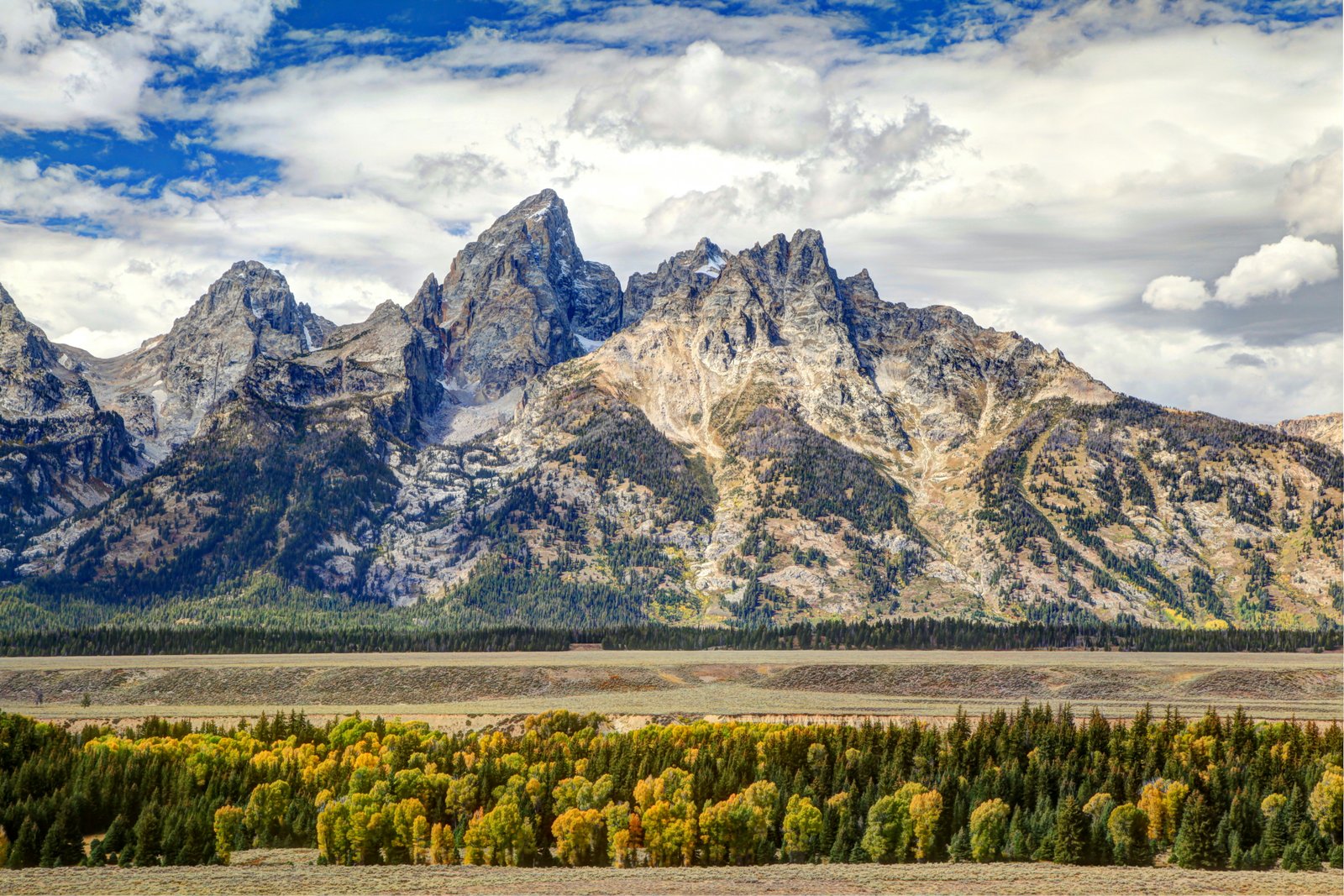
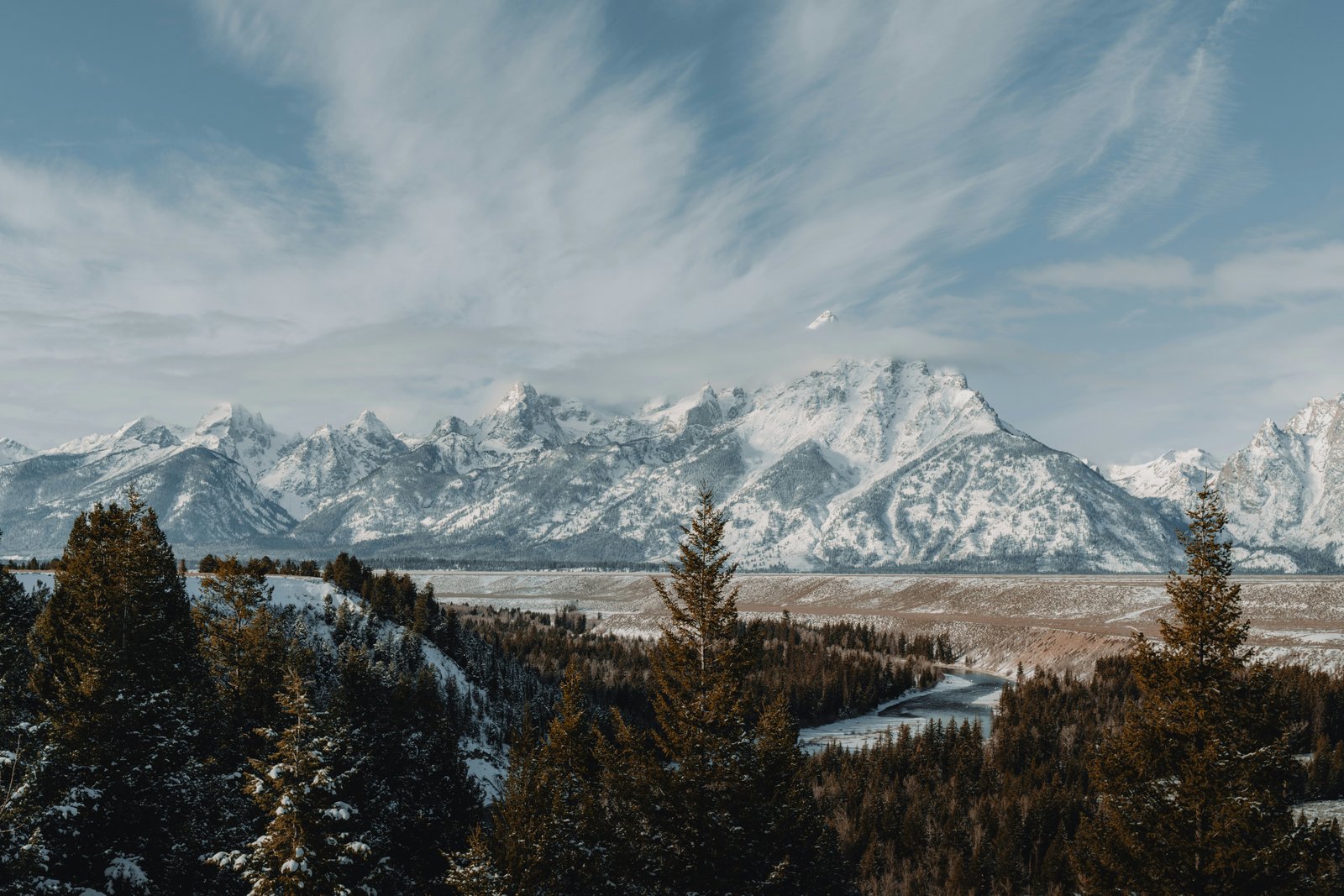
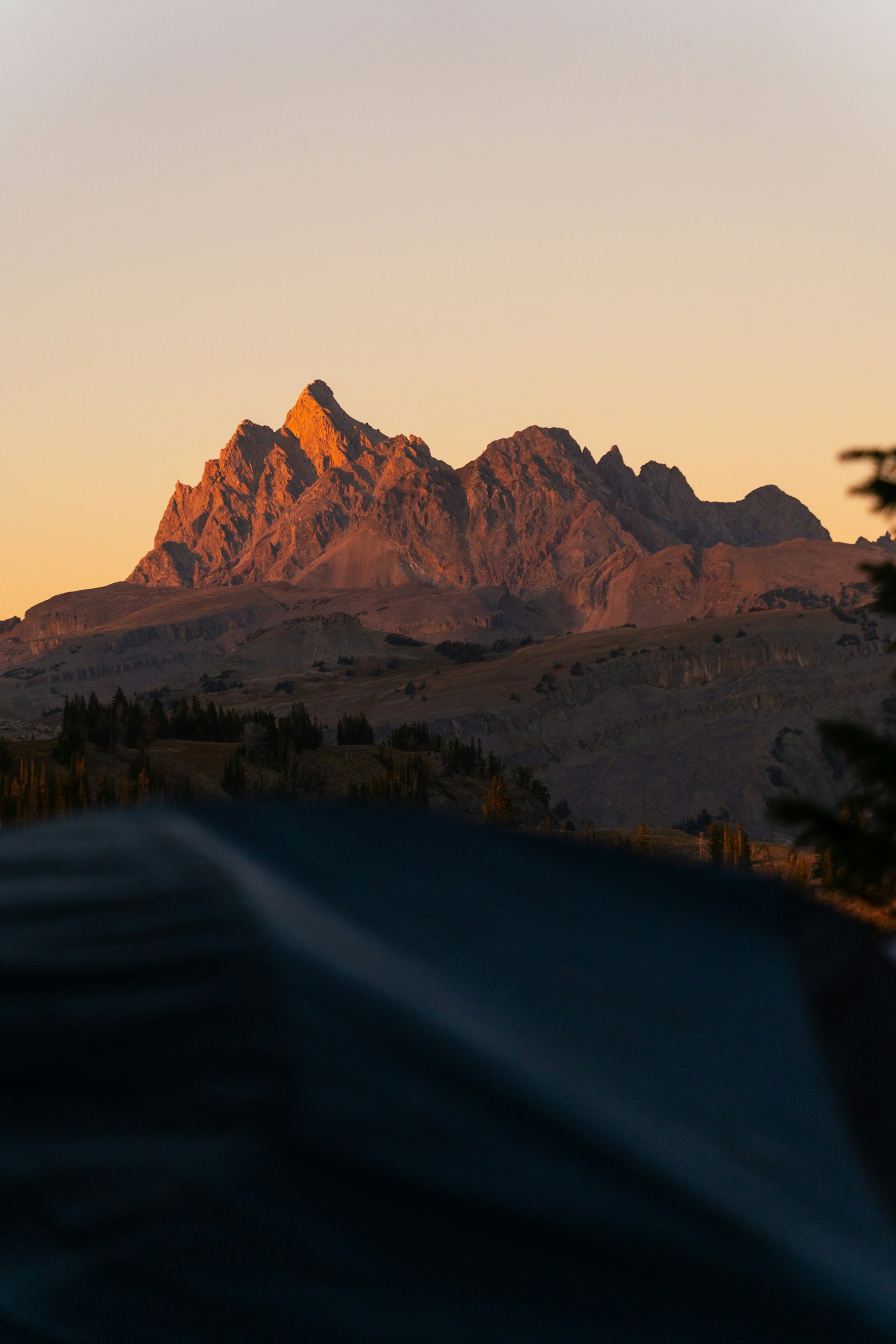
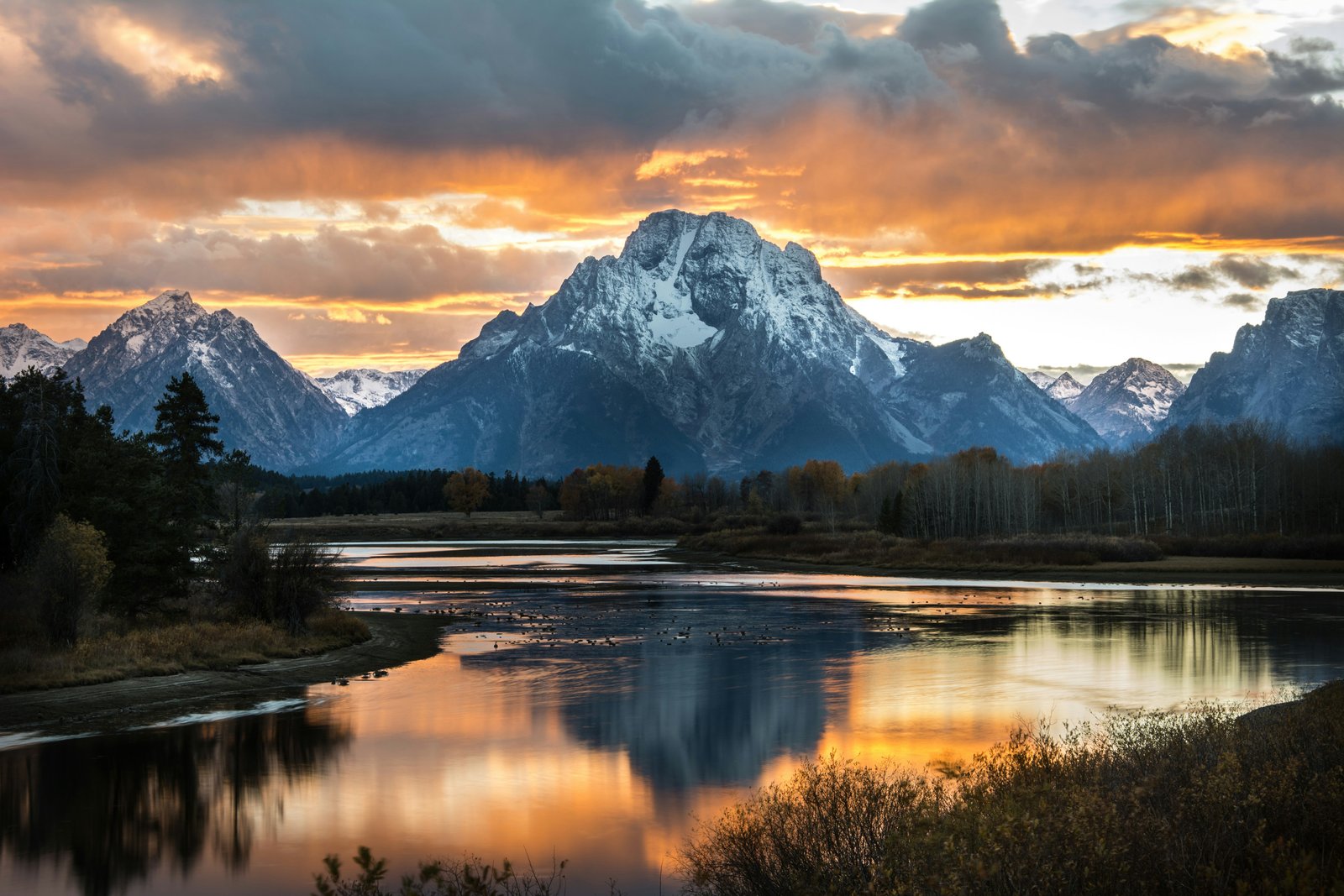
The jagged Cathedral Group at dawn, Jackson Lake shimmering below the peaks, wildflower meadows in July, and the Snake River bend that Ansel Adams made famous.
Guided Experiences in Grand Teton
The Teton Range offers technical alpine climbing and flatwater kayaking on Jenny Lake within the same park. Guided mountaineering on the Grand Teton (4,199m) is one of the signature alpine objectives in North America.
Grand Teton summit climb
Guided 2-day ascent of the Grand Teton (4,199m) via the Upper Exum Ridge or Owen-Spalding route. AMGA-certified guides from Exum Mountain Guides, the oldest guide service in the USA. No technical experience required.
Book summit climb →Guided kayak on Jenny Lake
Half-day guided flatwater kayak on Jenny Lake with the Teton Range as backdrop. Includes crossing to Hidden Falls and Inspiration Point via boat. Kayak instruction provided at the put-in.
Book kayak →Wildlife photography safari
Half-day early morning wildlife and landscape photography tour through the Teton Park Road with a professional photographer. Moose at Oxbow Bend, bison in the flats, bears in Willow Flats.
Book photo safari →Links go to GetYourGuide for real-time availability. Check guide certifications and cancellation policy before booking.
Most mountain ranges build gradually — foothills give way to slopes, slopes rise to peaks. The Tetons do not do this. The range erupts from the flat floor of Jackson Hole with such suddenness that the transition from valley to vertical face happens within a few hundred metres. It is one of the most dramatic mountain landscapes in North America.
The Geology: Why the Tetons Look the Way They Do
The Teton Range owes its distinctive profile to a fault block that geologists describe as one of the youngest mountain ranges in North America. About nine million years ago, a fault line formed along the base of the range. The western block — which became the mountains — tilted upward, while the eastern block sank to form the Jackson Hole valley.
Because the range is still geologically active and relatively young, erosion has not yet had time to build significant foothills or create the gradual slopes typical of older ranges like the Appalachians. What you see is essentially raw uplift — stone pushed skyward and only partially softened by ice and time.
Glaciers carved the classic U-shaped canyons, deposited the moraines that dam the lakes, and sculpted the sharp peaks. The result is a mountain range that feels almost artificially dramatic, like someone turned the scale dial too high.
Wildlife: Moose, Bears, and Elk
Grand Teton is one of the best wildlife-viewing parks in the United States. Moose are nearly guaranteed along Cascade Creek and in the willows surrounding Oxbow Bend, particularly at dawn and dusk. The park has a healthy black bear population and grizzly bears occasionally move in from the Greater Yellowstone Ecosystem to the north — carry bear spray on every hike and know how to use it before you leave your car.
The Jackson Hole valley is part of the largest elk migration in North America: in autumn, tens of thousands of elk move through the valley on their way to winter range, a spectacle that draws wildlife photographers from around the world. Bald eagles, osprey, and great blue herons work the lakes and rivers, and pronghorn antelope graze the sagebrush flats in the southern part of the park.
Combining Grand Teton with Yellowstone
Grand Teton and Yellowstone share a boundary and sit just one hour apart by car. Most visitors combine the two into a single trip, typically spending three to four days at each. If you are driving between them, the John D. Rockefeller Jr. Memorial Parkway connects the parks through some beautiful transition terrain.
The towns of Jackson (south of Grand Teton) and West Yellowstone (northwest of Yellowstone) serve as the main gateways. Jackson is the more developed and expensive of the two, with excellent restaurants and accommodation across a wide price range. Doing both parks back to back gives you two entirely different experiences — Teton is about the mountains, Yellowstone is about the geology and geothermal landscape.
When to Go
July through September is the prime hiking window when all trails are accessible and the alpine flowers are at their peak. October brings one of the most spectacular autumn colour displays in the American West — the aspen groves turn gold against a backdrop of snow-dusted peaks, and the elk rut adds extraordinary wildlife viewing.
June can be wet and some high passes retain snow well into the month. Winter closes most park facilities but opens the park to cross-country skiing and snowshoeing on groomed trails.
How to get there
Jackson Hole Airport (JAC) is the only commercial airport located inside a US national park. Direct flights from Denver, Dallas, Chicago, and Los Angeles, with seasonal routes expanding in summer. The Teton peaks are visible from the terminal runway.
Drive from Salt Lake City (SLC) ~5h north on I-15 to US-189. From the south entrance of Yellowstone, the drive to Jenny Lake is approximately 1 hour through the park. The Teton Park Road along the base of the peaks is one of the most scenic drives in North America.
$35 per vehicle, valid 7 days for both Grand Teton and Yellowstone on the same purchase. Jenny Lake Campground is first-come, first-served and fills by 8am in summer. Backcountry permits from the Craig Thomas Visitor Center.
Where to sleep
Jenny Lake Campground
Tent-only campground in one of the finest settings in the American West, the Tetons rising directly above your site. First-come, first-served. Arrive by 7am in summer for a realistic chance at a spot.
Hotel · Jackson town
Jackson (10 miles south of the park) has the best restaurants and gear shops in the region. Elk Refuge Inn and Anvil Hotel are consistently well-reviewed and well-priced for the area.
Amangani · East Gros Ventre Butte
Minimalist sandstone lodge above Jackson with floor-to-ceiling Teton views, a heated outdoor pool, and a spa. One of the Aman group's standout North American properties.
Common Questions
Yes, if you have the time. The two parks are only about an hour apart and a single America the Beautiful pass covers both. Yellowstone and Grand Teton offer completely different experiences — Teton is about dramatic mountain scenery and hiking, Yellowstone is about geothermal wonders and vast wildlife-watching terrain.
Most people who do both say they complement each other perfectly. A week gives you enough time to properly experience both without rushing.
Carry bear spray and know how to deploy it before you hit the trail. Hike in groups of three or more when possible, make noise on the trail (especially in dense brush or near streams where bears cannot hear you), and never approach wildlife.
Store all food and scented items in a hard-sided vehicle or bear box at campgrounds — never in a tent. If you encounter a bear, do not run. For grizzlies, deploy spray if it charges and play dead if contact is made. For black bears, stand tall and fight back if attacked. The visitor center staff will give you a thorough briefing.
Yes. The ferry across Jenny Lake saves you 7 km of round-trip walking along the eastern and southern shore and deposits you directly below the Hidden Falls trail on the west side. The crossing itself takes only ten minutes and costs around $18 round trip.
It also gives you a beautiful low-angle view of the Teton peaks rising behind the lake. Ferries run from late May through September and the first boat usually leaves around 8 am — early departures have the shortest wait times.
Cascade Canyon via the Jenny Lake ferry is the classic recommendation for good reason. The ferry gets you into the mountains quickly, the canyon hike is straightforward with manageable elevation gain, and the scenery is consistently world-class from start to finish.
If you want something shorter, the Jenny Lake Shoreline loop gives an excellent overview of the park’s character with minimal effort. First-time visitors should also drive the Teton Park Road at dawn or dusk, when the light on the peaks is extraordinary and wildlife is most active along the Snake River.
Backcountry permits are required for all overnight trips in Grand Teton. About two-thirds of permits are available through recreation.gov starting in January, with a small reservation fee per permit. The remaining permits are available as walk-up permits at the Craig Thomas Discovery and Visitor Center starting at 8 am on the day before your trip.
Popular routes like the Paintbrush–Cascade Loop fill early in the season — apply online as soon as the window opens. A bear canister is mandatory for all backcountry camping and can be rented at the Visitor Center if you do not own one.