Exploring Bodie on Foot
Bodie is not a hiking destination in the conventional sense — there are no mountain summits or canyon descents here. Instead, you walk through time. The experience is exploration: moving quietly through streets that have not changed since the 1940s, piecing together the story of a town that once held 10,000 people and is now perfectly, hauntingly empty.
The Town Loop
The self-guided town loop weaves through Bodie’s main street and surrounding residential blocks, past the Methodist church, the Miner’s Union Hall, the jail, the morgue, and dozens of collapsed and standing homes still containing furniture, clothing, and personal effects exactly where they were left. Take as long as you need — there is no right pace through a place like this.
Tip: Pick up the self-guided tour booklet at the entrance station. It maps each numbered building and gives historical context that transforms what looks like a ruin into a story.
The Standard Mine
A short walk from the main town leads to the Standard Mine and Mill complex — the economic engine that drove Bodie’s peak years. The stamp mill machinery, ore carts, and processing equipment remain largely intact and visible from the exterior. Guided mine tours run on weekends in season, giving access to areas beyond the standard visitor route.
Tip: The mine complex makes for the most dramatic photographs in the late afternoon when the light comes in low and golden from the west, silhouetting the machinery against the Sierra Nevada backdrop.
The Cemetery Walk
Bodie’s hilltop cemetery holds more than 200 graves from the gold rush era. The headstones tell the town’s story in miniature: miners from Cornwall, Ireland, China, and Mexico; children who died of illness; men who died violently.
The grave of Rosa May, a well-known figure in Bodie’s red light district, sits apart from the main cemetery — she was refused burial within it despite reportedly nursing miners through a diphtheria epidemic.
Tip: The cemetery sits on a gentle hill above town with an open view across the Bodie Hills toward the Great Basin. It is one of the best vantage points in the park for wide-angle photography.
Bodie in Photos
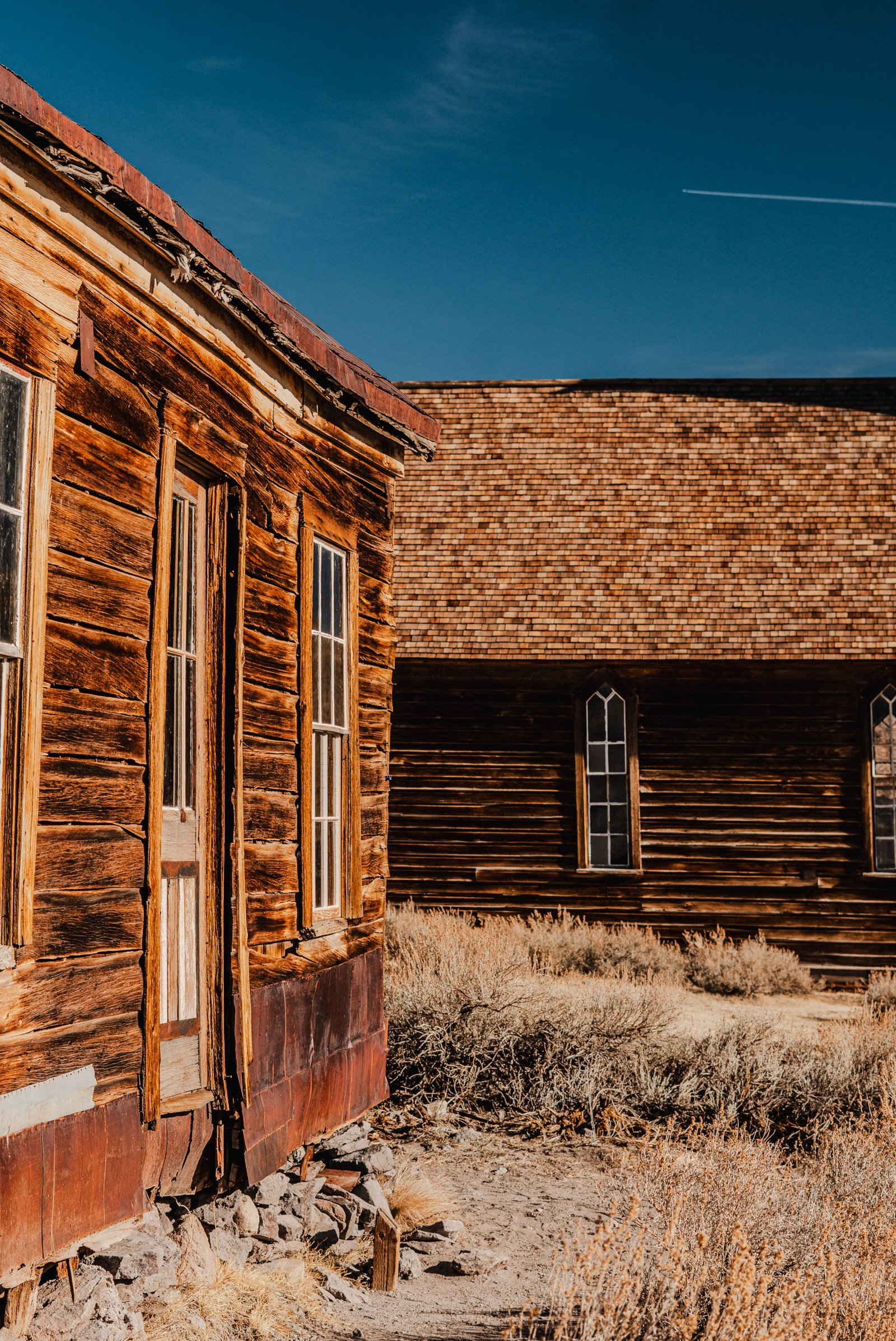
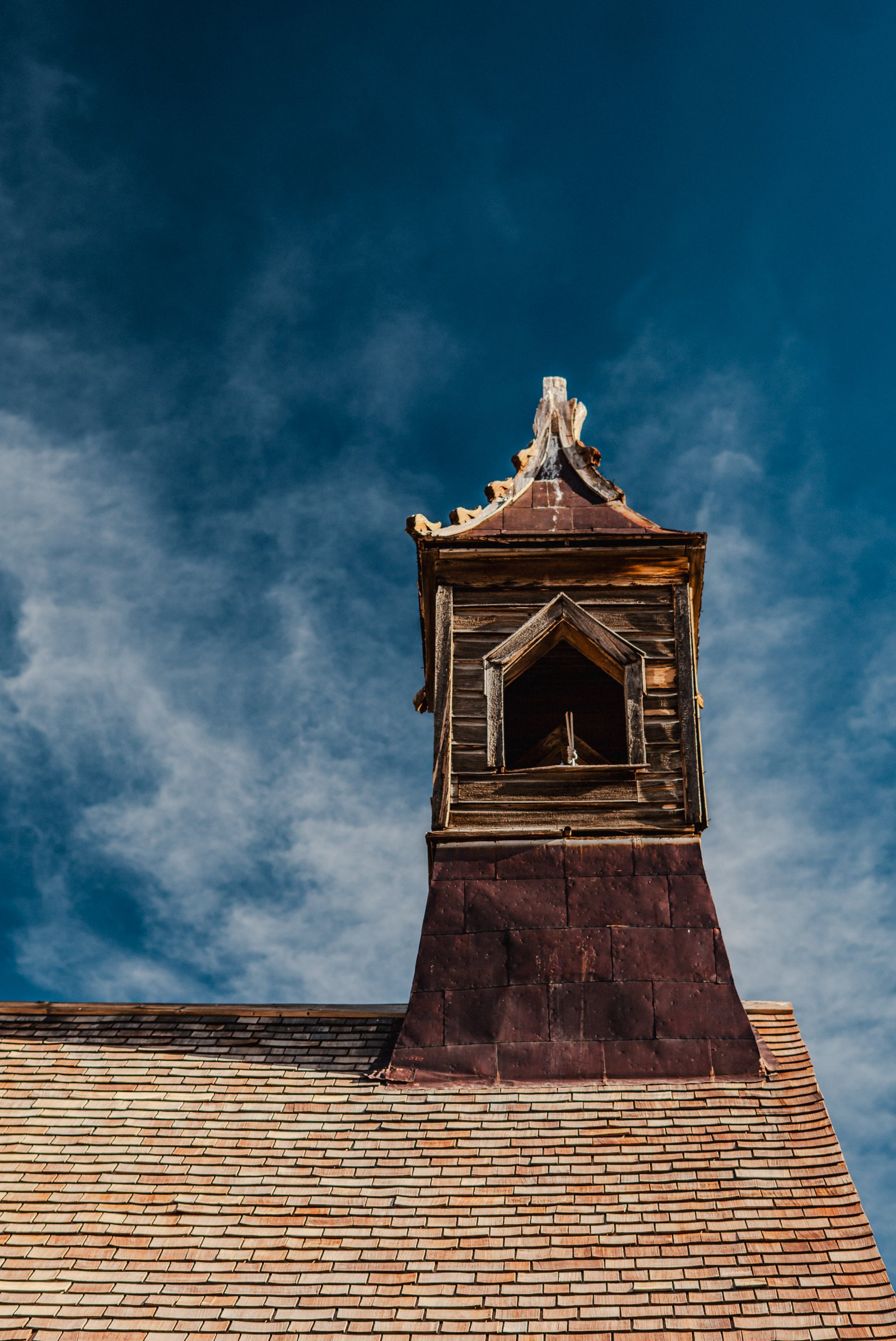
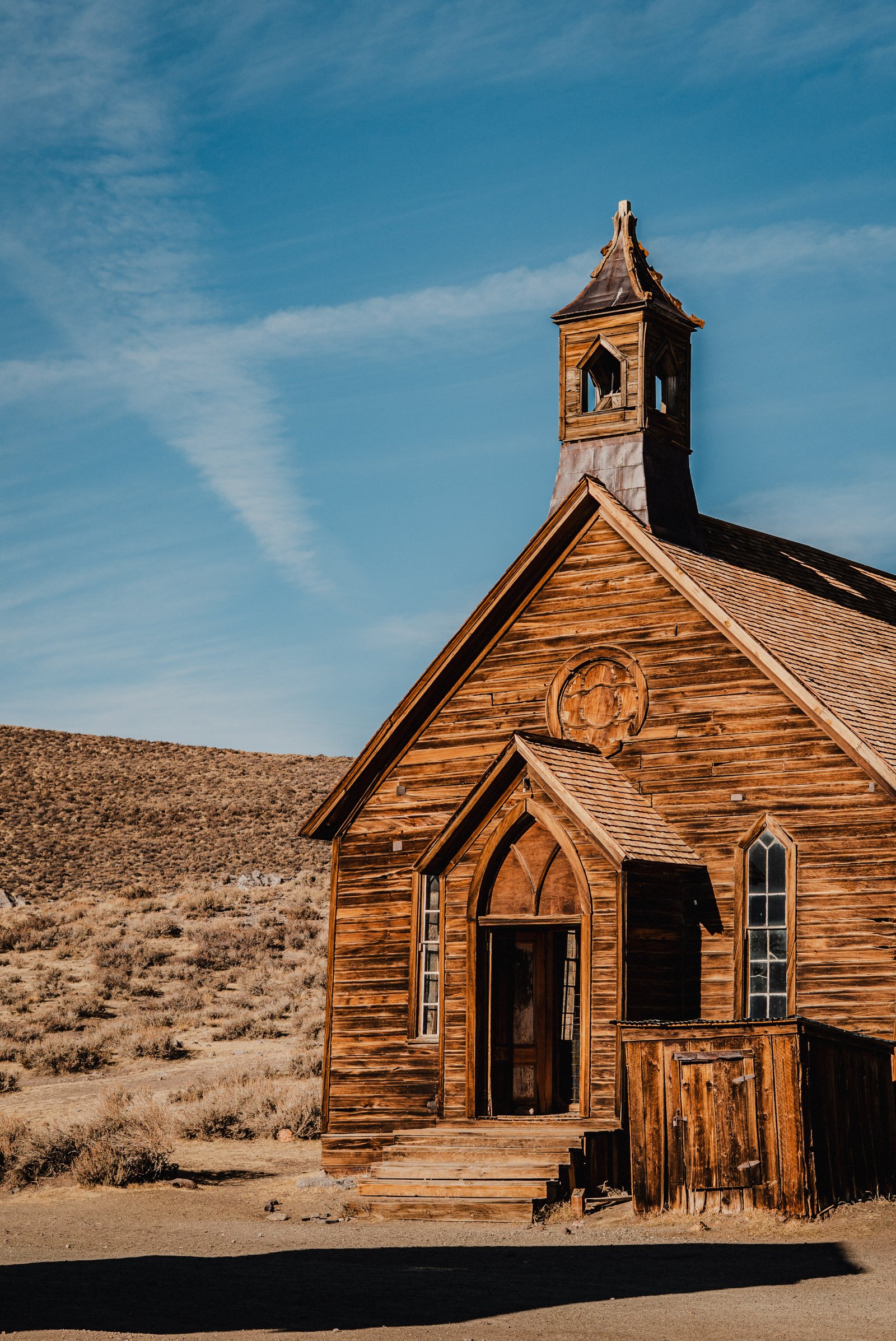
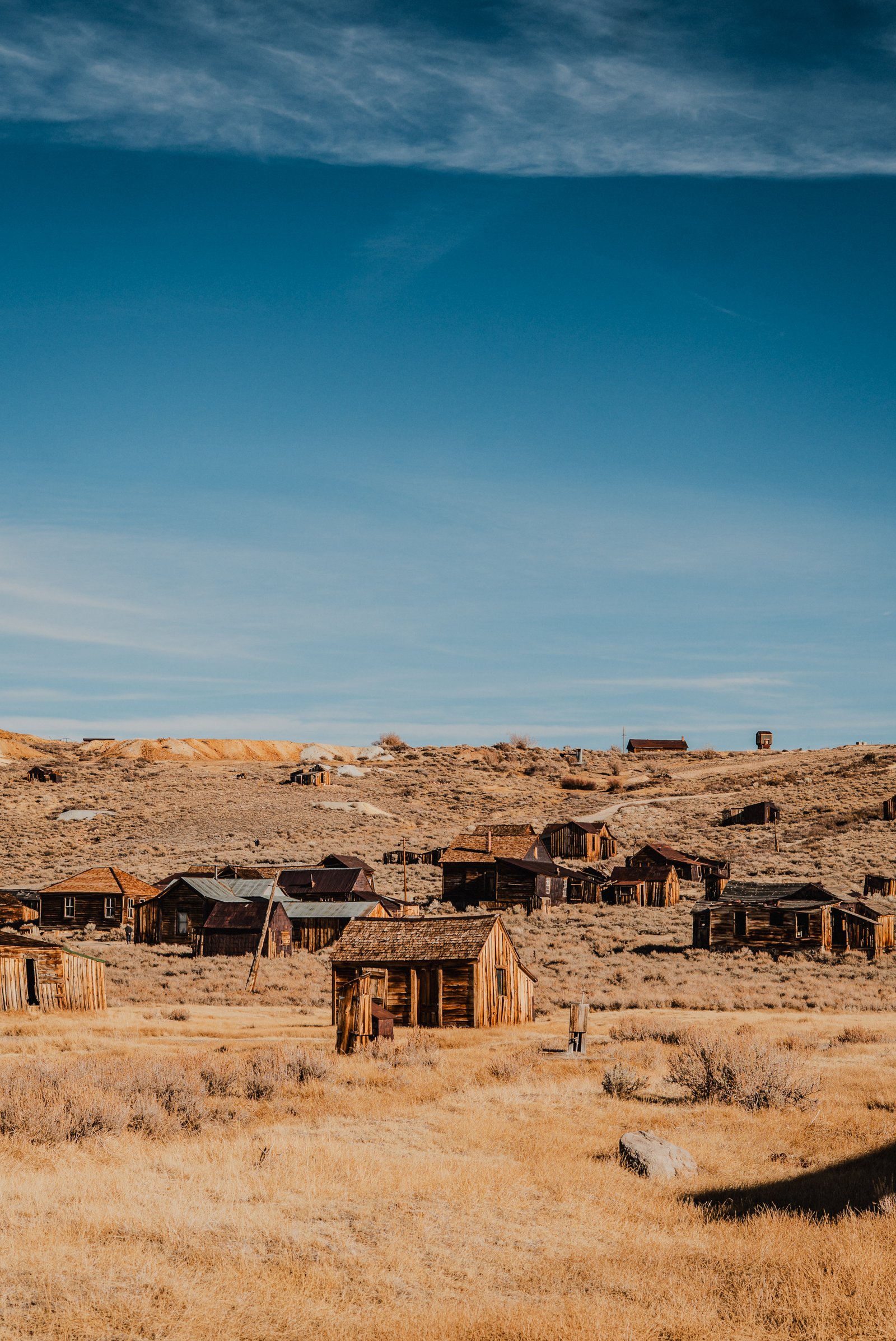
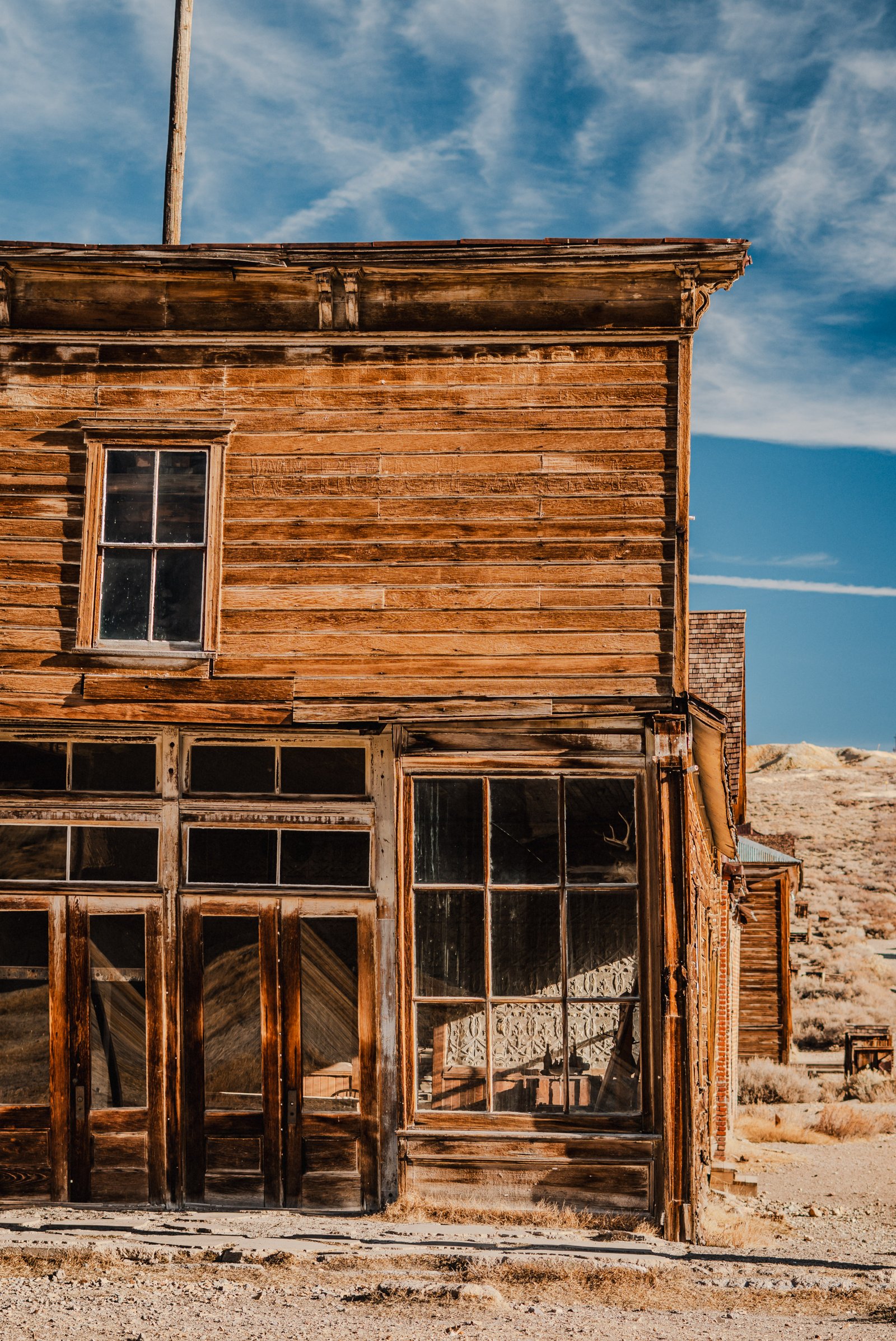
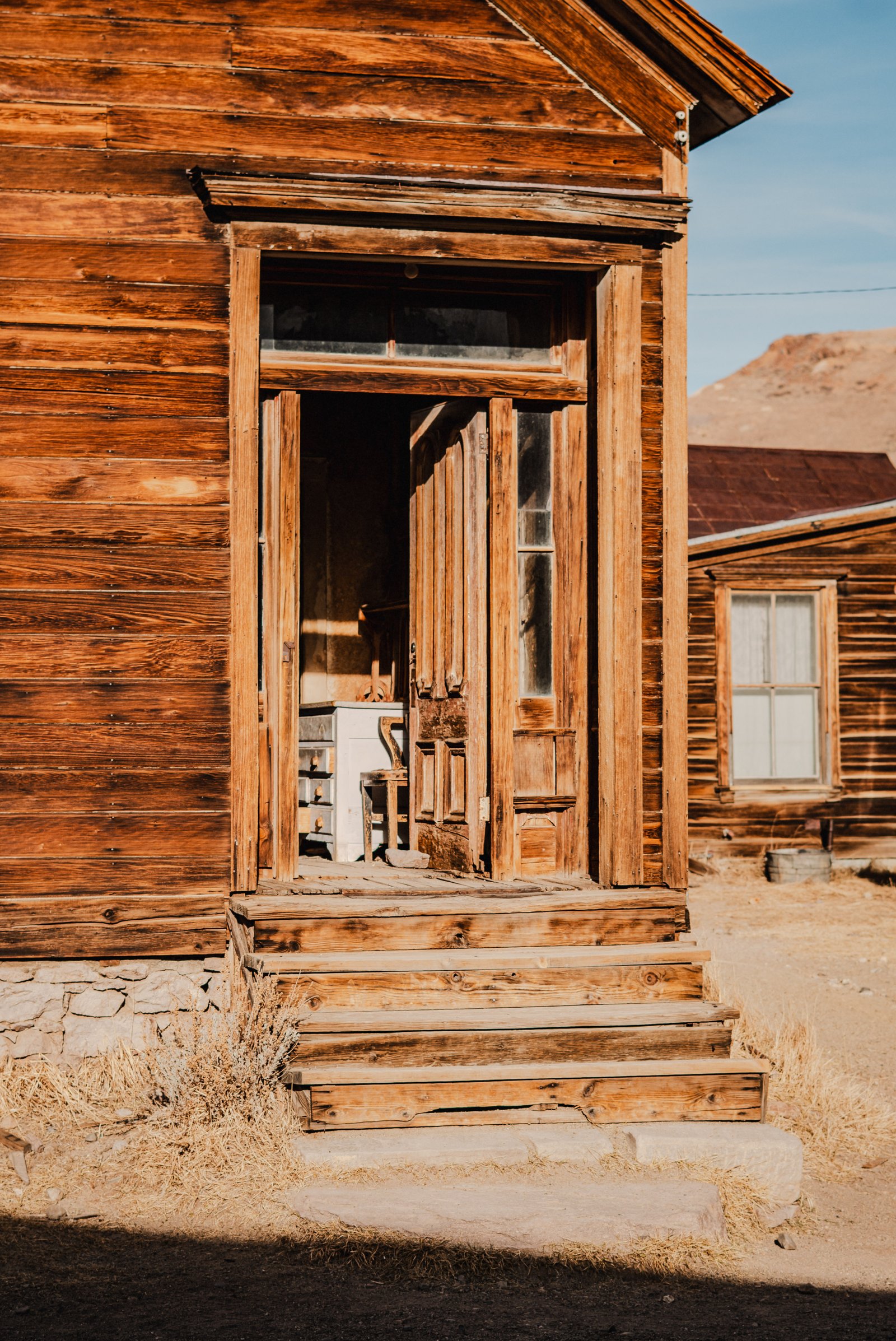
Weathered timber storefronts frozen in the 1880s, rusted mine machinery against an open Sierra sky, and a high-desert stillness unlike anywhere else in California.
Best time, daylight and what to pack
Guided Experiences near Bodie
Bodie is a California State Historic Park at 2,500m in the Great Basin: one of the best-preserved ghost towns in the American West. The surrounding landscape includes Mono Lake, the Eastern Sierra, and direct access to Yosemite's eastern approach.
Bodie ghost town photography tour
Guided photography walk through Bodie with a landscape photographer. The 1870s mining town is preserved in a state of "arrested decay": peeling wallpaper, equipment left where it fell, and a cemetery on the windswept hill.
Book photo tour →Mono Lake tufa tower walk
Guided walk around the Mono Lake tufa towers: bizarre calcium carbonate spires that emerged from the lake as water levels dropped. The lake is 2x saltier than the ocean. South Tufa is the best viewpoint.
Book tufa walk →Eastern Sierra dark sky stargazing
Guided astronomy night in the Eastern Sierra: Bodie to the north, June Lake and Mammoth below: one of the darkest sky corridors in California. Telescope, red flashlights, and Milky Way core photography instruction.
Book stargazing →Links go to GetYourGuide for real-time availability. Check guide certifications and cancellation policy before booking.
Bodie does not look like a place people used to live. It looks like they just stepped out — left their dishes on the table, their coats on the hook — and never came back. That sense of suspended time is what makes it one of the most extraordinary places in California, and entirely unlike any national park you have visited before.
The History of Bodie
Gold was discovered in Bodie in 1859 by Waterman S. Body (the town’s name is a deliberate misspelling of his surname, intended to aid pronunciation). The initial find was modest and the camp grew slowly through the 1860s.
Then, in 1876 and 1877, two significant gold strikes transformed Bodie into one of the biggest boomtowns in the American West. At its peak in 1879, the population reached an estimated 10,000 people. The town had 65 saloons, a red-light district, an active Chinatown, a daily newspaper, a railroad branch line, and a reputation for violence that newspapers of the era described as “the most lawless, wildest, and toughest mining camp the Far West has ever known.” The gold played out gradually through the 1880s, and the population declined as quickly as it had arrived.
A fire destroyed much of the downtown in 1892. Mining continued on a smaller scale until the early 1940s, when the last families left. The state of California took over the site in 1962 and adopted a policy of arrested decay — preserving what remains exactly as found, neither restoring nor letting it collapse further. What you see today is what was left behind.
At its peak, 10,000 people lived here. 65 saloons. A daily newspaper. Now it’s the wind and the boards creaking.
Getting There: The Road In
Bodie sits 13 miles east of US-395 on an unpaved dirt road outside Bridgeport, California. The road is passable by a standard two-wheel-drive vehicle in good weather but is rough, dusty, and can develop deep ruts after rain or snowmelt. The final 3 miles are the roughest section.
Drive slowly, keep your tires inflated, and check the park’s website for current road conditions before you go — the California State Parks website posts updates when the road deteriorates significantly. The road is typically closed from November through May due to snow. In peak season, the drive takes about 25 minutes from US-395 and the parking lot can fill on busy summer weekends.
No Services: Bring Everything You Need
This is one of the most important practical notes about Bodie: there is absolutely nothing at the park. No food, no water, no fuel, no phone signal, no ATM. The entrance fee is cash or card at the gate. Bridgeport, 25 miles away on US-395, is the last place to fill your tank, buy food, or use a reliable phone signal.
Arrive with a full water supply for your party — two litres per person minimum, more in summer when temperatures can feel surprisingly warm despite the altitude. The altitude of 2,550 metres also means the sun is intense, so sunscreen and a hat matter even on cool days. A spare tyre is a reasonable precaution given the road conditions.
When to Go
Bodie is typically accessible from late May through October, with the dirt road closed by snow the rest of the year. Occasionally the road opens earlier in a dry year and closes later in a mild autumn — check the California State Parks website for current status.
Summer weekends bring the largest crowds; mid-week visits in June or September offer the best combination of access and quiet. The golden hour before sunset is magical here, with warm light hitting the weathered wood and casting long shadows across the empty streets. Arrive in the afternoon and plan to be the last car out at closing time.
Where to stay near Bodie State Historic Park
Compare real prices and cancellation terms before you commit. Book early for peak season.
Common Questions
Usually yes. The 13-mile dirt road is passable by most standard two-wheel-drive vehicles in dry conditions, though it is rough and dusty. The last 3 miles are the most corrugated. Drive no faster than 20 mph, check your tyre pressure before leaving, and bring a spare.
After rain or early in the season when snowmelt can saturate the road, conditions deteriorate significantly. California State Parks posts road condition updates on their website — always check before making the drive from US-395. A vehicle with higher ground clearance makes the drive more comfortable but is not strictly required in good conditions.
Most buildings are viewable only from the outside, and this is genuinely enough — many structures have open doors and windows that let you see directly inside to where furniture, bottles, clothing, and equipment remain exactly as they were left.
The Miner’s Union Hall and a small number of other structures are accessible inside during ranger-led tours, which run on weekends during peak season. The Standard Mine also has guided interior tours on weekends. Check with the entrance station when you arrive for the day’s tour schedule.
Personal photography is freely permitted throughout the park, including with tripods. Commercial photography requires an advance permit from California State Parks. Drone use is prohibited without a specific permit. The park enforces a strict rule against removing any object from the site — the notorious Bodie Curse (reportedly bad luck befalling anyone who takes something from the park) aside, removal of any artifact is a federal and state offense.
The park receives letters every year from people mailing back rocks and items they took, accompanied by accounts of misfortune.
Golden hour before closing is ideal. The low late-afternoon sun illuminates the weathered wooden buildings in warm amber light, the shadows grow long across the dirt streets, and the Sierra Nevada rises dramatically to the west as a backdrop.
The Standard Mine machinery is particularly photogenic in this light. If you can, arrive in the early afternoon, explore the town at your own pace, and position yourself for the last hour of light near the mine complex or along the main street. Overcast days also produce beautiful, even light that brings out the textures of weathered timber without harsh shadows.
Easily. Bodie sits on US-395 in the Eastern Sierra, and the road connects directly to some of California’s finest destinations. Mammoth Lakes is about 40 miles south on 395 — a natural add-on for a night or two of hiking in the Mammoth area.
Yosemite’s east entrance at Tioga Pass (summer only, typically open June through November) is about 30 miles south of Bodie’s turnoff — you can drive over Tioga Pass and into Yosemite Valley in around two hours. Many Eastern Sierra itineraries combine Bodie, Mono Lake (just off 395 near Lee Vining), and Yosemite in a single loop from the Bay Area or Los Angeles.