Acatenango Routes and Experiences
The overnight summit trek is the standard approach. A day hike to the saddle is possible, and the full summit push on day two is optional but worth the effort.
Overnight Trek to High Camp
The standard Acatenango overnight starts from the village of La Soledad (2,400m) on the lower flanks. Guides carry or assist with cooking equipment, tent, and food; you carry your personal kit. The trail climbs steeply through maize fields and then into cloud forest of ferns and cypress, breaking into open volcanic sand and ash above the treeline at around 3,200m.
Above the treeline, the full cone of Fuego appears to the south, its crater rim regularly illuminated by internal lava glow. High camp sits on the saddle between Acatenango and its companion peak at around 3,700m. The Fuego eruption cycle from camp varies from 10 to 40 minutes between eruptions; activity is continuous, and at night the ash column and fire glow are visible even from 4km distance.
Summit Push to 3,976m
The summit push from high camp begins at 4am, usually after Fuego has woken everyone up with eruptions through the night. The final push is on loose volcanic ash and scree, steep enough in places that one step forward produces half a step of backward slide.
Trekking poles are essential. The summit crater is dormant and can be approached to the rim. From the top, on a clear morning, you look south directly into the active Fuego crater (1.5km away) and west over the Pacific coast cloud layer 130km distant. The sunrise from the summit with Fuego erupting simultaneously is one of the most dramatic mornings in Central America.
Day Hike to Saddle Viewpoint
A day hike without camping reaches the saddle between Acatenango and Fuego at around 3,700m, the same viewpoint used as high camp on overnight trips. The view of Fuego from the saddle is identical to the overnight camp experience during the day; the difference is that Fuego eruptions are more dramatic at night when the lava glow and fire column are visible.
As a day hike, you will see the ash column clearly and hear the eruption sound (a deep, low-frequency thump that reverberates across the valley), but the visual spectacle of glowing lava is mostly a nighttime experience. The day return is steep and demanding but logistically simpler than the overnight.
Acatenango Volcano in Photos
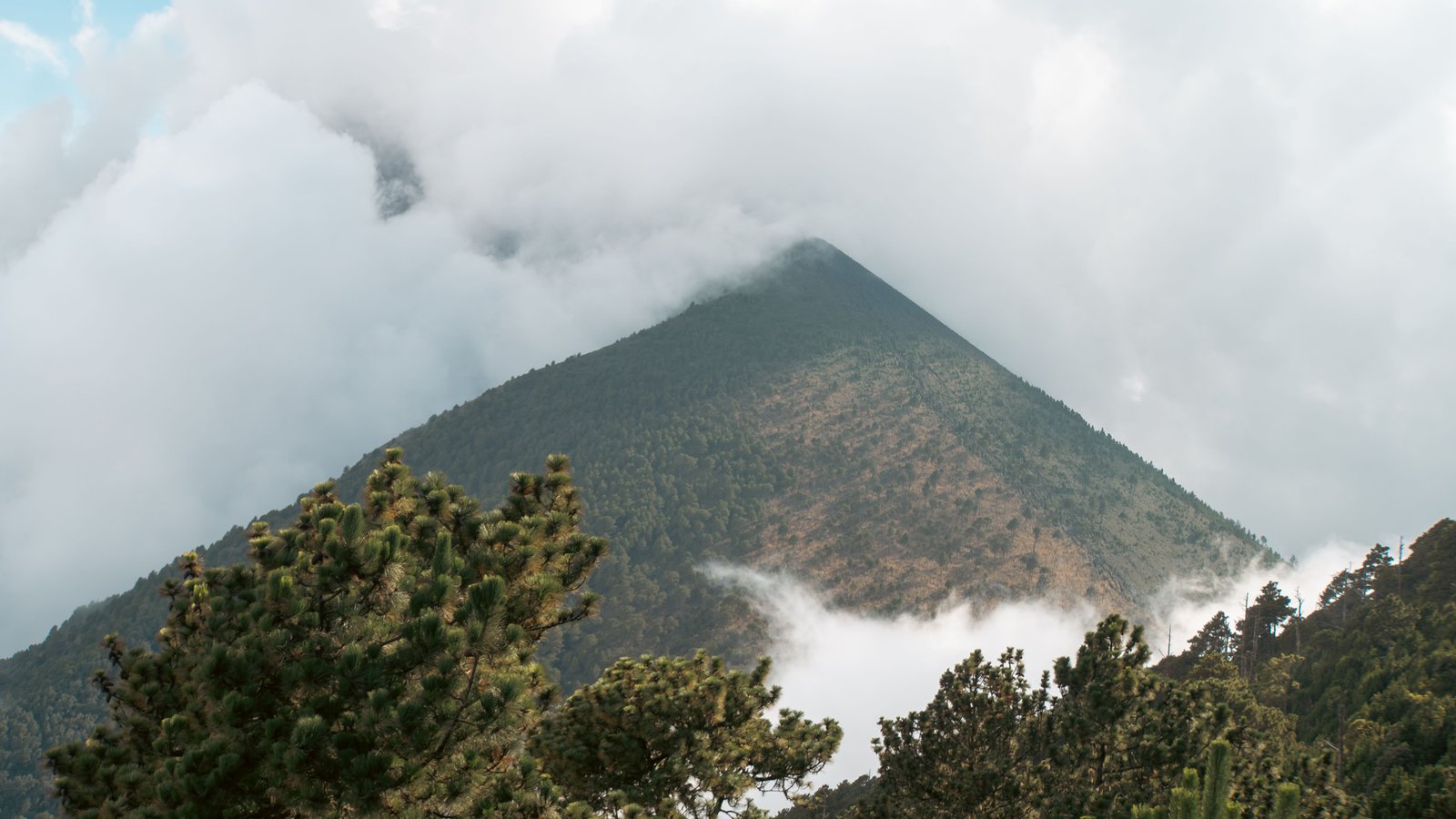
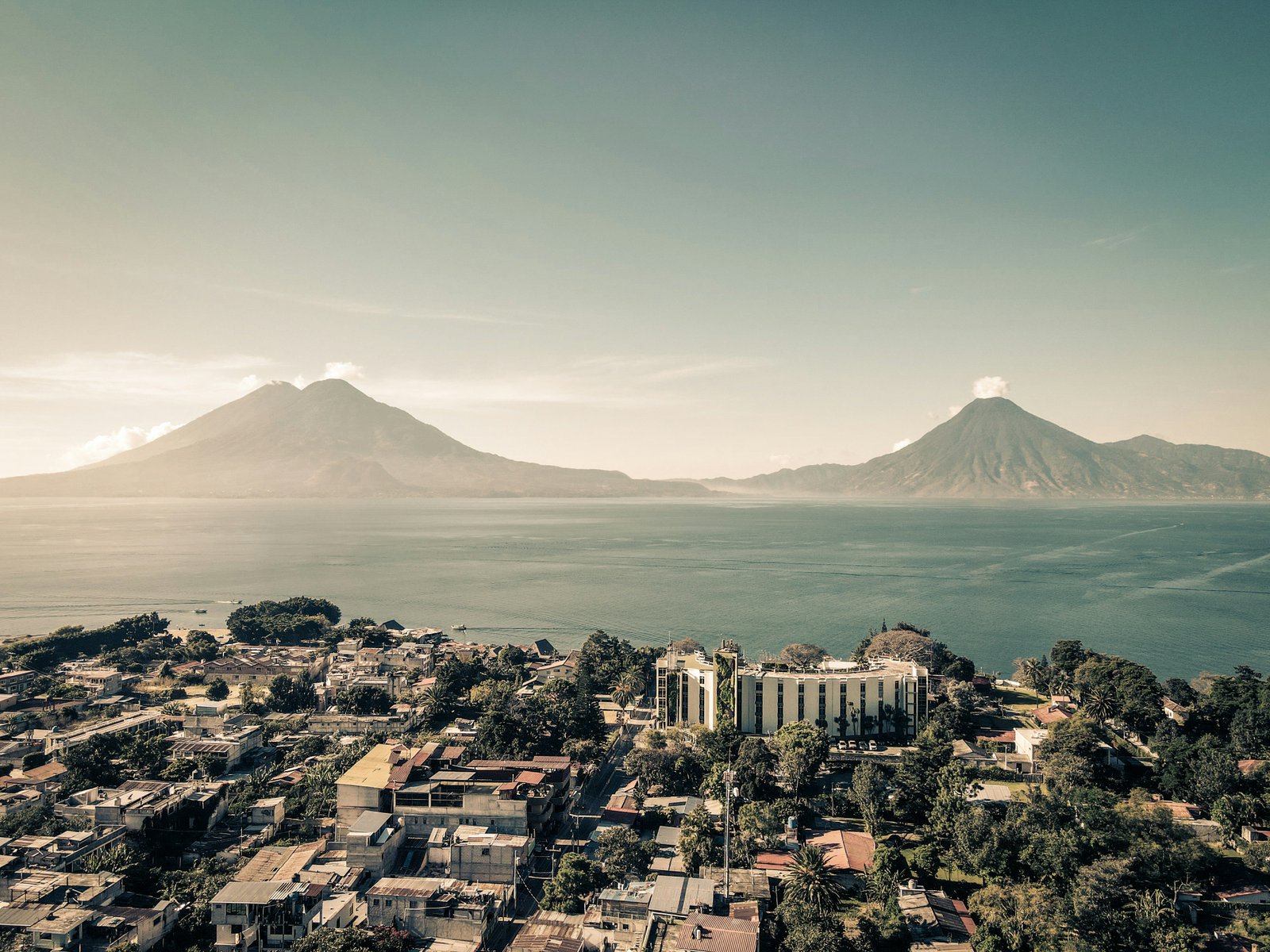
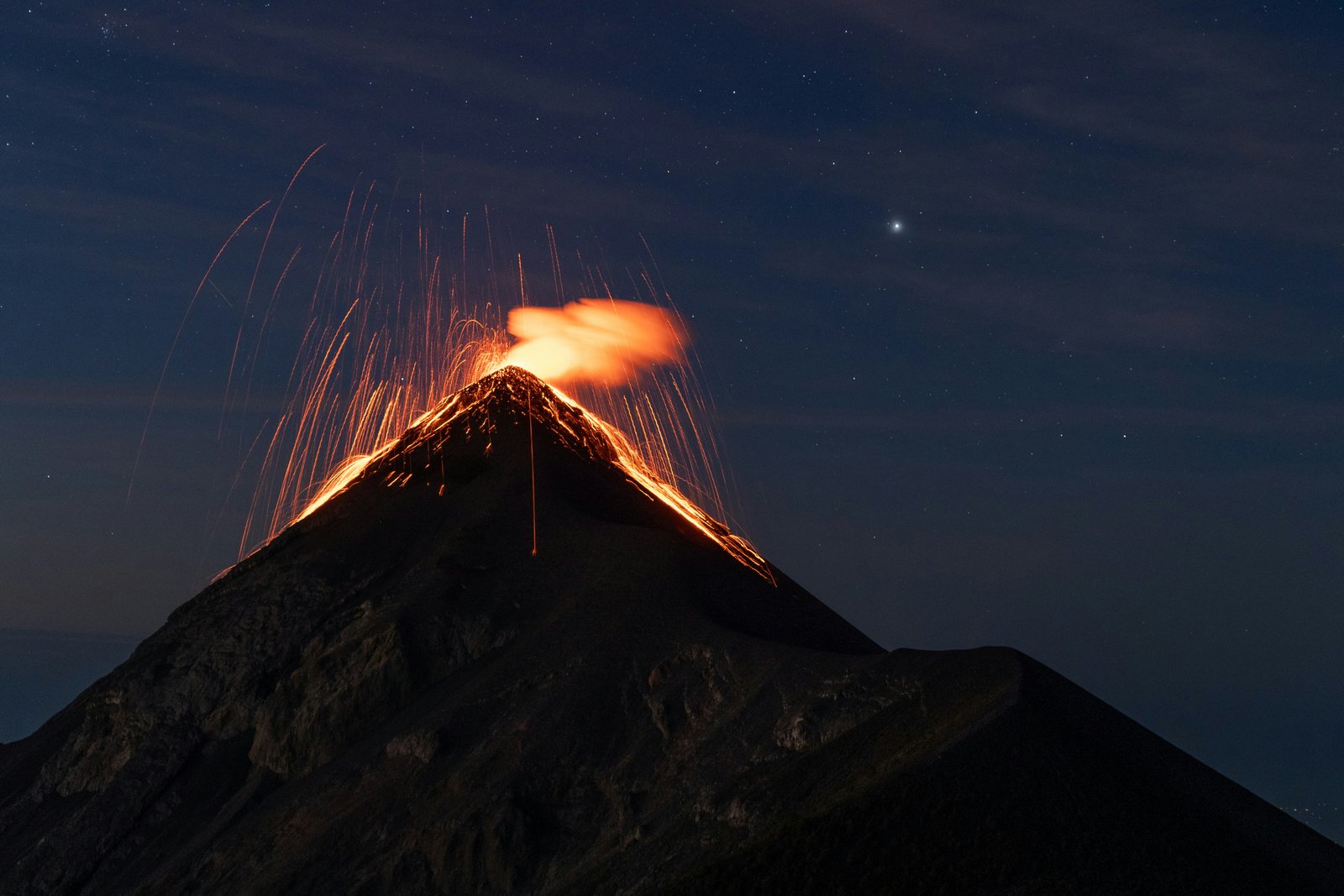
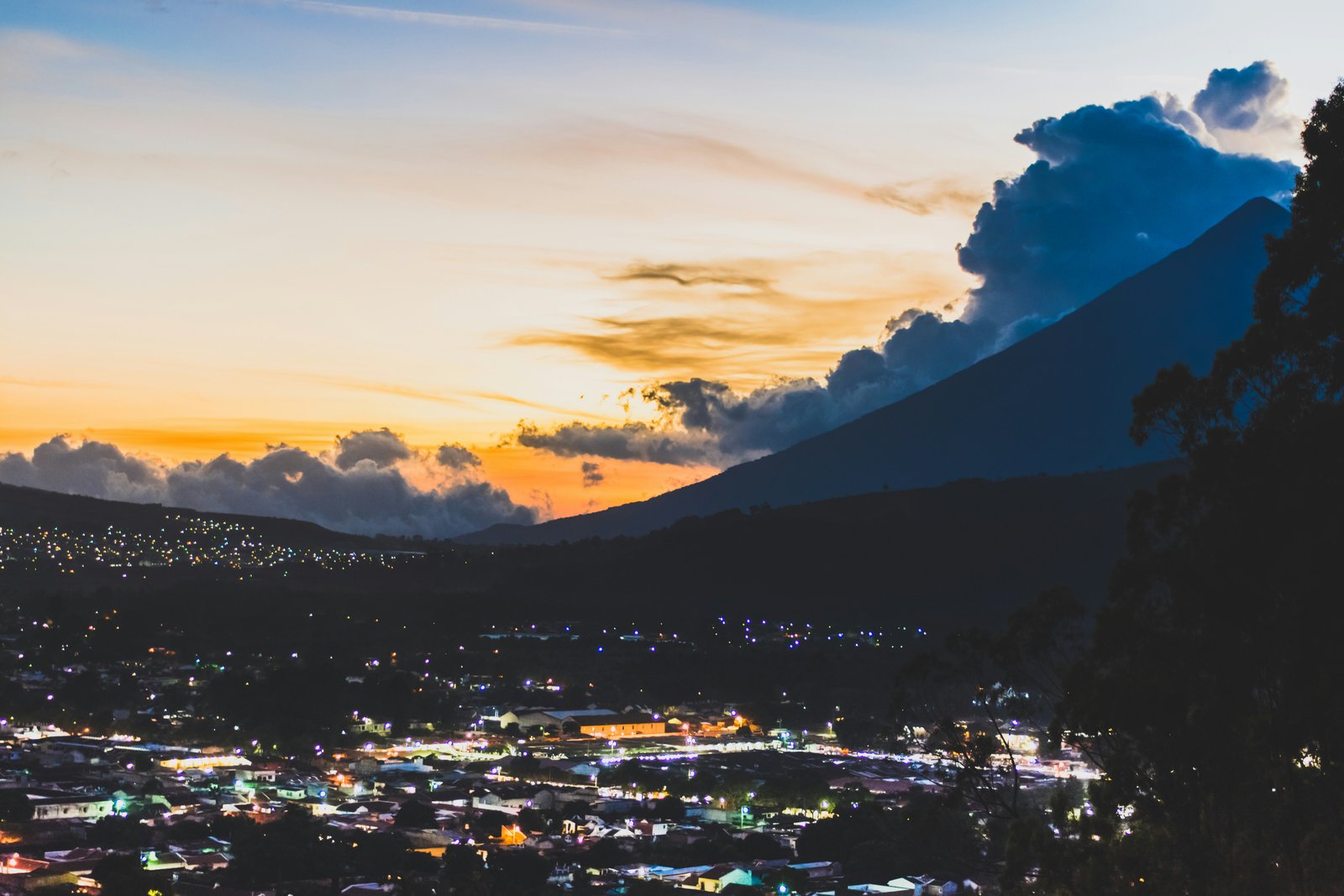
Fuego erupting through the night from the Acatenango saddle, Antigua's colonial streets below the twin volcanoes, and Lago de Atitlán catching the dawn light.
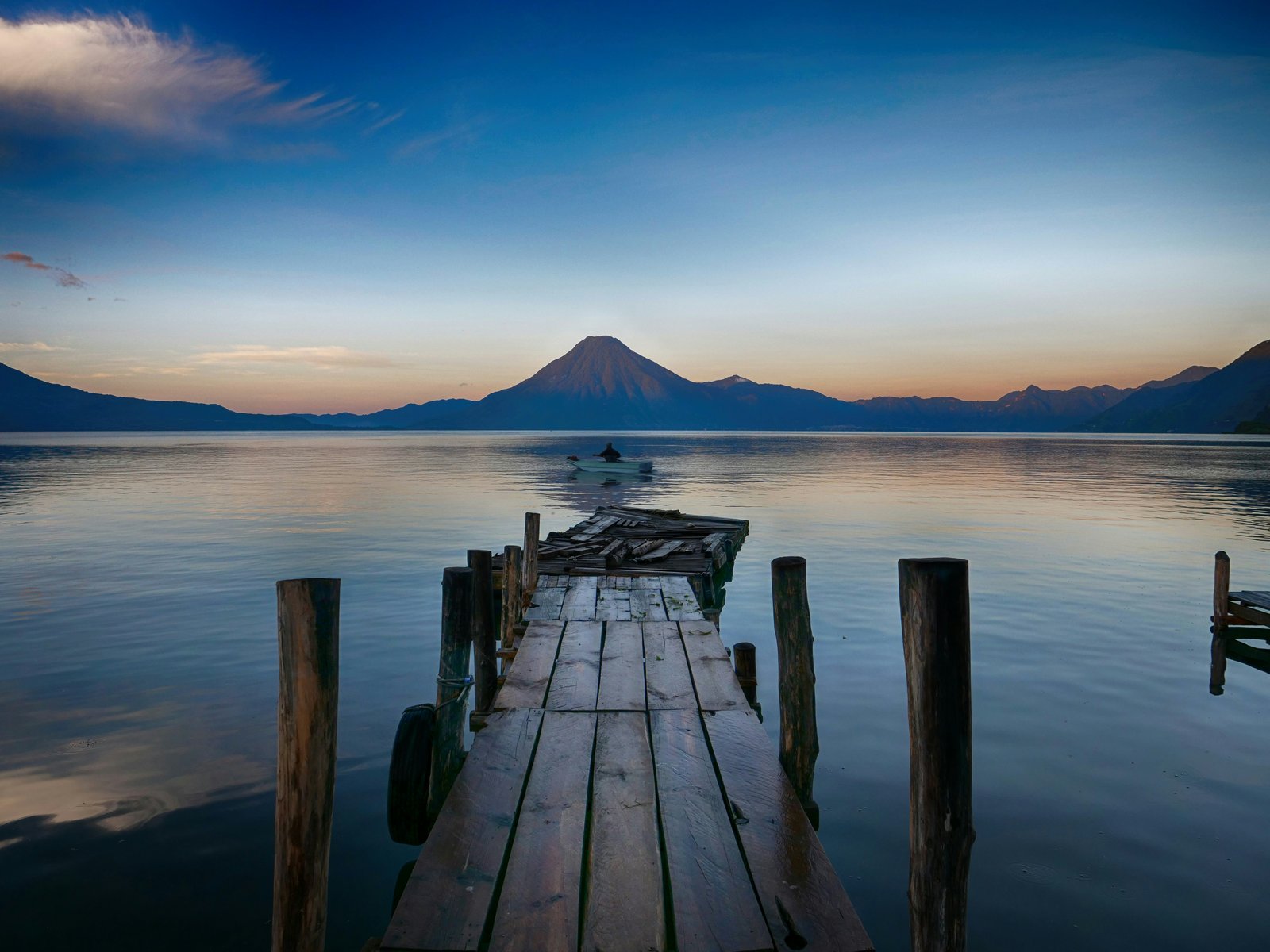
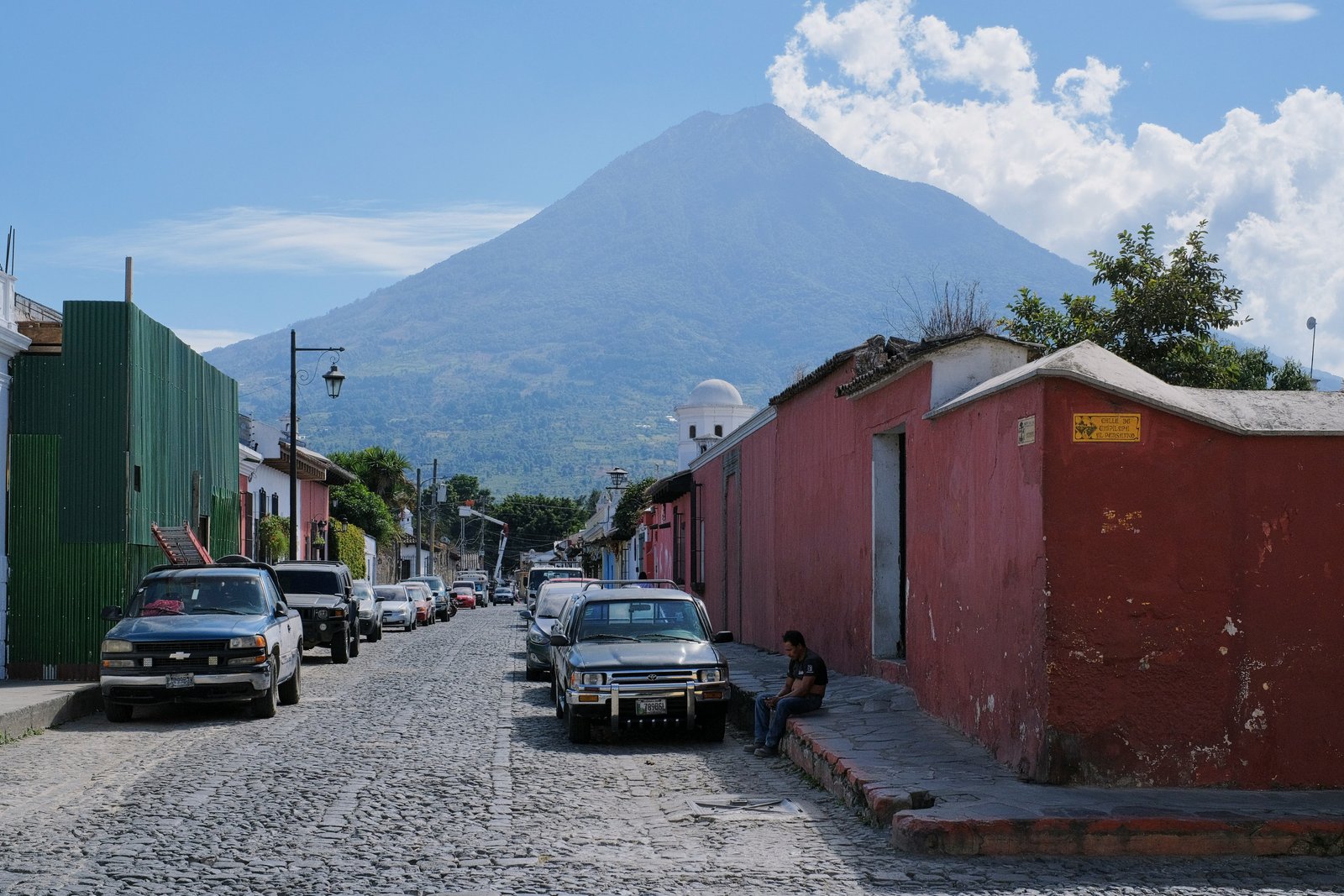
Best time, daylight and what to pack
Guided Experiences on Acatenango
Acatenango (3,976m) is the only place in the world where you can camp and watch an active volcano: Fuego: erupt from roughly eye level throughout the night. Every overnight ascent is guided and includes crater-watching.
Overnight Fuego volcano watch
The signature experience: guided summit overnight on Acatenango with Fuego erupting across the saddle. Hike up on Day 1, camp at 3,700m, Fuego erupts every 20–45 minutes through the night, summit at sunrise Day 2.
Book overnight →Day-only summit hike
Guided Acatenango day summit: no overnight camping. Faster pace, shorter exposure. Summit before afternoon clouds close in. Best between November and April when the dry season keeps the trail firm.
Book day hike →Fuego eruption photography workshop
Photography-focused overnight on Acatenango with a professional guide teaching long-exposure technique for lava plumes and ash clouds at night. Best Fuego eruption shots require 2–5 second exposures at wide aperture.
Book photo overnight →Links go to GetYourGuide for real-time availability. Check guide certifications and cancellation policy before booking.
Fuego erupts approximately every 15 to 20 minutes on a typical day. At night from the camp on the Acatenango saddle, you watch the eruption cycle from 1.5km away: a deep thump you feel as much as hear, a column of fire and incandescent rock rising 200 to 400m above the crater rim, and the glow that lights the underside of the ash cloud orange for the 2 to 3 minutes before the column collapses back and the cycle resets. Nothing in Central American travel compares to watching this for 8 hours through the night.
Fuego vs Acatenango
Acatenango is dormant; Fuego is one of the most continuously active volcanoes on Earth. They sit 4km apart, and Acatenango is the observation point for Fuego, not the spectacle in itself. The Acatenango summit gives a view into both craters (the dormant Acatenango crater and the active Fuego crater to the south), but the reason the overnight exists is the night-view of Fuego.
This distinction matters: if you only want to stand on a high summit, Acatenango is a tiring but straightforward hike. If you want to watch an active volcano erupt through the night from 1.5km away, the overnight is the only way to do it.
Guides and tours
Guides are strongly recommended and effectively mandatory for most tour operators running the hike. The trail is not technically difficult, but the altitude (3,700m camp, 3,976m summit) combined with volcanic sand and ash terrain makes navigation and pace management important.
Tours depart from Antigua Guatemala (45 minutes from the trailhead), collect you from your hostel, provide tents, sleeping bags, food, and a cook at high camp. Cost is around $25 to $40 USD per person in a group tour. Private guides cost more. The trailhead village of La Soledad has local guide operations that are cheaper but with less equipment standardization.
When to go
November through April is Guatemala's dry season and the only reliable window for overnight summit trips. June through September is the rainy season; the summit is frequently in cloud and the ash/forest combination becomes a mud-and-slip hazard.
The driest months for the clearest summit views are December through March. Easter week (Semana Santa) is peak season in Antigua, meaning guides book out and accommodation prices spike; book 4 to 6 weeks ahead for any Easter trip.
How to get there
Fly into La Aurora International (GUA) in Guatemala City. Direct flights from Miami, Houston, Los Angeles, New York, Madrid, and Amsterdam. From the airport, take a shuttle to Antigua: 45 minutes, $8–12 USD, available at the ground transport desk in arrivals.
Most overnight tours include hotel pickup from Antigua. If self-organizing: take a chicken bus to Ciudad Vieja (Q5, 30 min), then a pickup truck to La Soledad (Q15–20, 40 min). Allow 1.5 hours door to trailhead.
Antigua is the base town. The trailhead at La Soledad has no accommodation. Antigua is 45 km from Guatemala City; an alternative is to arrive late into GUA and take the first morning shuttle.
Where to sleep
Hostel · Antigua
Antigua's historic center has a dense hostel scene within walking distance of all transport. Dorms start at $10; private rooms from $20. Most hostels also book Acatenango tours.
Boutique hotel · Antigua
Colonial-era boutique hotels with courtyards and rooftop terraces. Comfortable base with good food options nearby and easy access to tour operators.
Heritage hotel · Antigua
Former convents and colonial mansions converted to five-star properties. Porta Hotel Antigua and Casa Santo Domingo are the benchmark for the city.
Common Questions
Under normal eruption conditions (which is what Fuego does constantly), the camp on the Acatenango saddle is at a safe distance of 1.5km to 2km from the active crater. The eruptions produce an ash column and fire fountain above the crater; they do not produce lava flows that would reach the camp area under standard activity.
In June 2018, a major pyroclastic surge event at Fuego killed over 200 people in villages on its lower southern flank. The camp is on the north saddle, on Acatenango, not on Fuego. That said, volcanic activity can intensify unpredictably, and any reputable guide will monitor activity levels and will not run the trip if a hazard alert is in effect.
Camp temperature at the saddle (3,700m) drops to 3 to 8°C on a typical dry season night. Wind chill can make it feel significantly colder. Tour operators typically provide sleeping bags rated to 0°C, but many people find these insufficient.
Bring or rent a sleeping bag rated to -5°C. A beanie, thermal base layers, and fleece mid-layer are the minimum for a comfortable night watching Fuego. The camp itself is exposed with no windbreak infrastructure.
The hike to high camp is 7km with 1,300m of elevation gain at altitude. You do not need to be a mountaineer, but you should be comfortable with a full day of sustained uphill walking. The altitude affects people differently; 3,700m at the camp causes mild altitude effects (shortness of breath, slower pace, possible headache) for people who have not acclimatized.
Spending 1 to 2 nights in Antigua (1,530m) before the hike provides minimal acclimatization but some is better than none. The summit at 3,976m is only 276m higher than camp, which is manageable if you coped with the camp elevation.
Antigua is a well-preserved Spanish colonial city at 1,530m, 45 minutes from the Acatenango trailhead, with excellent food, coffee shops, language schools, and accommodation at all price points. It is the most developed destination in Guatemala and a comfortable, safe base.
The central park, the ruined cathedral of La Merced, and the jade shops are the main town attractions. From Antigua you can see Acatenango and Fuego to the south on a clear day. Antigua's Semana Santa (Easter week) is considered the largest Easter celebration in the Americas; accommodation books out a year in advance for this period.
The trail is not officially restricted to guided groups, and some experienced hikers do it independently. However, the trail is poorly marked above the treeline, the volcanic ash navigation requires prior knowledge of the route, and solo hikers have been robbed on the lower flanks in the past.
The tour cost ($25 to $40 USD) is low enough that independent hiking savings are minimal against the added safety and logistical ease of having a guide, food, and shelter provided. If you do go independently, register your route with Antigua police tourism office before departing.