Kilimanjaro Routes
The Lemosho for best acclimatization, the Machame for a faster and popular alternative, and the summit night to Uhuru Peak.
Lemosho Route (8 days)
The Lemosho Route is the best acclimatization route on Kilimanjaro, starting from the Londorossi Gate on the western flank at 2,100m and spending 2 days in the cloud forest before ascending onto the Shira Plateau at 3,840m. The route then joins the Southern Circuit above the Lava Tower (4,642m) before the main approach through Barranco, Karanga, and Barafu camps.
The 8-day version adds an extra day on the Shira Plateau that significantly improves acclimatization and summit success rates compared to the 6-day Lemosho. The Lemosho descends via the Mweka Route, giving a full loop of the southern face of the mountain.
Machame Route (7 days)
The Machame Route is the most popular route on Kilimanjaro, known as the "Whiskey Route" for its difficulty relative to the "Coca-Cola" Marangu Route. It approaches from the Machame Gate on the south flank, climbing through rainforest, moorland, and the Shira Plateau before the famous Barranco Wall, a 300m scramble on exposed rock above camp.
The wall is not technically climbing (hands are needed in a few places) but creates bottlenecks when many groups tackle it simultaneously. The 7-day version has adequate acclimatization; the 6-day Machame is too fast for most people and is not recommended.
Summit Night to Uhuru Peak
Summit night starts from Barafu Camp (4,673m) at midnight to 1am. The 1,220m of ascent to Uhuru Peak (5,895m) takes 7 to 9 hours at the slow pace necessary at altitude. Temperature at the crater rim ranges from -10 to -25°C with wind chill on summit night. The route zigzags up volcanic scree and ash on the Kibo cone face.
Stella Point (5,756m) on the crater rim is where most people who fail to summit turn back; from Stella Point to Uhuru Peak is a further 45-minute walk along the crater rim. The sunrise over the crater from the rim, with the crater glacier to the north and the clouds below, is the payoff for a week of climbing. The descent to Barafu from the summit is 3 to 4 hours; most expeditions then continue all the way down to Mweka or Millennium camp the same day.
Mount Kilimanjaro in Photos
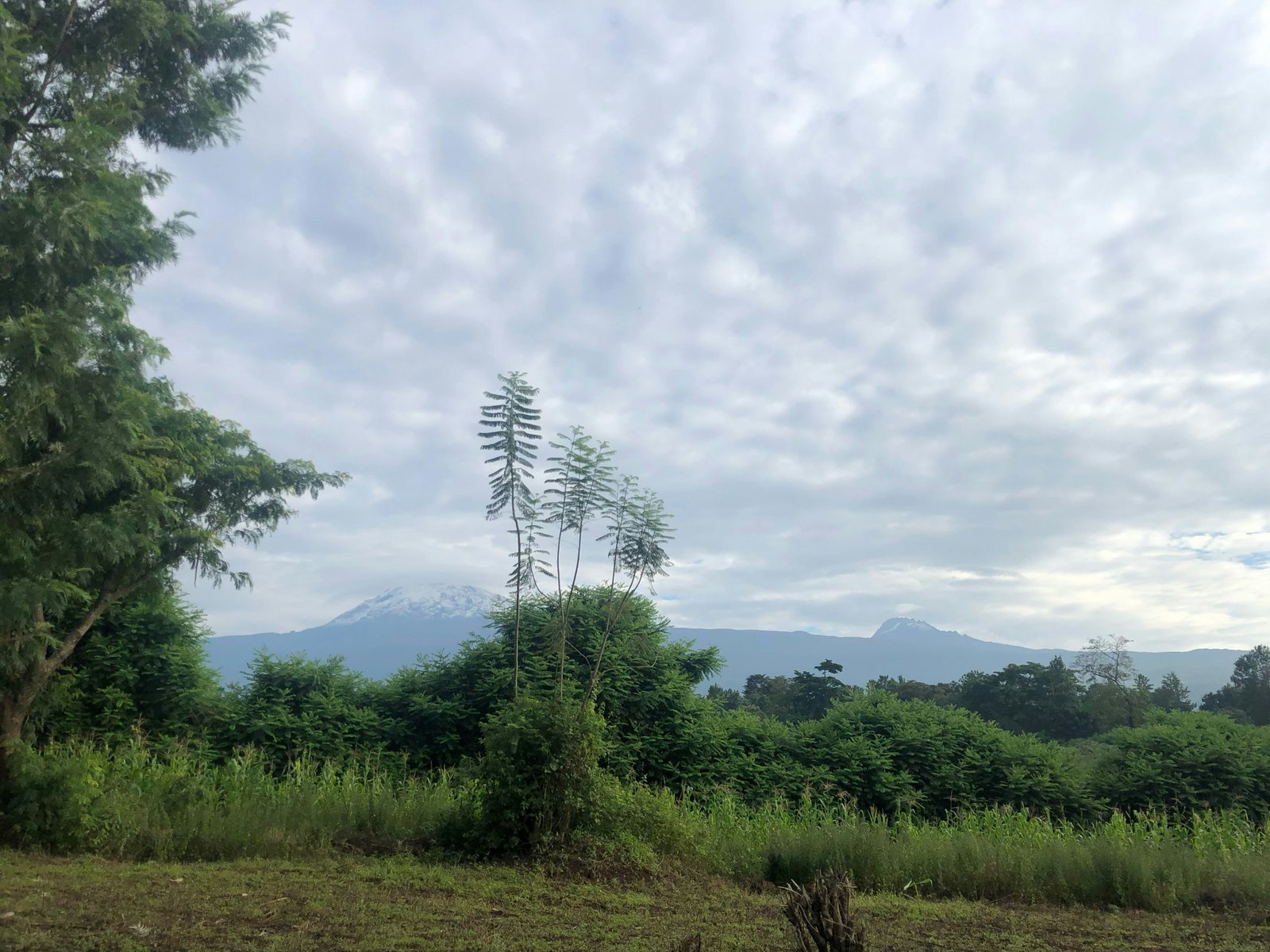
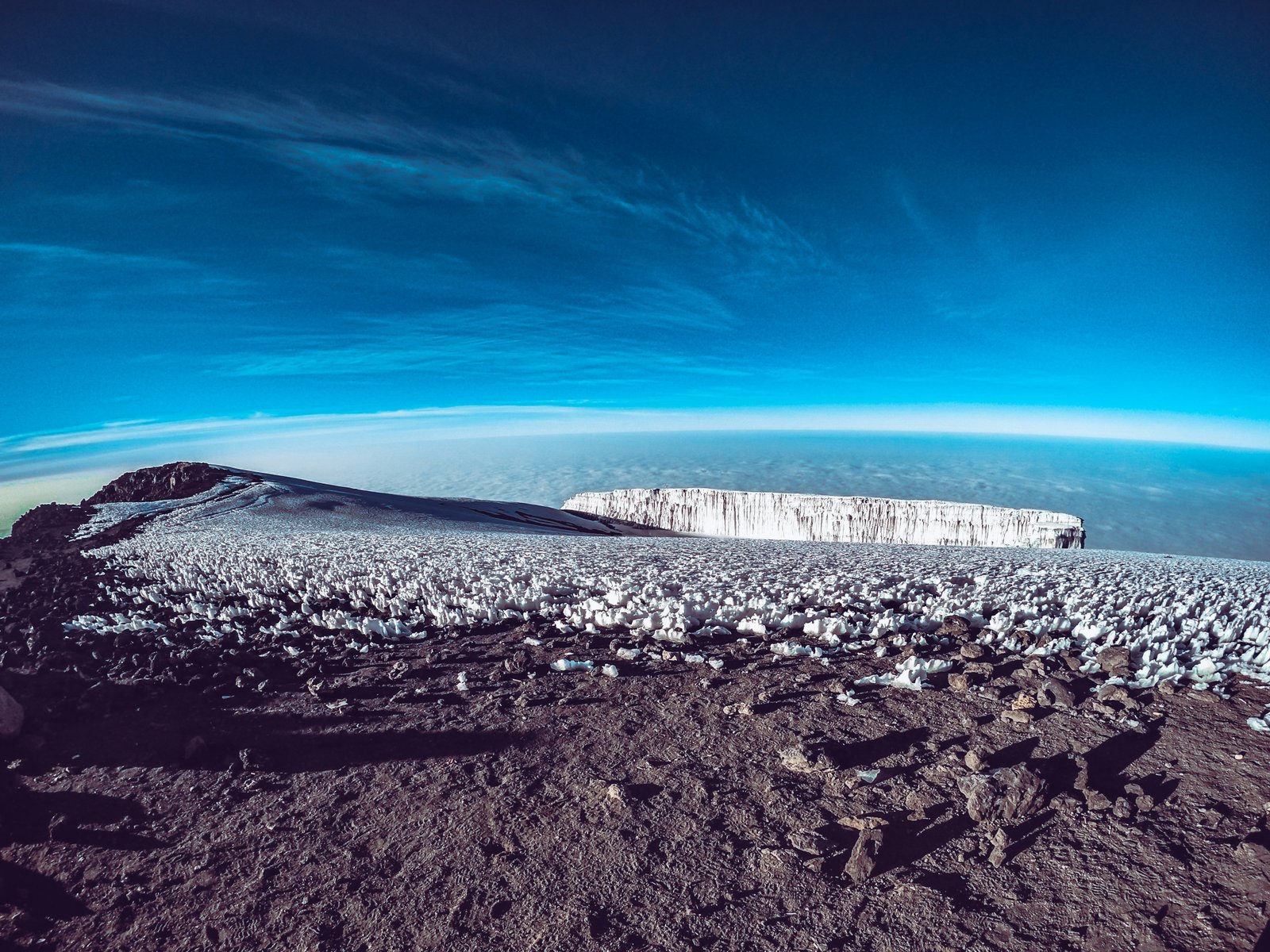
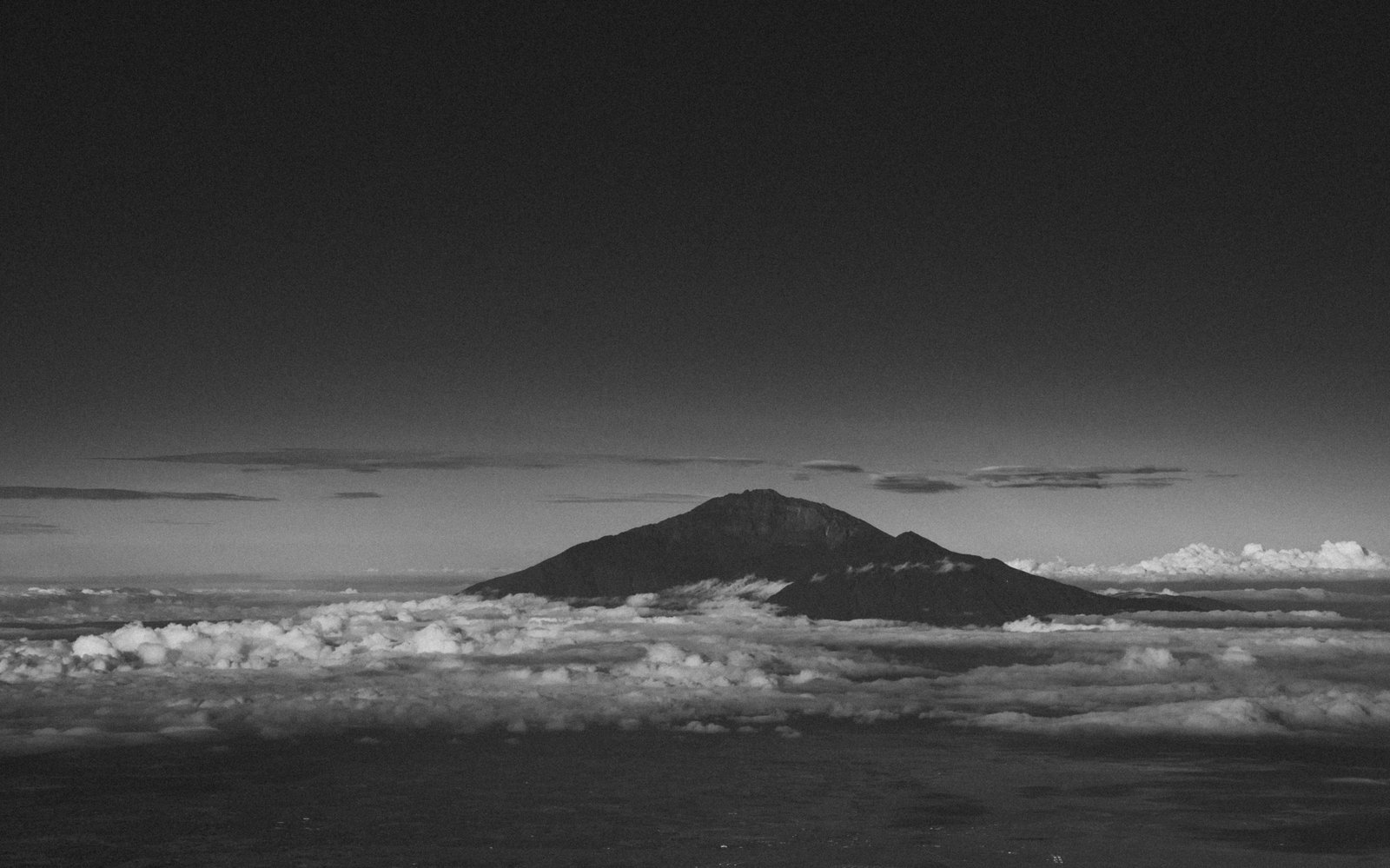
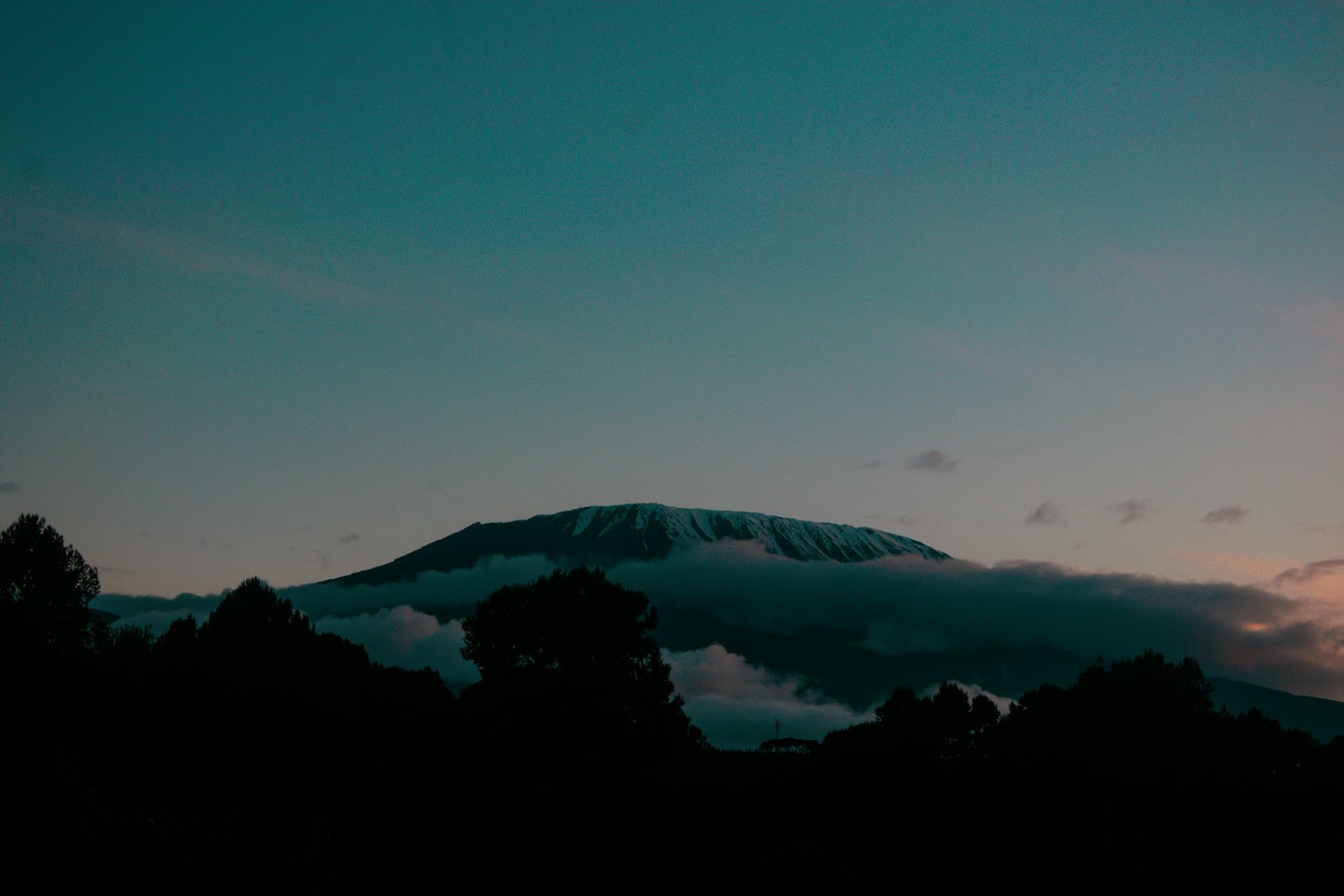
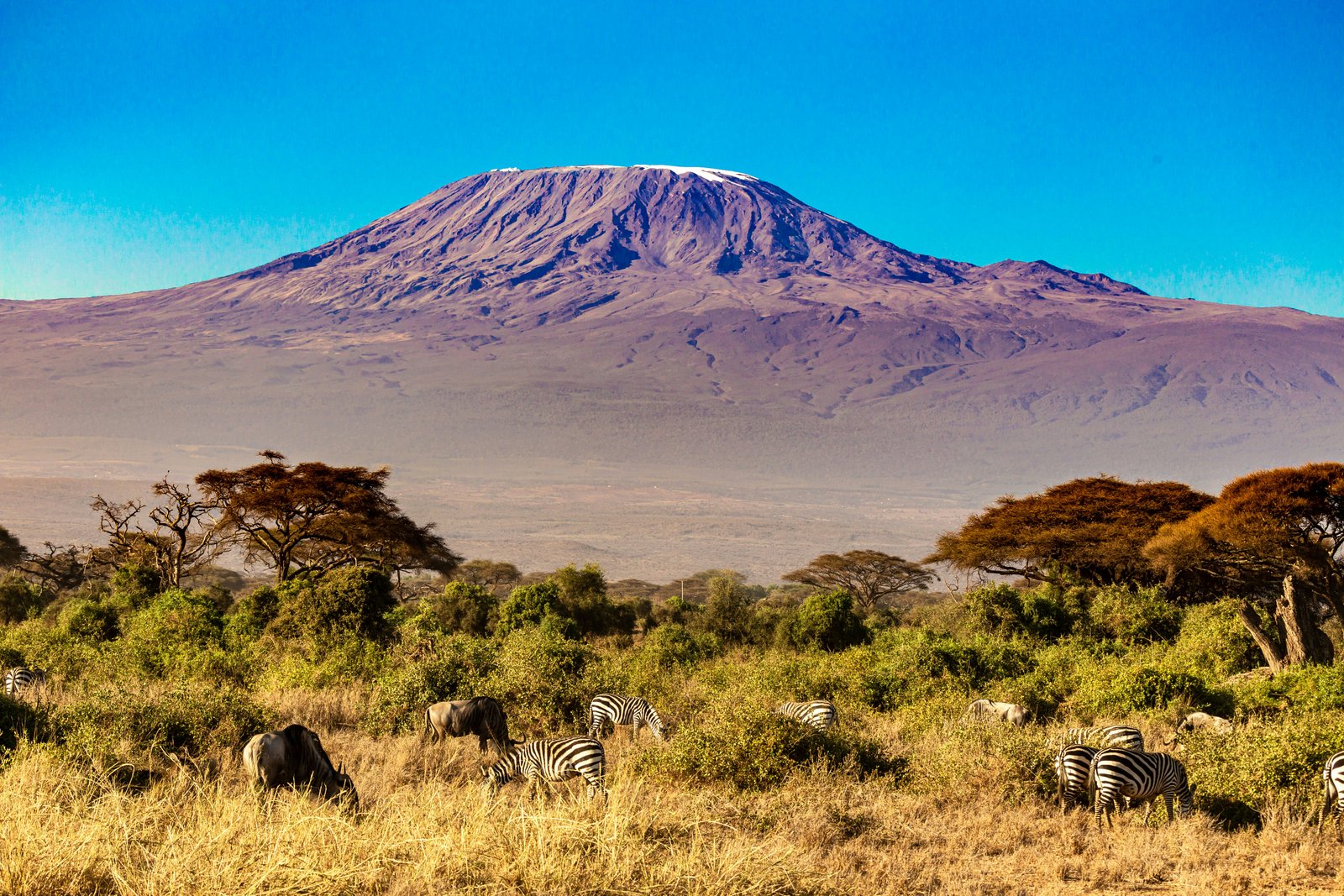
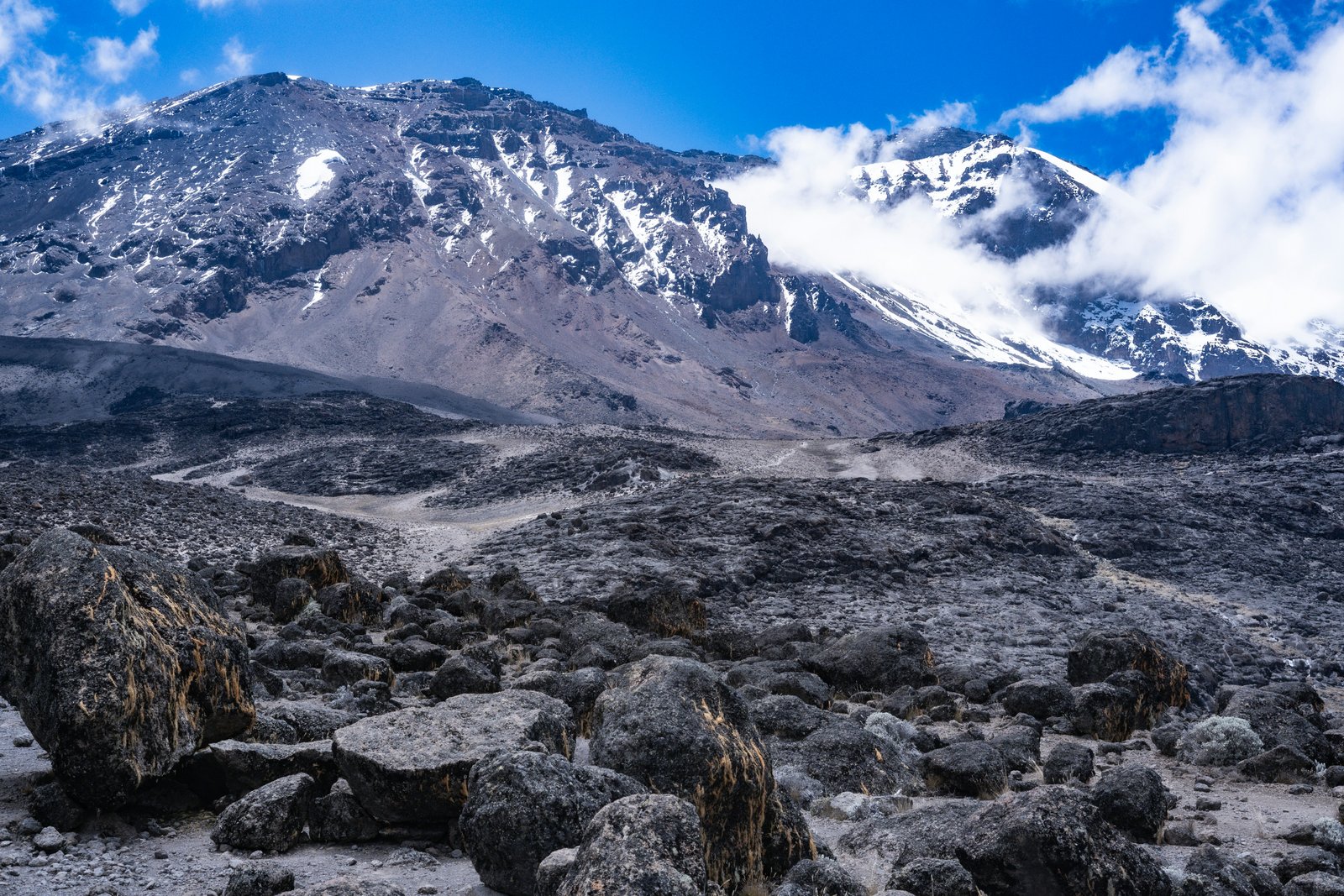
The summit sign at 5,895 metres and sunrise on the crater rim, headlamps strung up the Barranco Wall before dawn, and cloud forest giving way to alpine desert on the way up.
Guided Experiences on Kilimanjaro
Kilimanjaro requires a licensed guide by Tanzanian law on every route. The choice of operator, route, and acclimatization schedule has the single biggest impact on summit success rate. These are the routes most used by experienced operators.
Lemosho Route: 8 days
The highest success-rate route on Kilimanjaro. 8-day Lemosho approach with two acclimatization days, KINAPA-licensed guide and porter team, full camp service, and park fees included. Best panoramas of the southern ice fields.
Book Lemosho →Machame Route: 7 days
The "Whiskey Route": steeper and faster than Lemosho, with spectacular views from the Shira Plateau. 7-day Machame with full crew support. Most popular route on the mountain. Summit via Stella Point and Uhuru Peak.
Book Machame →Marangu Route: 5 days
The "Coca-Cola Route": the only route with hut accommodation instead of tents. 5 days via Mandara, Horombo, and Kibo huts. Lower success rate due to faster ascent profile. Best for those wanting hut sleeping.
Book Marangu →Links go to GetYourGuide for real-time availability. Check guide certifications and cancellation policy before booking.
Kilimanjaro is the tallest walk in the world. No ropes, no technical climbing, no glacier travel. Just altitude: 5,895m of it, in a body that started at sea level a week ago. The mountain is not technically hard, which is why it catches people: the routes look easy on paper, but 65% summit success means 35% of people who attempt it do not make it to the top. The difference is almost always acclimatization.
Five climate zones in one climb
Kilimanjaro passes through five distinct ecological zones on the ascent. The cultivated zone (800 to 1,800m) is coffee and maize farmland on the lower slopes. The montane forest (1,800 to 2,800m) is dense equatorial rainforest with Colobus monkeys, tree ferns, and moss-draped branches.
The heath and moorland zone (2,800 to 4,000m) transitions to giant heather, groundsel (Senecio), and open moor grass. The alpine desert (4,000 to 5,000m) is rocky, cold, and barren with almost no vegetation. The arctic zone above 5,000m is rock, ice remnants, and crater ash. Walking from jungle to arctic tundra in 5 days with no equipment other than warm clothing is the mountain's basic proposition.
Guided climb requirements
Kilimanjaro National Park regulations require all climbers to be accompanied by a licensed guide. The cost of a guided climb through a reputable operator (Lemosho 8-day) ranges from $2,000 to $3,500 USD per person, which includes park fees ($70 USD per day), guides, porters, cook, tents, and food.
Park fees alone account for $560 USD on an 8-day climb. Budget operators cutting below $1,500 USD are typically underpaying porters or providing inadequate equipment, both of which are ethical concerns and create safety risks. Kilimanjaro Porters Assistance Project (KPAP) maintains a list of operators who adhere to fair porter practices.
When to go
Two dry seasons: January to mid-March (warm, dry, some summit cloud) and June to October (cooler, clearest skies, highest summit success rates). July and August are peak season with the most climbers on route and the best overall weather at the summit.
April and May are the long rains; the mountain is climbable but the forest zones are wet and the summit is frequently in cloud. The mountain is open year-round; permits do not restrict access, only weather and acclimatization strategy affect outcomes.
How to get there
Kilimanjaro International Airport (JRO) has direct flights from Amsterdam (KLM), Nairobi (1h), Addis Ababa (Ethiopian), and Doha (Qatar). Arusha and Moshi: the two base towns: are both within 1h of the airport. Most climbers fly in 1 to 2 days early to adjust to altitude (~900m at Moshi) before the climb begins.
Moshi (50km from JRO, 1h) is the classic Kilimanjaro base town: small, focused, and easy to navigate with operators within walking distance of each other. Arusha (80km from JRO) is larger and the base for Serengeti and Ngorongoro safaris: convenient if combining Kili with a safari. Your operator arranges all transfers to and from the park gate.
A licensed guide is mandatory for all routes: solo trekking is not permitted. Park fees run $70–80 USD per day (included in most operator packages). The full 7-day Lemosho route costs $2,000–3,500 USD per person all-in. Yellow fever vaccination is required for entry into Tanzania. Tip your crew: guides, cooks, and porters depend on tips as a significant part of their income.
Where to sleep
Guesthouse · Moshi town
Moshi has a solid range of budget guesthouses in the town centre, most of which have experience supporting Kilimanjaro climbers: gear storage, early breakfast, and operator coordination. Kilimanjaro Backpackers and Buffalo Hotel are consistently well-reviewed for the pre-climb night.
Hotel · Moshi or Arusha
Several comfortable mid-range hotels in both Moshi and Arusha cater specifically to Kilimanjaro climbers with early breakfast, luggage storage, and operator partnerships. Ameg Lodge (Moshi) and Arusha Coffee Lodge are well-reviewed options that handle pre- and post-climb logistics smoothly.
Legendary Lodge · Arusha
A colonial-era coffee farm lodge outside Arusha with sweeping Kilimanjaro views on clear mornings, private cottages in a garden setting, and the most refined post-climb recovery experience near the mountain. Often used for a night before a Serengeti safari departure.
Common Questions
Altitude sickness (AMS) is the primary reason. The body takes time to adapt to reduced oxygen at high altitude, and rushing this process leads to nausea, severe headache, vomiting, and, in serious cases, pulmonary or cerebral oedema. The solution is acclimatization: choosing a longer route, walking slowly, following the "climb high, sleep low" principle, and not pushing through serious symptoms.
People who choose 5 or 6 day routes on the Marangu or short Machame are gambling on their individual acclimatization response. The 8-day Lemosho gives the body more time. Fitness helps with the physical exertion but does not substitute for acclimatization.
Diamox is a prescription medication that accelerates the body's acclimatization response by stimulating deeper breathing. The standard dose is 125mg twice daily, starting 24 hours before the high-altitude gain begins. Side effects include increased urination, tingling in the fingers and toes, and occasionally nausea.
It is not suitable for people with sulfa drug allergies. Discuss it with a travel medicine doctor before your trip; it is not mandatory but has a documented positive effect on AMS symptoms. It is available over the counter in Tanzania, but get a prescription from your doctor at home before travelling.
Kilimanjaro porters are hired through the tour operator and carry the group's camping equipment, food, and personal bags (maximum 20kg per climber in the main bag) between camps. A typical group of 4 climbers might have a guide, an assistant guide, a cook, and 6 to 10 porters.
Porters carry loads on their heads and backs at altitude while walking faster than most guided groups. The KPAP (Kilimanjaro Porters Assistance Project) monitors porter welfare and maintains a list of ethical operators who pay minimum wages, provide adequate clothing, and limit porter loads. Tipping porters is standard and expected; the range is $5 to $10 USD per porter per day, collected and distributed by the guide on the final night.
Altitude illness is the primary medical risk. High altitude cerebral oedema (HACE) and high altitude pulmonary oedema (HAPE) are both potentially fatal if descent is delayed. Good guides carry a pulse oximeter and monitor blood oxygen saturation throughout the climb; a reading below 70% at lower camps is a warning sign.
Emergency evacuation is by stretcher carry to lower altitude; helicopter evacuations are rare as landing at high altitude is difficult. Travel insurance with emergency evacuation cover is strongly recommended; a helicopter evacuation from Kilimanjaro can cost $15,000 to $30,000 USD without insurance.
Uhuru Peak (5,895m) is a flat area on the crater rim with a wooden sign and the Tanzanian flag. The crater below is a collapsed caldera with remnant glacier patches; the glaciers have retreated dramatically since 1912 and now cover a small fraction of the crater floor.
The view at sunrise from the summit extends over a sea of cloud covering the Tanzanian plains; the curvature of the Earth is perceptible. Most people at the summit are cold, oxygen-deprived, and emotionally spent; the 5 minutes at the sign before starting the descent are unlike most other moments in travel. Many people cry, which is reported to be related to both the achievement and the immediate recognition that they have to walk down.