Zion’s Most Iconic Routes
Zion packs an extraordinary range of experiences into a compact canyon. From a serene two-kilometer rim walk to a full-day wade through a slot canyon river, every trail here has a character entirely its own.
Angels Landing
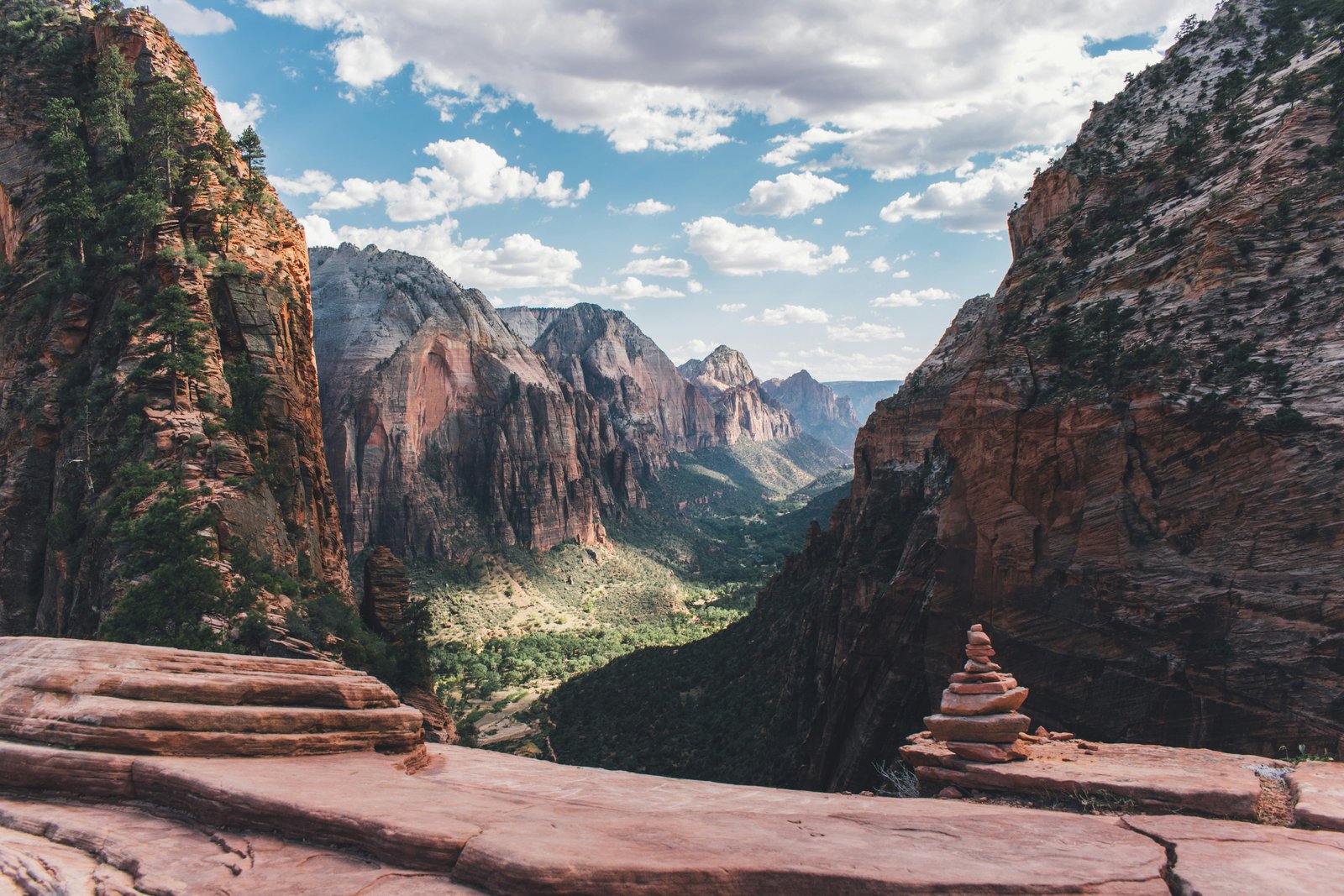
Zion’s defining challenge follows a paved trail through Refrigerator Canyon before the switchbacks of Walter’s Wiggles deliver you to Scout Lookout. The final 800 metres traverse a narrow sandstone spine with chains bolted into the rock — 600 m of exposure on either side. The summit view is unforgettable, but so is the process of getting there.
Tip: A permit is required via lottery on recreation.gov. Day-before and day-of walk-up permits are also available in limited numbers — check the app at 7 am.
The Narrows (Bottom-Up)
The bottom-up Narrows starts at the Temple of Sinawava and immediately transitions from a riverside path into the Virgin River itself. You wade through knee-to-chest-deep water between walls that narrow to as little as 6 metres wide, with sunlight reaching the canyon floor for only a brief window each day. Go as far as Big Springs for a full-day adventure.
Tip: Rent neoprene socks and canyoneering boots from outfitters in Springdale — the river is cold year-round and slippery without the right footwear.
Canyon Overlook Trail
A short but rewarding trail starting just east of the Zion-Mount Carmel Tunnel. The path winds through slickrock and pine before opening to an elevated view of Zion Canyon and the Great Arch. This is one of the few trails accessible by private vehicle without a shuttle, making it ideal for a quick morning hike before the park fills up.
Tip: Park in the small pullout immediately east of the tunnel entrance. Arrive before 9 am or after 5 pm to find a spot easily.
Zion National Park in Photos
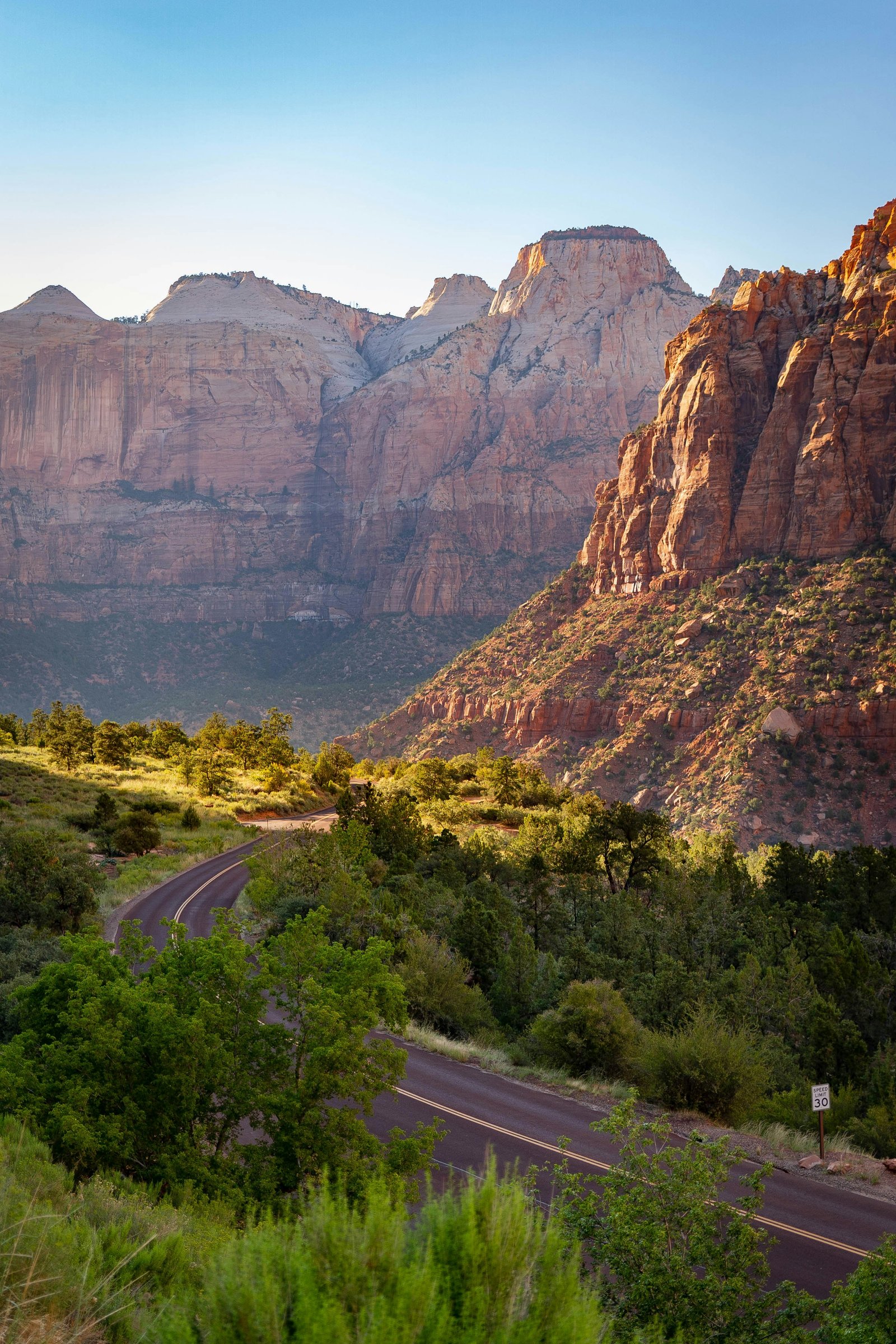
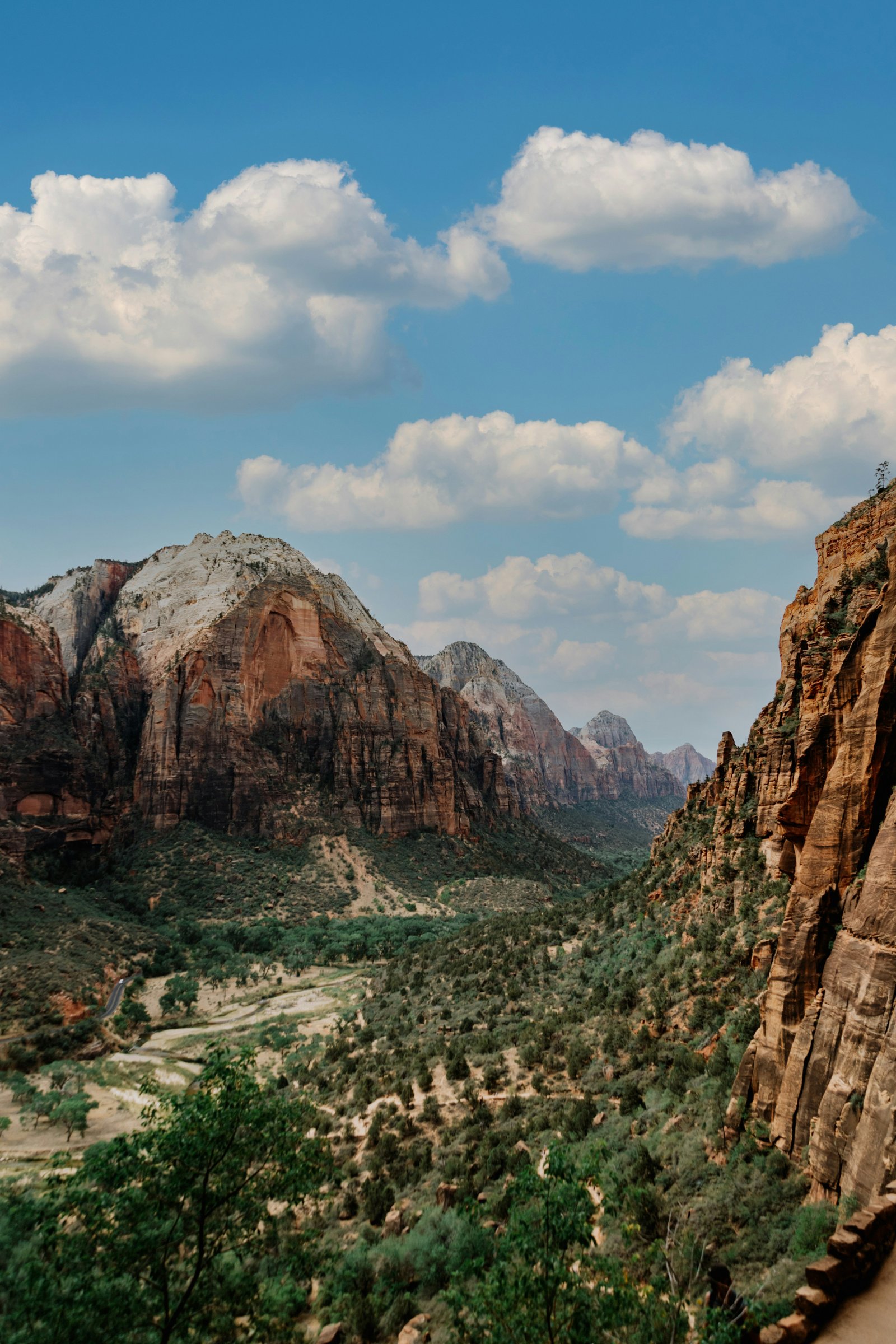
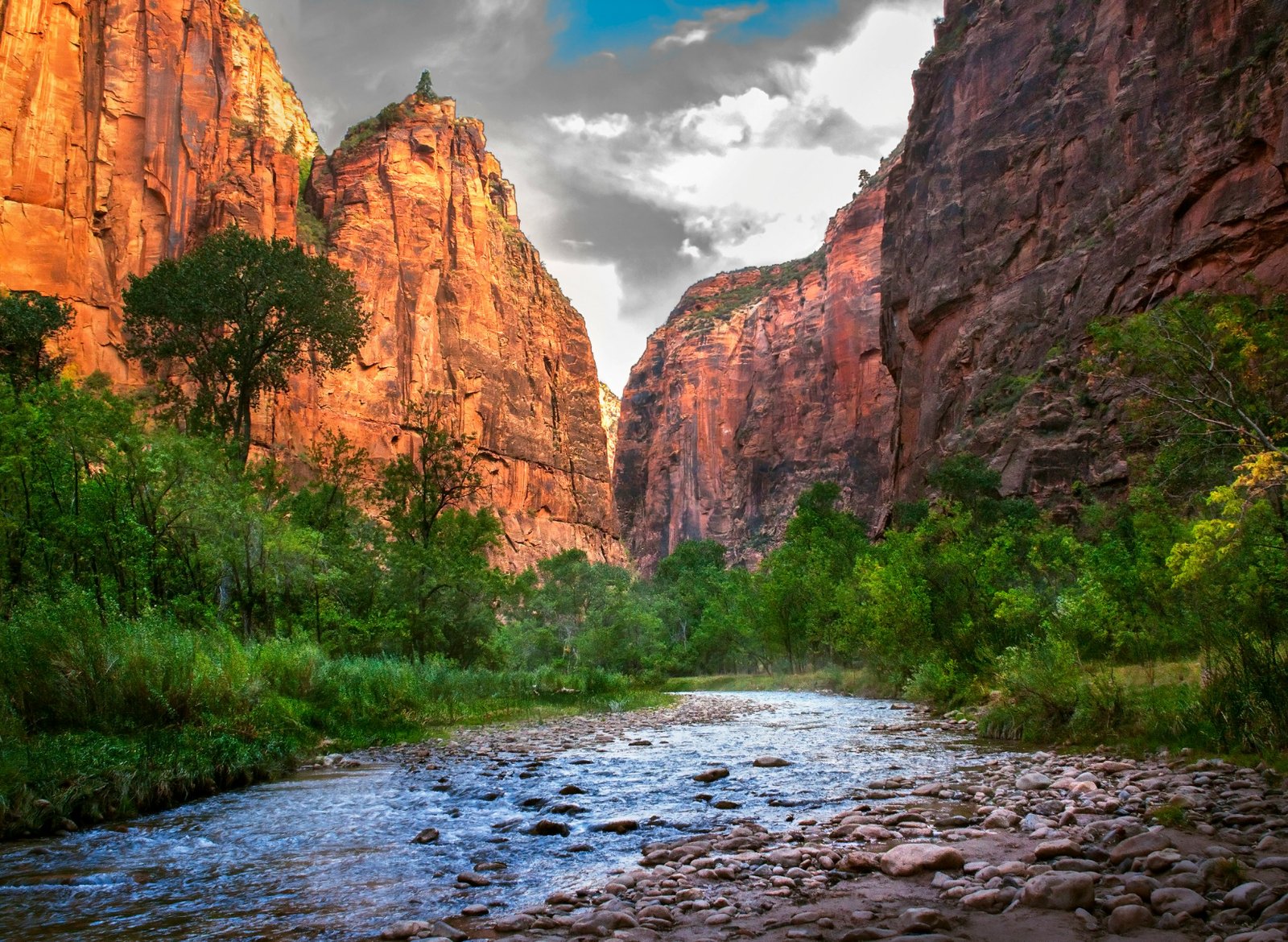
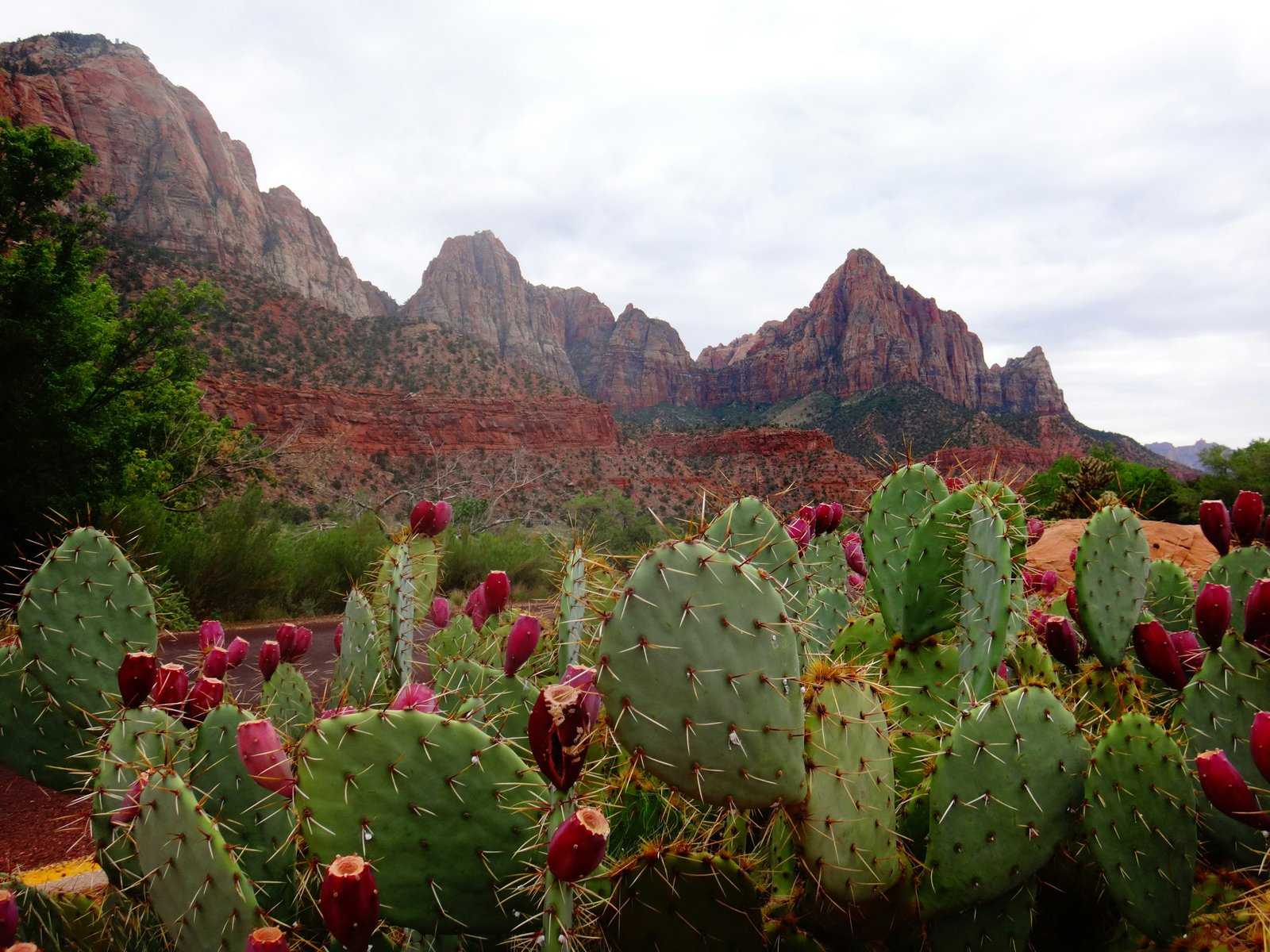
The Narrows cut between sandstone walls, chain holds along the Angels Landing ridge, and the Virgin River running through it all.
Best time, daylight and what to pack
Guided Experiences in Zion
Zion is one of the best places in the world for canyoneering: narrow slot canyon descents requiring ropes, wetsuit, and technique. Guided permits exist for Subway and Zion Narrows that are otherwise difficult to obtain.
Zion Narrows guided wading
Guided full-day Narrows walk from the bottom up through the Virgin River gorge in the heart of Zion. Dry suits, canyoneering boots, and walking sticks provided. Interpretive guide included.
Book Narrows →The Subway canyoneering
Technical slot canyon descent through Left Fork (The Subway): rappels, swims, and the famous tubular canyon. Full-day technical descent with a licensed guide. Permit included. Wetsuit required.
Book The Subway →Angels Landing guided hike + permit
Guided Angels Landing hike with permit assistance and chain section guidance. The final chain section to the summit is exposed: guides help with positioning and pacing on the exposed traverse.
Book guided hike →Links go to GetYourGuide for real-time availability. Check guide certifications and cancellation policy before booking.
Zion Canyon was carved by the Virgin River over millions of years through Navajo sandstone, creating 300-metre vertical walls in shades of cream, pink, and red. The result is one of the most visually dramatic places on Earth — and one of the most visited national parks in the United States.
Angels Landing Permit: What You Need to Know
Since 2022, the final chains section of Angels Landing requires a permit. The permit system runs as a lottery through recreation.gov, with two windows: a seasonal lottery that opens months before your visit and a day-before/day-of lottery for last-minute availability.
Permits are per person and non-transferable. The seasonal lottery is the more reliable route — apply as early as possible. If you do not get a permit, Scout Lookout at the top of Walter’s Wiggles is still an exceptional destination with views that rival the summit, and it requires no permit whatsoever.
Narrows Flash Flood Risk
The Virgin River Narrows is a slot canyon. Flash floods can occur even when skies above you are completely clear, triggered by storms dozens of kilometres upstream. The NPS posts daily Narrows flash flood forecasts at the Visitor Center and on their website — check these before you enter the water, not when you are already inside.
If you see water suddenly change colour to brown, hear a roaring sound, or notice debris floating past, move immediately to the highest ground available. Outfitters in Springdale who rent equipment will brief you on current conditions and will tell you honestly if the canyon is unsafe that day.
The Shuttle: No Car in the Main Canyon
From late spring through early autumn, private vehicles are not permitted on Zion Canyon Scenic Drive. The park’s free shuttle system runs from the Visitor Center to the Temple of Sinawava, stopping at all major trailheads.
Shuttles run frequently, but the wait at popular stops on summer weekends can stretch to 45 minutes. The Springdale town shuttle connects to the park entrance for free, which means you can stay in town and leave your car at your hotel entirely. Arriving at the Visitor Center before 8 am puts you ahead of the worst crowds.
When to Go
March through May and September through November are Zion’s prime windows. Temperatures are comfortable, the river levels are more predictable, and the park’s crowd pressure is somewhat lower. Summer is Zion’s busiest season by far — crowds peak in July and August, temperatures in the canyon approach 40°C, and shuttle waits grow long.
The Narrows are actually enjoyable in summer because wading a cold river in the heat feels wonderful. Winter brings solitude and the chance of snow on the canyon walls, which is visually spectacular but some trails become icy.
How to get there
Fly to Las Vegas (LAS), then drive 2.5h northeast on I-15 to the park entrance. Also from Salt Lake City (SLC), 4.5h south on I-15. St. George, UT (50km from Zion) is the nearest town with rental cars and accommodation.
Private vehicles are banned on Zion Canyon Scenic Drive in peak season. Free park shuttles connect the Visitor Center to all trailheads. The Springdale town shuttle links hotels in town to the park entrance: stay in Springdale and leave your car at the hotel.
$35 per vehicle, valid 7 days. Angels Landing chains section requires a separate permit (recreation.gov lottery). No permit needed for Scout Lookout, which gives you 80% of the view. The Southwest road trip classic pairs Zion with Bryce Canyon (90 min northeast).
Where to sleep
Watchman Campground · inside the park
The main campground in Zion Canyon, walking distance to the Visitor Center and shuttle stop. Year-round reservations via recreation.gov. Book as early as possible for April through October.
Hotel · Springdale
Springdale has a good mix of mid-range hotels within walking or shuttle distance of the park entrance. Cable Mountain Lodge and Bumbleberry Inn offer comfortable rooms with canyon views.
Zion Lodge · inside the canyon
The only accommodation inside Zion Canyon, surrounded by the red sandstone walls. Rustic cabins and motel-style rooms. The evening light on the canyon from the lodge terrace is extraordinary.
Common Questions
Permits are issued through recreation.gov via a lottery system. The seasonal lottery opens several months ahead of your visit date — check the NPS Zion website for exact windows. A smaller day-before and day-of lottery also exists, with results released at 7 am on the recreation.gov app.
Permits are per person, not per group, and you must present them on the trail. If you do not score a permit, the trail to Scout Lookout (below the chains) remains open without a permit and is still an outstanding hike.
Check the NPS flash flood forecast before every visit, not just local weather. Thunderstorms over the Kolob Plateau — far from where you can see sky — can trigger a flash flood in the Narrows within minutes.
The park posts a daily risk rating (low / moderate / high) at the Visitor Center. On high-risk days the Narrows may be closed entirely. Never enter the slot canyon section if the rating is high, and always have an escape plan if conditions change while you are inside.
Spring (March to May) and autumn (September to November) offer the best combination of comfortable temperatures, manageable crowds, and stable weather. April is peak wildflower season and canyon colours are vivid.
October brings a golden cottonwood display along the canyon floor. Summer is the most crowded period and midday temperatures exceed 38°C — if you must go in summer, start every hike before 7 am and be back at the shuttle by noon.
The trail to Scout Lookout is a steep but well-maintained switchback hike that most moderately fit people can complete. The final 800-metre chains section is a different challenge entirely — it involves scrambling along an exposed narrow ridge with significant drop-offs on both sides.
It is not technically climbing, but it requires comfort with exposure. If heights cause you anxiety, Scout Lookout is a genuine and satisfying alternative summit. Fatalities have occurred on the chains section, mostly from falls, which is why the permit system now controls access.
The Visitor Center parking lot fills by 8 am on most spring and summer days. The best strategy is to stay in Springdale and use the free town-to-park shuttle, which picks up along Zion Park Blvd and drops you at the Visitor Center.
If you drive, the Zion Human History Museum lot is a slightly less congested option. Once inside the park during peak season, private vehicles cannot drive the main Scenic Drive — you board the free park shuttle from the Visitor Center for all canyon trailheads.