Trails in Aigüestortes
The park has two main access points: Boí on the west side and Espot on the east. Most hikes are loop or point-to-point routes between lakes; the full traverse connects both sides.
Estany de Sant Maurici
Sant Maurici is the iconic lake of the park — a broad glacial lake at 1,910m with the twin granite peaks of Els Encantats (2,748m and 2,738m) rising directly from its eastern shore. The walk in from Espot (or from the taxi drop-off at the park entrance) follows a flat track through pine forest before opening to the lake shore. The reflection of Els Encantats in the lake on a still morning is the definitive image of the Pyrenees. The lake is large enough to walk around in about 45 minutes and the surrounding meadows are at their most vivid in July when wildflowers are at peak. This is the easiest access point in the park and can be done by visitors of any fitness level.
Aigüestortes Sector (Boí Valley)
The Aigüestortes sector on the western side of the park is named for its "twisted waters" — a series of braided streams, marshland, and small lakes spread across a wide glacial plain. The loop from Boí passes the Llong lake, the Llebreta lake, and traverses the central marshland with the granite ridgeline of the park's interior visible throughout. This is the best hike for seeing the breadth of the park landscape: forest, wetland, high alpine meadow, and rocky peaks in a single loop. Pyrenean chamois (isard) are regularly seen on the higher slopes in the early morning.
Carros de Foc (Full Traverse)
The Carros de Foc (Chariots of Fire) is the most celebrated multi-day route in the Pyrenees: a 55km circuit connecting nine mountain refuges inside the national park. The route links the Boí and Espot sectors via high passes (ports) that cross above 2,700m, with lake chains, glacier remnants, and continuous ridge-top views throughout. The refuges offer dinner, breakfast, and bunk beds with reservation; camping inside the park is restricted to designated areas. The name comes from the lights of the old charcoal burners seen moving through the high valleys at night. The circuit can be walked in either direction; most go counterclockwise (Boí to Espot and back).
Colomers Lakes (Espot Sector)
The Colomers circuit in the upper Espot sector crosses the Portarró d'Espot pass (2,420m) and descends into the Colomers basin — a glacially carved bowl containing 17 lakes within a 2km radius. The concentration of water at this altitude is remarkable: lakes at different levels, connected by falls and streams, with granite walls on three sides. The circuit returns via the Monestero lake and drops back through forest to Sant Maurici. This is the best single-day hike in the park for combining altitude, lake density, and views — and is significantly less crowded than the Sant Maurici lake itself.
Guided Experiences in Aiguestortes
Aigüestortes i Estany de Sant Maurici is Spain's highest national park and one of the most lake-dense landscapes in Europe. Guided hikes, multi-day GR 11 sections, and winter snowshoe tours cover the full range of terrain.
Guided summit hike to Besiberri
Day hike to Pic de Besiberri Nord (3,030m) or Comaloforno (3,029m) with an ACNA-certified Pyrenees guide. Off-trail navigation and basic scrambling. Starts from Cavallers reservoir.
Book summit hike →GR 11 section guided trek
Guided 3-day section of the GR 11 Transpirenaica across the heart of the park, with overnight in mountain refugios. Linking Boí valley to Espot via the high lakes and the Portarró d'Espot pass.
Book GR 11 section →Photography tour at sunrise
Golden hour guided photography walk to Estany de Sant Maurici with the Encantats twin peaks reflected in the lake. The light window at sunrise is 20 minutes — position and composition guidance included.
Book photo tour →Links go to GetYourGuide for real-time availability. Check guide certifications and cancellation policy before booking.
Aigüestortes was designated as a national park in 1955, making it the oldest national park in Catalonia and one of the few in the Iberian Peninsula. The landscape is high-alpine Pyrenean: granite massifs shaped by glaciers that retreated 12,000 years ago, leaving behind the lakes, cirques, and moraines that define the park today. The park sits at the headwaters of four Pyrenean rivers and receives enough snowfall each winter to keep the high passes snow-covered until late June.
How to get there
Drive 3 to 3.5 hours northwest via the A2/C-14 to Lleida then north into the Pyrenees. The eastern entrance (Espot) and western entrance (Boí) each require a separate approach — plan for one entrance per day or stay multiple nights. No direct public transport from Barcelona.
Private vehicles are not permitted inside the park. Jeep taxis (taxis todoterreno) run from both Espot and Boí villages to the interior trailheads — a shared jeep is ~€7-10 per person each way. They run frequently in summer and are the only way to access the inner lakes without walking 4km of road each way.
No park entry fee. Parking at Espot or Boí costs €6-10/day. The village of Taüll (3km from Boí entrance) is worth a separate visit for the 12th-century Sant Climent church, one of the finest Romanesque buildings in Spain. Allow at least 2 nights to see both park sides properly.
When to go
July through September is the main hiking window. The high passes are snow-free from late June and remain clear until the first October snowfall, which can arrive early in some years. September is the best month: fewer people than July-August, stable weather, and the first hints of autumn colour in the forest. July and August have reliable conditions but the refuges and trails are at their busiest. June offers solitude and green landscapes but some passes may still be snow-covered — check with the park before attempting passes above 2,400m.
Where to sleep
Carros de Foc refugis · inside park
Nine mountain refuges form the classic Carros de Foc circuit inside the park. Dormitory bunks with dinner and breakfast included. Reserve at least 2 months ahead for July and August. Bunk prices are set by the Catalan park authority.
Guesthouse · Espot or Boí
Both entrance villages have small guesthouses and rural tourism apartments. Espot is slightly quieter; Boí is closer to the Romanesque churches of the Vall de Boí (UNESCO). Either makes a good 2-night base for day hikes into both park sectors.
Rural hotel · Noguera Pallaresa valley
The Noguera Pallaresa valley south of the park has several restored rural hotels and mas (Catalan farmhouses) with pool, local tasting menus, and a quieter Pyrenean valley atmosphere. A comfortable base that works equally well for the park and the Vall de Boí churches.
Aiguestortes in Photos
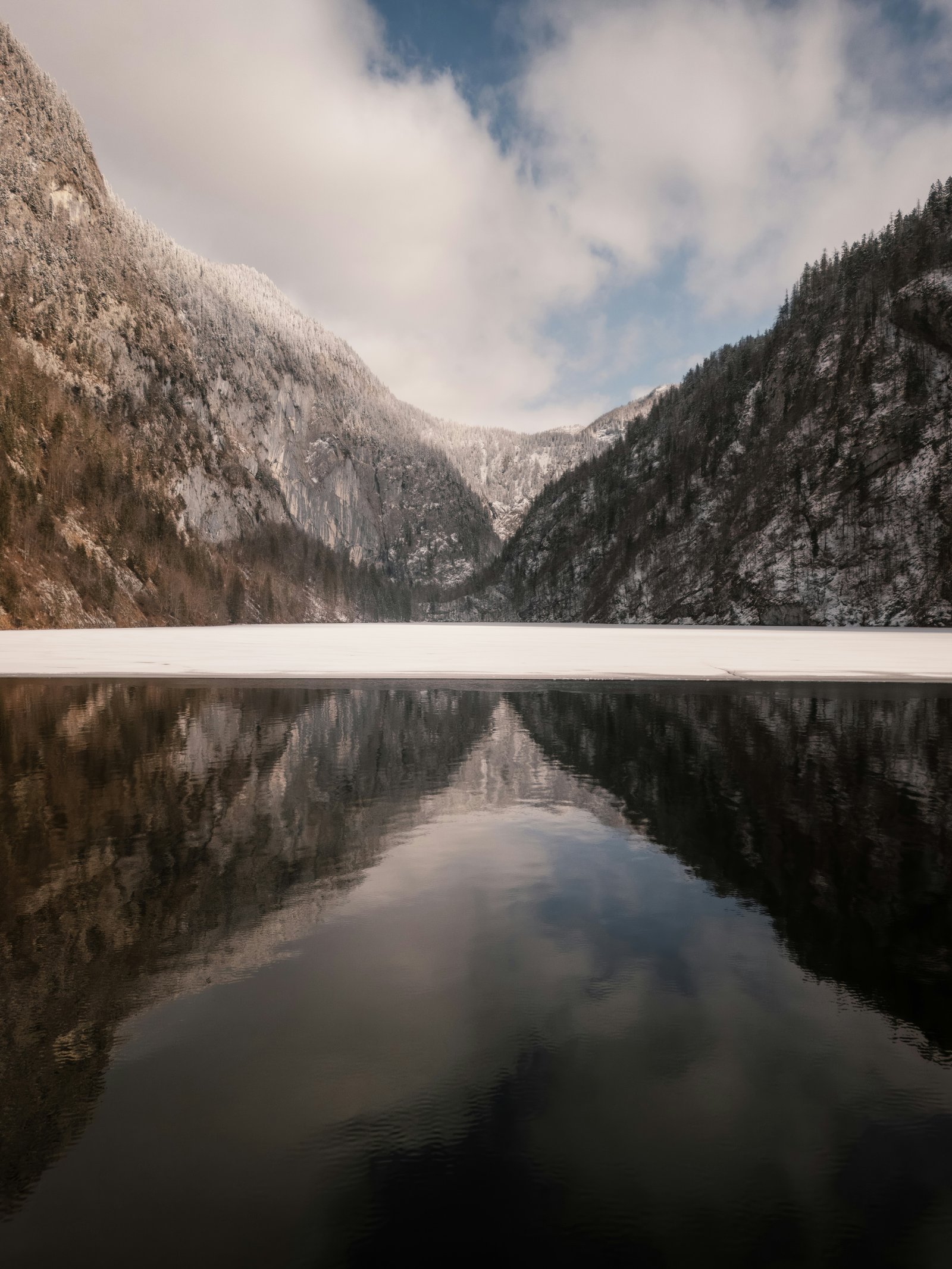
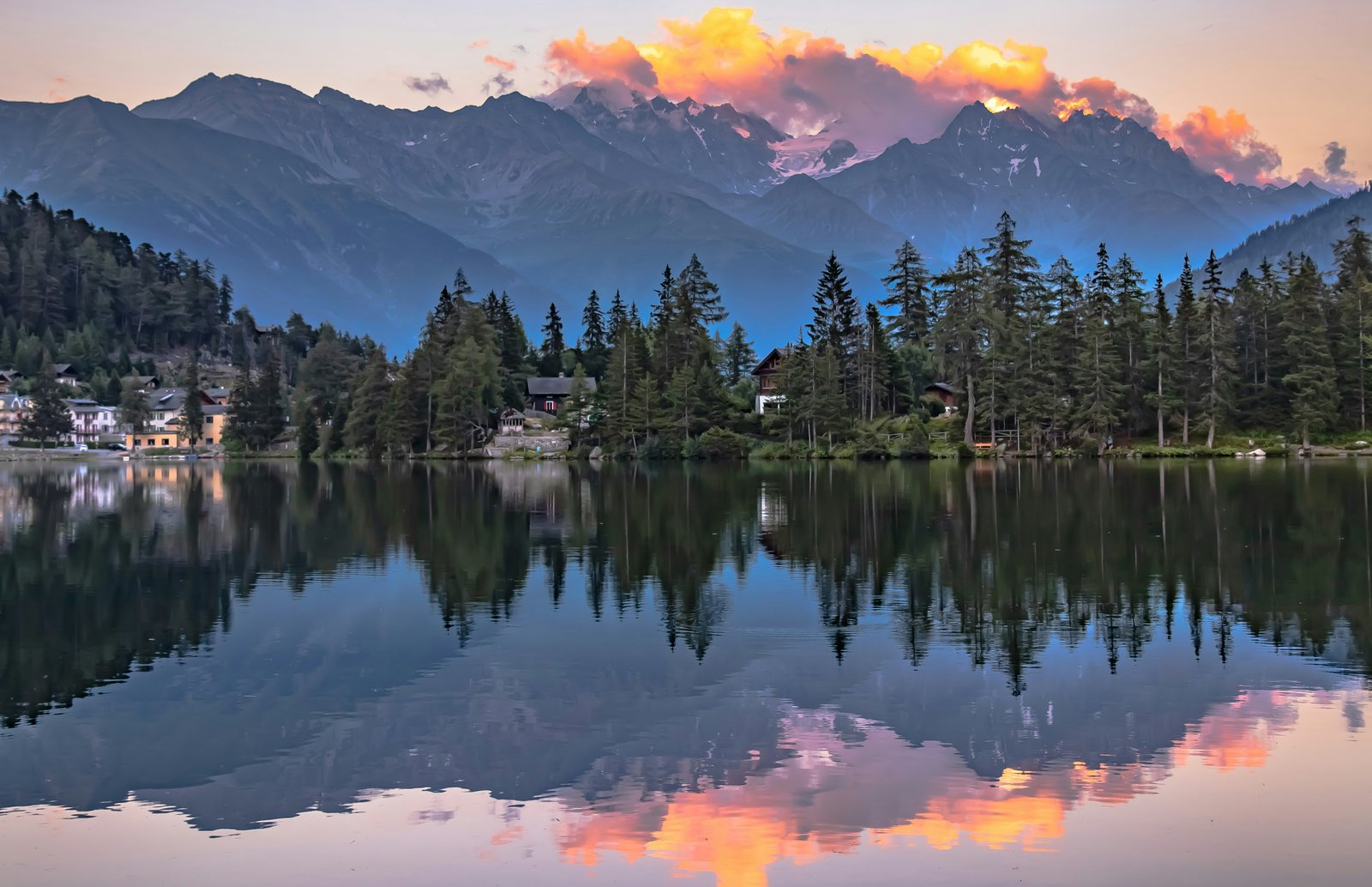
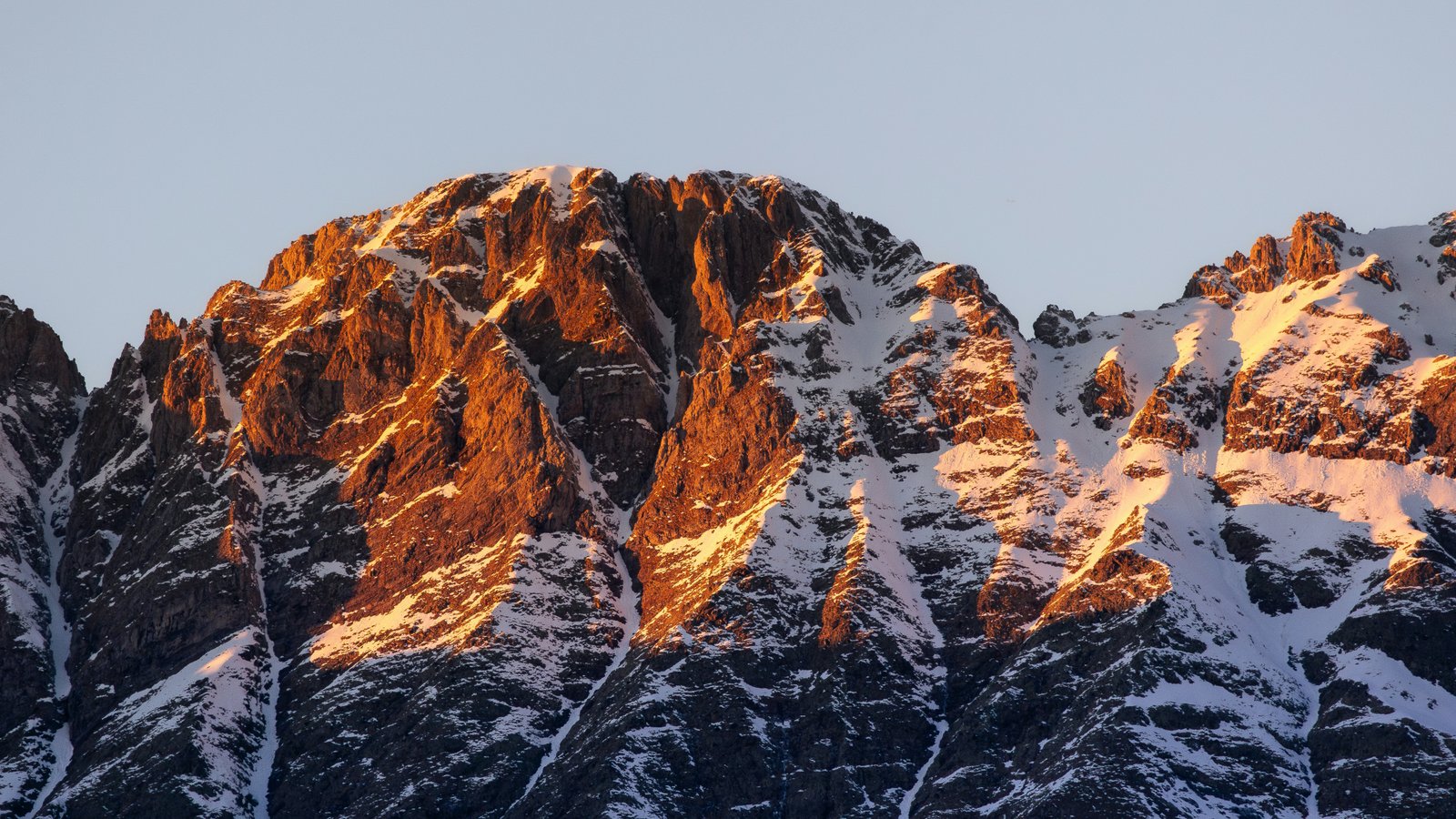
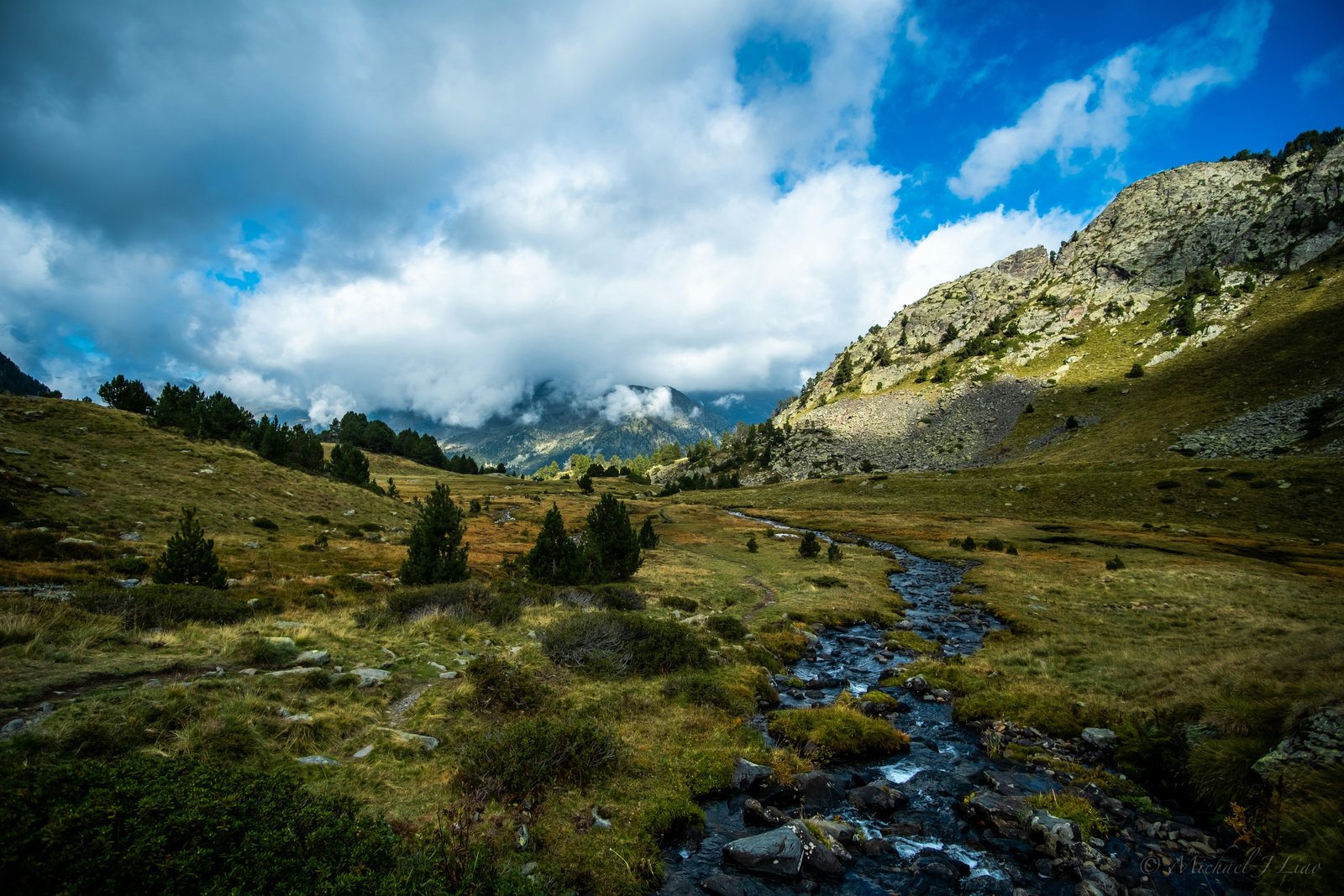
Crystal-clear alpine lakes mirroring granite peaks, thick forests lining the valley floors, and high passes where Pyrenean chamois roam above 2,000 metres.

Common Questions
Catalan is the primary language in the park villages and the refuge staff mainly speak Catalan and Spanish. English is limited in this part of the Pyrenees. Basic Spanish gets you through accommodation, restaurants, and trail directions. The Carros de Foc website and most refuge booking systems operate in Catalan and Spanish. Google Translate handles the practical needs well. The park ranger stations at Espot and Boí have staff who speak some English.
Each refuge books independently through its own website or by phone. There is no central reservation system for the full circuit. You need to contact and book each of the nine refuges separately for your planned nights. Most refuges open their booking for July and August in March or April of the same year. By May, the most popular dates are often full. The Carros de Foc official website lists all nine refuges with contact details. Booking in Catalan or Spanish is often required — email works better than phone for non-Spanish speakers.
Technically yes for the Sant Maurici lake, which is the most accessible point. Leaving Barcelona at 6am, you arrive at Espot by 9am, walk to the lake and back, and are back in Barcelona by 9pm. However, the drive is 3 hours each way on mountain roads and you spend 6 hours travelling for 3 to 4 hours in the park. A minimum 2-night stay in Espot or Boí gives you two full days of hiking, which is the right amount to see both sectors of the park at a non-rushed pace.
Yes. Pedraforca (2,497m) is the most iconic individual summit in Catalonia — a dramatic forked limestone peak visible from 100km away on a clear day, reached in a 4 to 5 hour hike from Saldes. The Vall de Núria is accessible only by rack railway and has good walking in the upper valley. The Cap de Creus park at the Mediterranean end of the Pyrenees is completely different — coastal walks, wind-shaped rock, and the easternmost point of the Iberian Peninsula. All are worth separate trips and add different character to a Catalan outdoor itinerary.
Pyrenean chamois (isard) are the most commonly seen large mammal — herds of 10 to 30 animals are regularly visible on rocky slopes above 2,000m, particularly in the Colomers sector and around the high passes. Brown bears (oso pardo) have been reintroduced to the Pyrenees and a small population exists in the Aragonese sector; sightings in Aigüestortes are rare but possible. Bearded vultures (quebrantahuesos) are regularly seen soaring above the park. Golden eagles, marmots, and Pyrenean desman (an aquatic mole) round out the notable fauna.