Hikes Around Lake Atitlán
The lake is the backdrop. The hikes are what make it worth staying more than a day.
Volcán San Pedro (3,020m)
San Pedro Volcano rises directly from the lake shore to 3,020m and is the most climbed summit around Atitlán. The trail starts at the edge of San Pedro La Laguna village and climbs steeply through coffee plantations, then cloud forest, then open volcanic rock to the summit.
The top gives a 360-degree view over the entire lake and all three volcanoes from above. On a clear morning the lake is visible far below in three directions, flanked by Atitlán and Tolimán to the southeast and the Pacific Ocean visible on the horizon to the south. A guide is required for the ascent; park rangers and guide associations in San Pedro La Laguna manage access.
Indian Nose (Nariz del Indio) Sunrise
The Indian Nose (Nariz del Indio) is a ridge above San Juan La Laguna whose silhouette, when viewed from the south side of the lake, resembles a reclining human face looking skyward. The hike to the viewpoint begins at 4am from San Juan and climbs through cornfields and forest to the ridge by sunrise.
The view at dawn is one of the signature images of Atitlán: the lake surface completely still, wrapped in morning mist, with the three volcanoes emerging above the cloud as colour returns to the sky. The ridge sits at around 2,050m, giving a 500m elevation above the lake surface. The hike is moderate in difficulty — steep in sections but short enough to complete in under 2 hours from San Juan.
Village Hiking Trail (San Pedro to San Marcos)
A lakeside trail connects the villages of San Pedro La Laguna and San Marcos La Laguna along the western shore. The path runs close to the water in some sections and climbs above the shoreline in others, passing through Tzununa and other small hamlets.
The walk offers continuous views across the lake to the volcanoes. San Marcos La Laguna is the most serene of the lake villages and worth spending a few hours in before returning by lancha (water taxi). The lakeside path is well-marked and safe during daylight hours; it is a good afternoon activity after a morning volcano hike.
Cerro de Oro
Cerro de Oro (2,020m) is a smaller summit on the southern shore of the lake, between the villages of Santiago Atitlán and San Lucas Tolimán. Less climbed than San Pedro and significantly less touristic, the trail offers views of the full Tolimán-Atitlán volcanic complex from the north face side.
The hike starts from the village of Cerro de Oro on the south shore and climbs through agricultural land and forest to the summit. A local guide is recommended for route-finding; the trail is less marked than San Pedro. The south shore is accessible by lancha from Panajachel or San Pedro.
Lake Atitlán in Photos
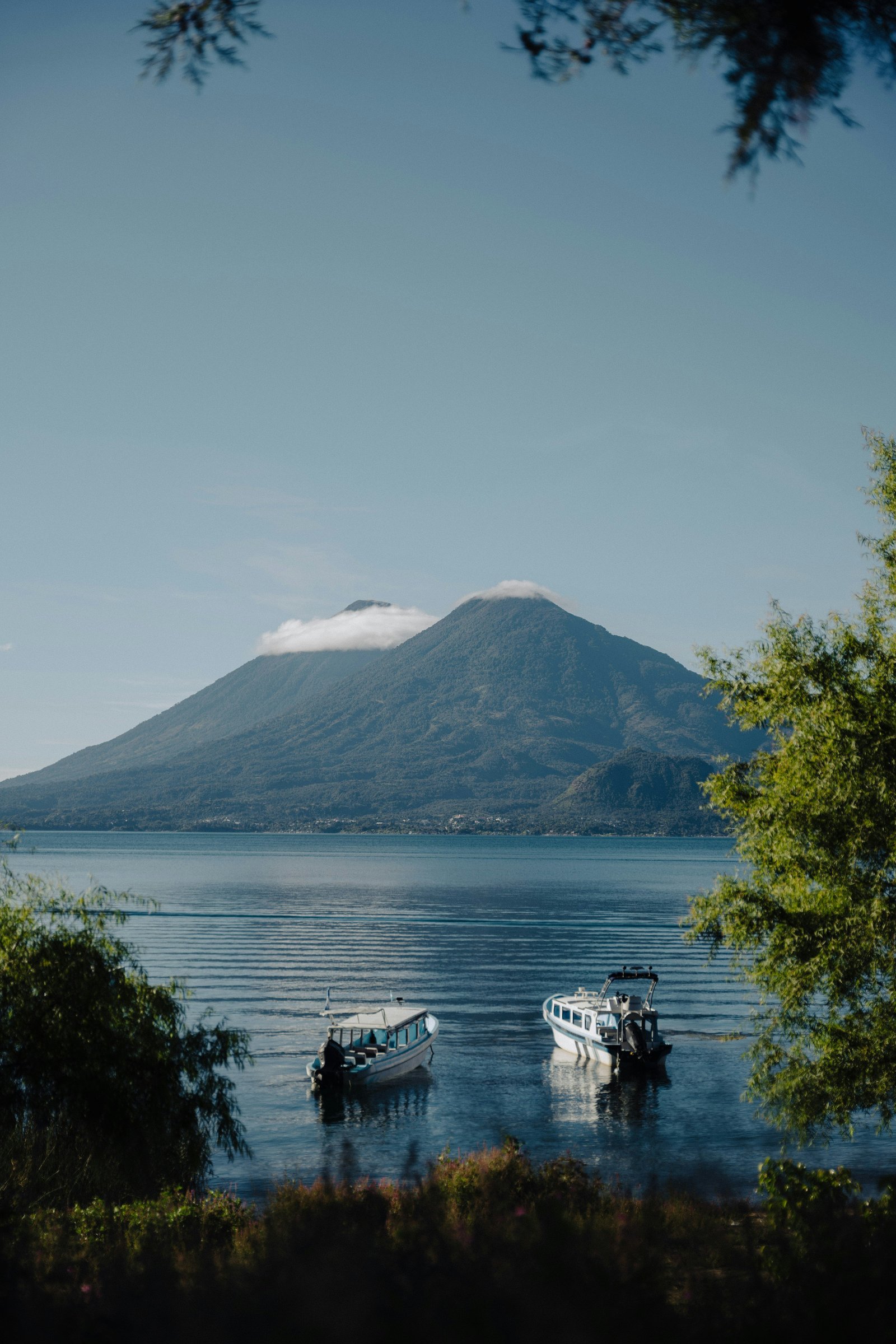
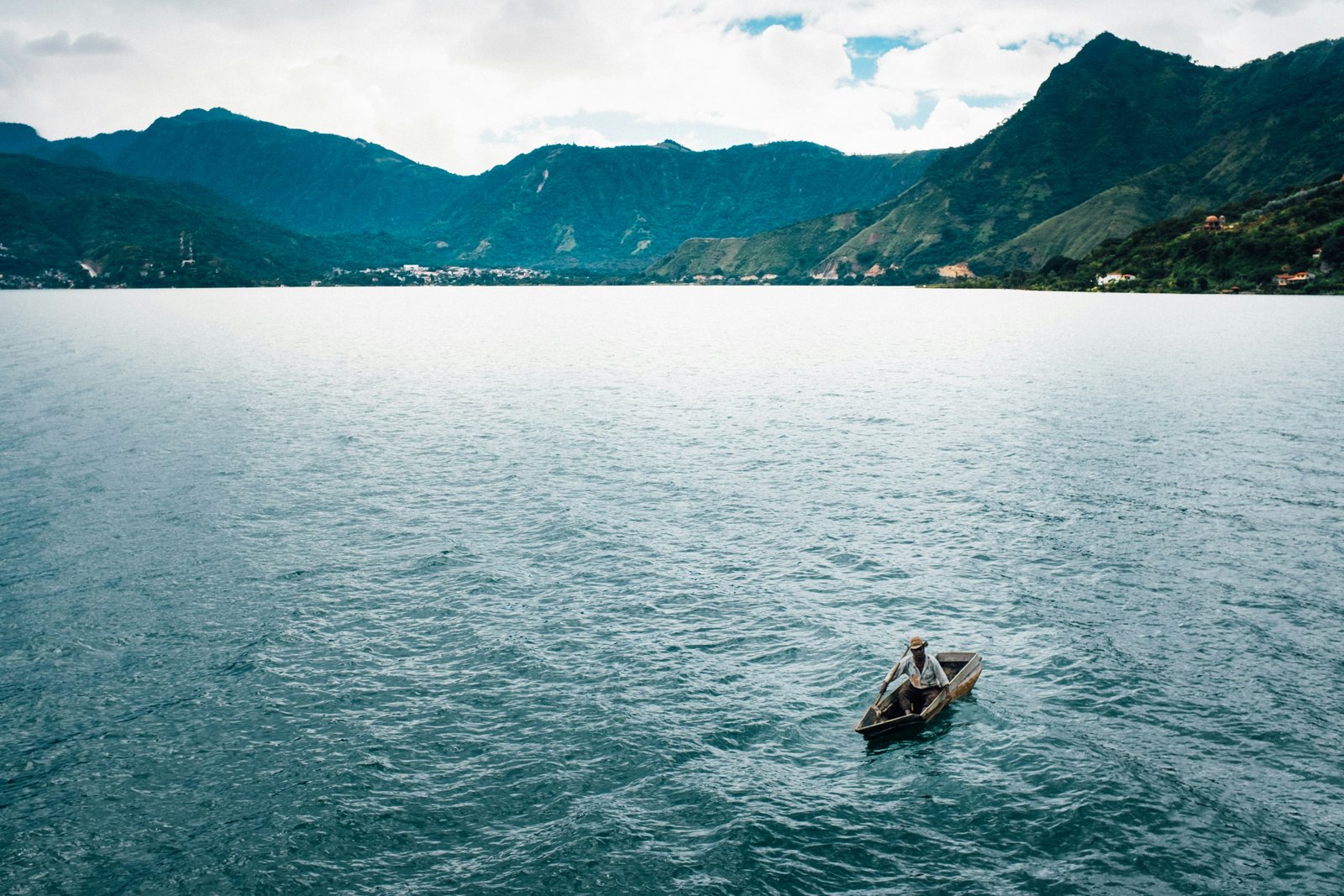
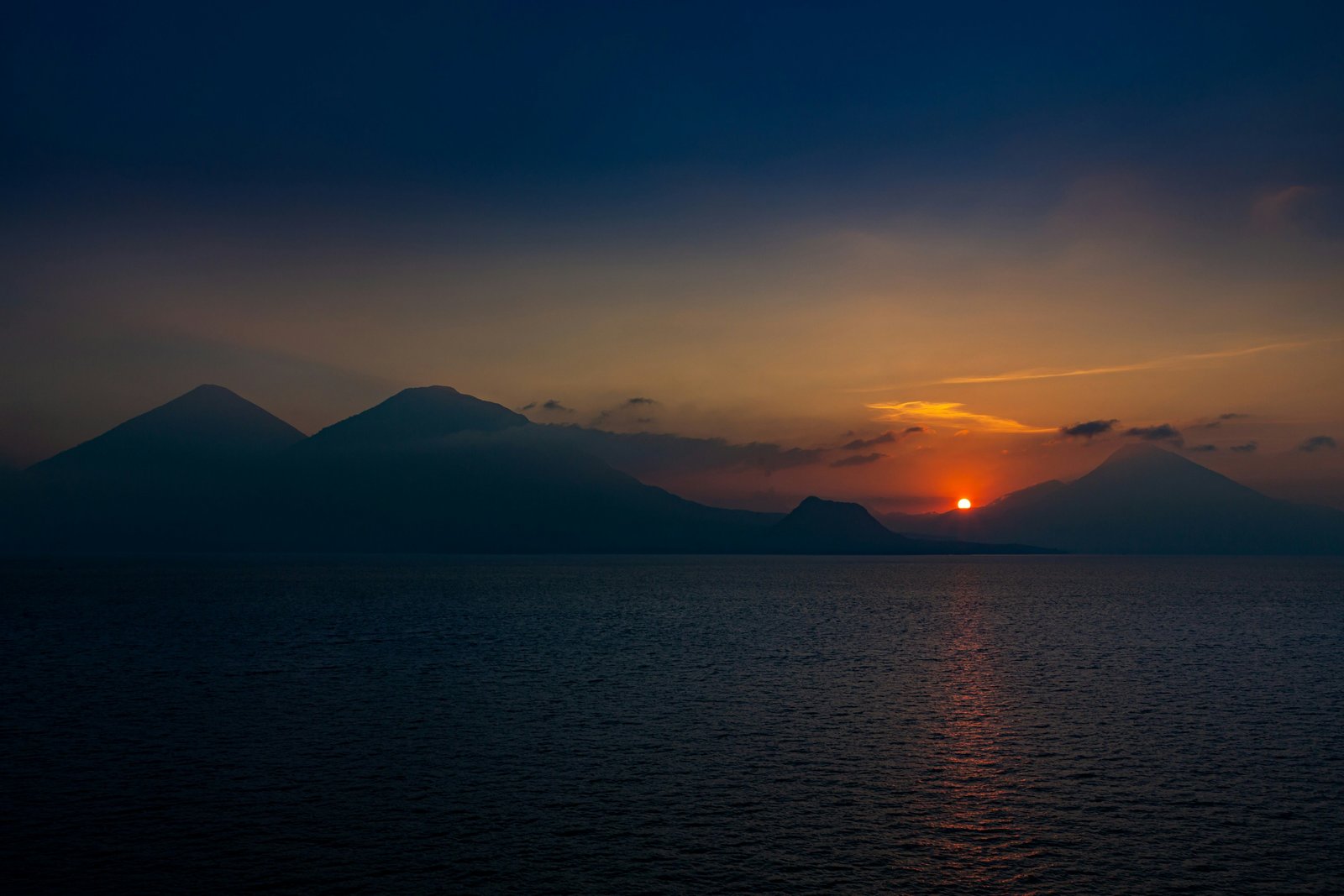
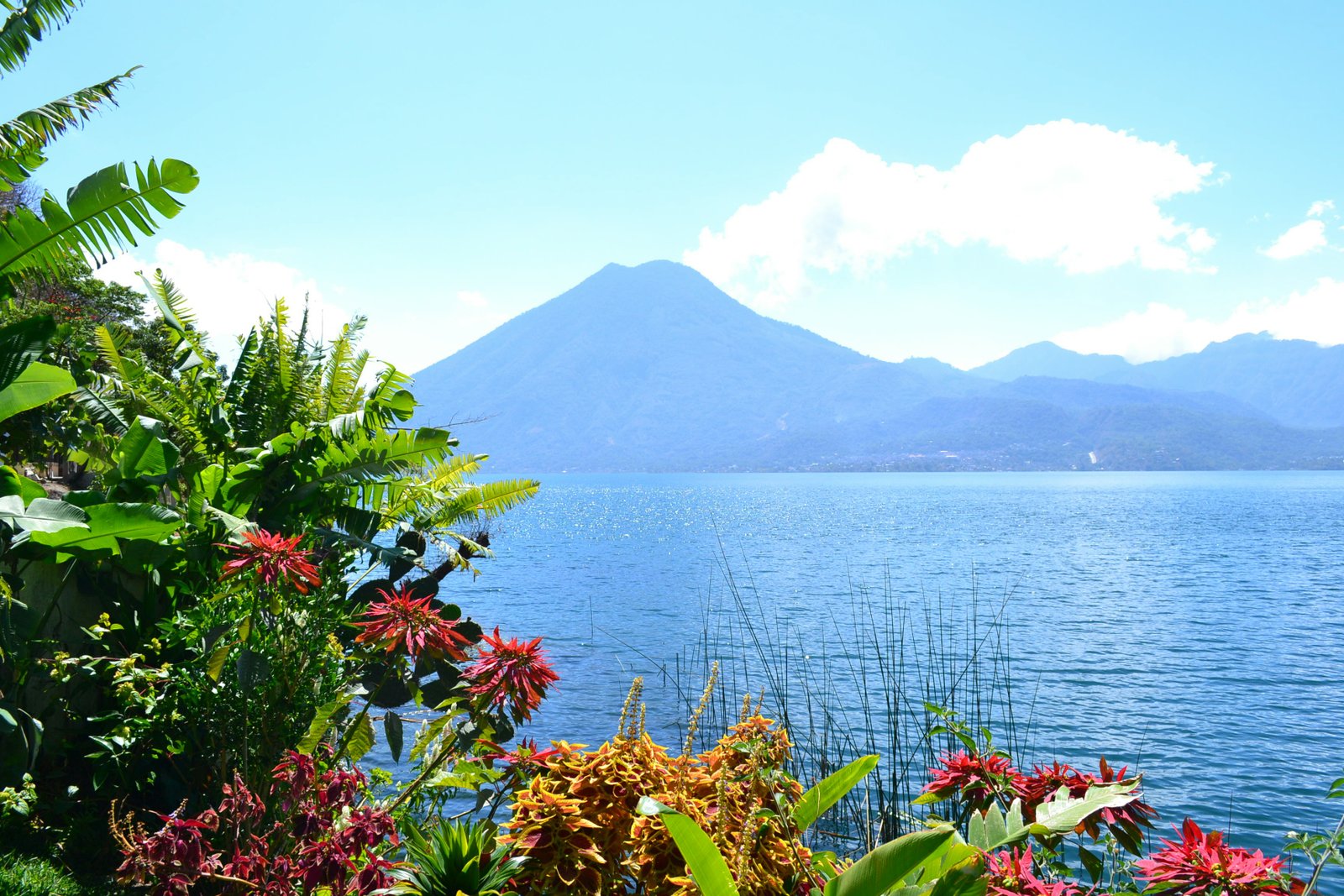
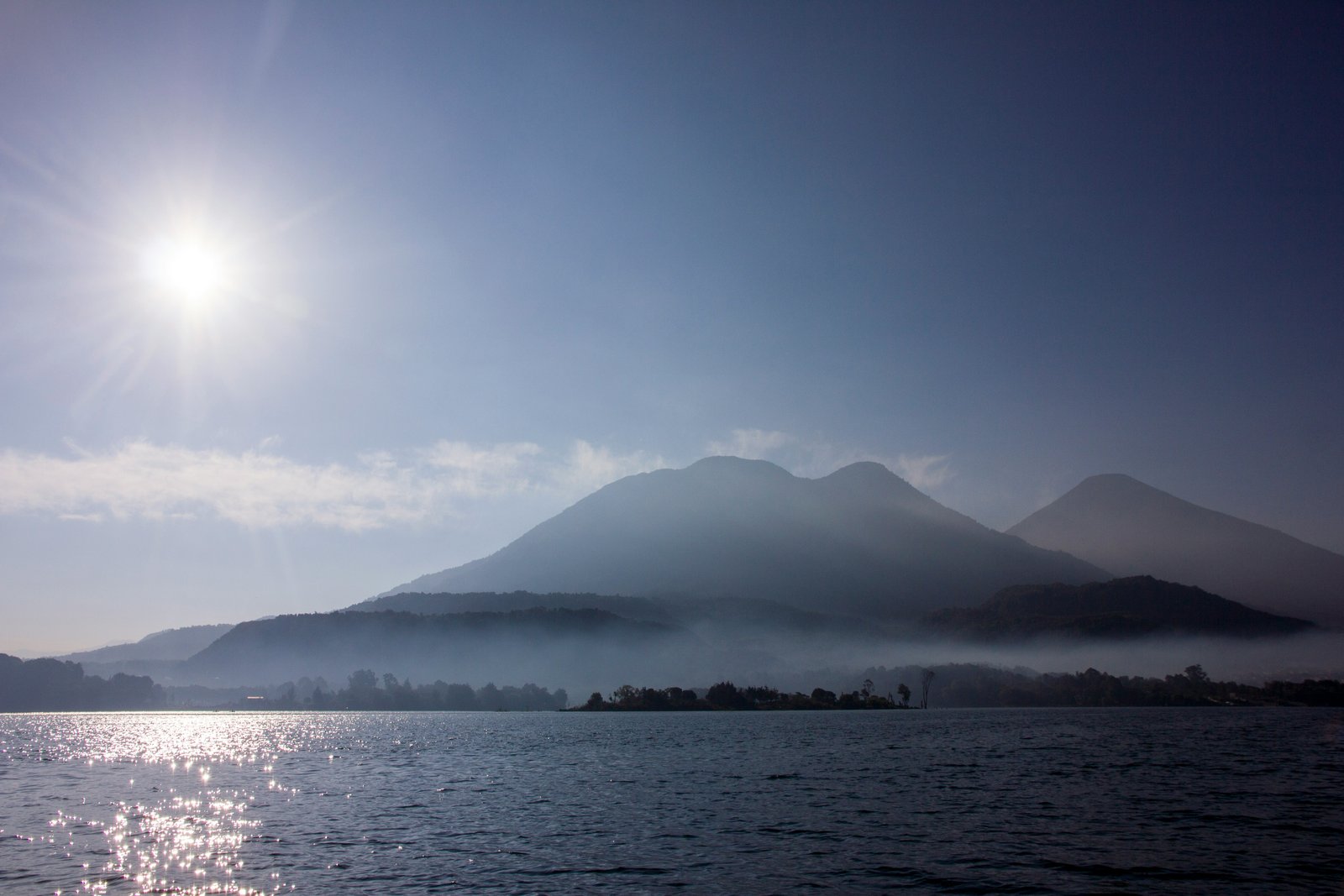
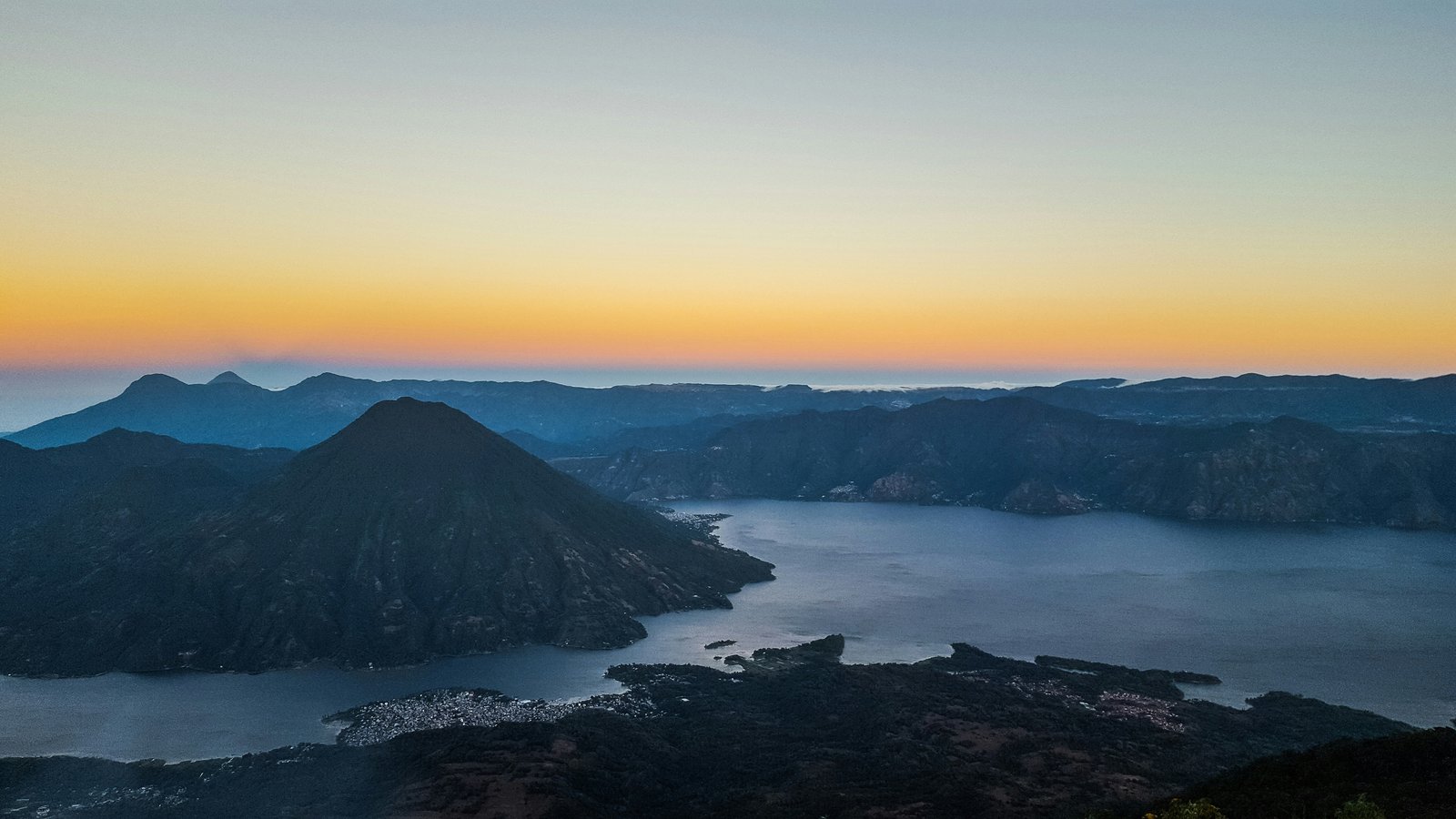
Four volcanoes silhouetted at sunset, a lakeside village reflected in the morning calm, and the whole caldera seen from the highlands above.
Best time, daylight and what to pack
Guided Experiences at Lake Atitlán
Lake Atitlán sits inside a caldera ringed by three active volcanoes. Three Mayan communities on the lakeshore each have distinct culture and textile traditions. Guided volcano hikes, village kayaking, and cultural tours are all available from Panajachel or San Pedro.
Guided San Pedro Volcano hike
Licensed guided summit hike on San Pedro Volcano (3,020m) from San Pedro la Laguna. Guide required for security and route-finding through the cloud forest. Early 4am start for sunrise views over Atitlán.
Book volcano hike →Kayak tour of the lakeshore villages
Guided kayak tour across Lake Atitlán linking San Pedro, San Juan, and San Marcos villages. 8km of flat paddling with views of all three volcanoes. Artisan stops in San Juan's natural dye cooperative.
Book kayak tour →Mayan village cultural immersion
Full-day guided cultural tour of Santiago Atitlán: market visit, cofradía ceremony, textile cooperative, and the shrine of Maximón (the cigar-smoking saint revered by the Tz'utujil Maya).
Book cultural tour →Links go to GetYourGuide for real-time availability. Check guide certifications and cancellation policy before booking.
Lake Atitlán sits in a caldera formed by a massive volcanic eruption 84,000 years ago. The caldera filled with water and the three volcanoes — San Pedro, Atitlán, and Tolimán — grew on its southern rim in the geologically recent past. The lake has no surface outlet; water drains underground through fractures in the caldera floor. The result is a lake that stays unusually clear and deep (340m at maximum depth), ringed by volcanoes and traditional Mayan villages that have been here continuously for centuries.
Getting around the lake
The lake is 17km across and the road around it is slow and indirect. Lanchas (small motorboats) are the practical way to move between villages. They run frequently between the main villages — Panajachel, San Pedro La Laguna, San Juan La Laguna, San Marcos La Laguna, and Santiago Atitlán — from dawn to dusk.
A single trip costs $1.50 to $3 USD. There is no set timetable; boats leave when full or when a group charters them. Panajachel is the main hub for lancha services and where most shuttle buses from Antigua and Guatemala City terminate. Base yourself in San Pedro or San Marcos for a more relaxed experience.
Which village to base from
Panajachel is the most accessible and most commercial. San Pedro La Laguna is the backpacker hub: cheap food, good hiking access to San Pedro Volcano, and a large international traveller community. San Marcos La Laguna is the quietest and most serene — yoga retreats, small guesthouses, meditation centres, and the village-to-village trail.
Santiago Atitlán on the south shore is the most traditionally Mayan of the larger villages, with a strong indigenous craft market and the Maximón shrine. Most visitors base from San Pedro and take day trips by lancha to the others.
When to go
November through March is the best period: dry, clear mornings for volcano hikes, and the lake is at its most tranquil. The Xocomil (a strong afternoon wind) picks up every afternoon from around 1pm regardless of season, making lancha crossings rougher in the afternoon — plan lake crossings for the morning.
May through September brings daily afternoon rain; the lake is still accessible but hiking is more uncertain and the summit views on San Pedro are less consistent.
How to get there
International gateway for Guatemala. Most travellers go first to Antigua (1.5–2h from GUA), then take a direct shuttle to Panajachel (1h) on the lake's north shore. The Antigua to Panajachel shuttle costs $10-15 and runs multiple times daily. Total journey from GUA airport to the lake: ~3h.
Lanchas (motorboats) connect all the main villages from dawn to dusk. Panajachel dock is the main hub. A single trip costs $2-4 USD. There is no fixed schedule: boats leave when full or can be chartered privately for ~$10-15. The afternoon Xocomil wind from 1pm makes crossings rougher; book morning lanchas for volcano hikes with an early start.
No national park entry fee for the lake area. Some villages charge a small tourist fee (Q5-20, ~$1-3). The San Pedro Volcano hike requires a guide ($15-25) and can be booked through agencies in San Pedro La Laguna the evening before. Most multi-day hikers base from San Pedro (backpacker hub) or San Marcos (quieter, yoga-retreat atmosphere).
Where to sleep
Hostel · San Pedro La Laguna
San Pedro is the budget hub of the lake with the most hostels, cheapest food, and best access to the San Pedro Volcano trailhead. Zoola and Hostal Jarachik are the most consistently reviewed. Rooftop lake and volcano views from the common areas.
Guesthouse · San Marcos or Panajachel
San Marcos La Laguna has small, serene guesthouses with lake-view terraces and easy access to the village-to-village trail. Panajachel has a wider range of services and is more convenient for lancha connections to the other villages.
Casa Palopo · Santa Catarina Palopó
A boutique hotel in the hillside village of Santa Catarina Palopó with a spectacular lake and three-volcano panorama from the infinity pool. 11 individually decorated rooms, a fine-dining restaurant, and the closest the lake gets to a luxury hotel in the traditional sense.
Common Questions
Three to four days is the right amount. Day 1: arrive, settle, explore San Pedro La Laguna. Day 2: San Pedro Volcano hike (early start). Day 3: Indian Nose sunrise, afternoon lancha to San Marcos and village walk.
Day 4: day trip to Santiago Atitlán (south shore, Maximón shrine, craft market). With fewer than 3 days you will feel rushed; more than 5 and you will exhaust the immediate activities and need to build your own programme.
The lake villages themselves are generally safe for tourists. San Pedro, San Marcos, San Juan, and Panajachel all have established traveller communities and low levels of tourist-targeted crime. Standard precautions apply: do not walk between villages after dark, keep valuables secure, and avoid displaying expensive cameras or phones.
Petty theft occurs occasionally. The main safety concern is the road from Guatemala City to Panajachel after dark — do not drive this road at night. Shuttle buses from Antigua are the safest option.
The Xocomil is a strong afternoon wind that sweeps the lake from the southwest, typically arriving between 12pm and 2pm and building through the afternoon. It makes lancha crossings rougher and occasionally cancels them in the windiest months.
Morning lancha trips are calm and fast; afternoon trips can be slow and wet from spray. The Mayan name translates loosely as "the wind that carries away sin." In practice, plan your lake crossings before noon and you will not need to worry about it.
Yes — this is the standard Guatemala circuit. From Antigua: Acatenango overnight (2 days), return to Antigua, shuttle to Lake Atitlán (3 to 4 days), shuttle back to Antigua or directly to Guatemala City, overnight bus or shuttle to Lanquín for Semuc Champey (2 to 3 days).
Total: 10 to 12 days covers all three experiences with the right amount of time at each. Alternatively, go Atitlán first and Acatenango last before flying out of Guatemala City.
Yes, because they show different things. San Pedro puts you above the lake looking down at the volcanoes from the west. Indian Nose puts you on the north shore looking across the full lake at the three volcanoes from the opposite angle, with the lake mist below at sunrise.
Both views are distinct enough to be worth doing separately. If you only have time for one, do Indian Nose — it is shorter, less physically demanding, and the sunrise experience is harder to replicate in a single photo than the summit panorama from San Pedro.