Dolomites Routes
From the Tre Cime circuit (a day) to the Alta Via 1 (two weeks), with via ferrata, ridge walks, and lake hikes in between.
Tre Cime di Lavaredo Circuit
The Tre Cime di Lavaredo are three limestone towers (Cima Grande 2,999m, Cima Occidentale 2,973m, Cima Piccola 2,857m) that are the defining image of the Dolomites. The circuit trail loops around all three, passing through the high-mountain landscape of the Cadini di Misurina to the south and the Rifugio Auronzo area to the west.
The north face views (looking up at the vertical north walls of the towers) are the most dramatic. The circuit requires no technical ability; it is a well-maintained alpine trail with some loose rock. The drive up the toll road to Rifugio Auronzo adds a €35 euro fee per car. Alternatively, take the bus from Misurina in peak season.
Seceda Ridge Walk
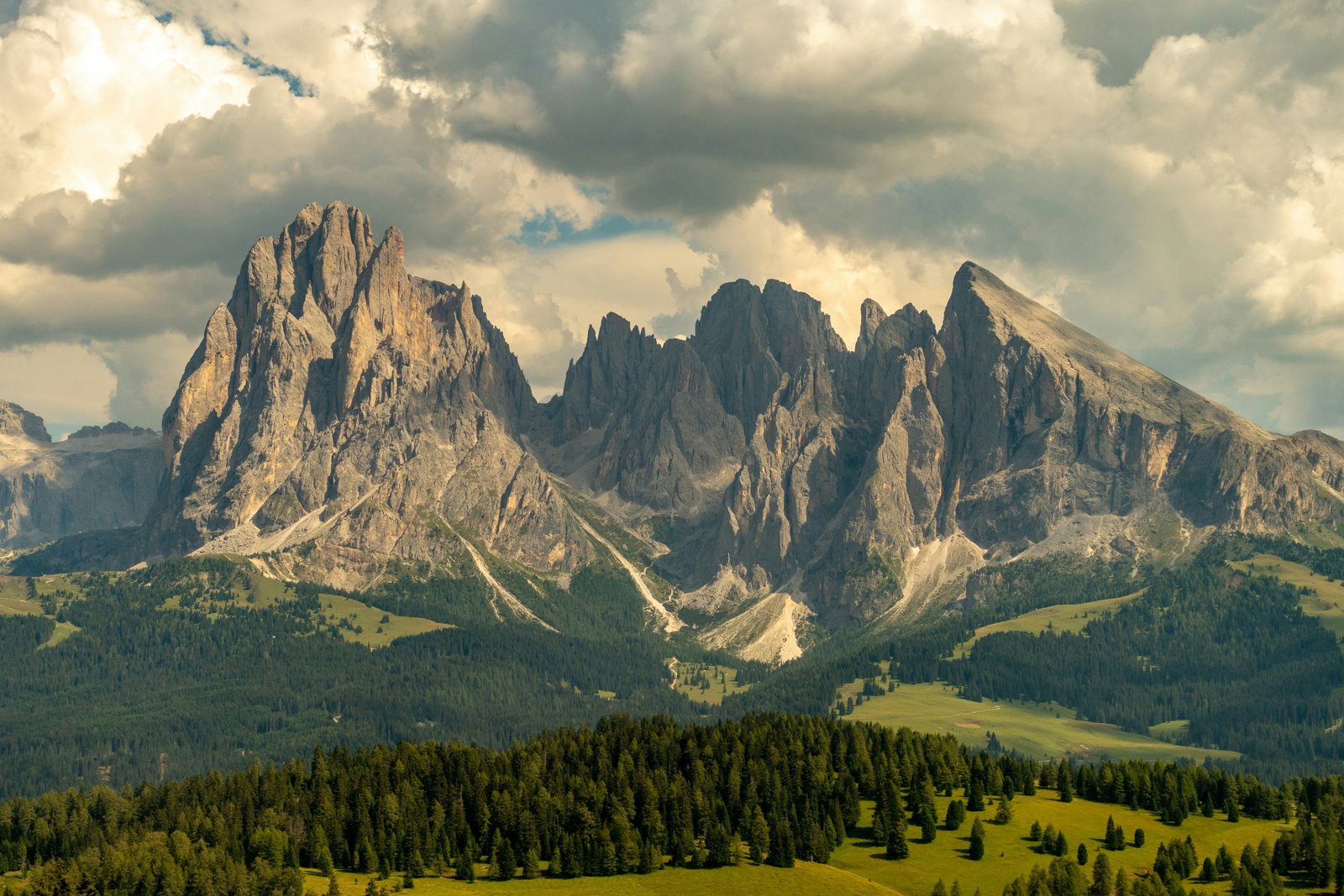
Seceda (2,518m) above the Val Gardena is reached by cable car from Ortisei and offers one of the most accessible high-altitude ridge walks in the Dolomites. The Seceda ridgeline runs south with an uninterrupted view of the Sassolungo and Sella massifs across the valley.
The walking is on well-marked alpine paths along the ridge spine with the Odle peaks rising vertically behind. The combination of the cable car access and the relatively flat ridge means this walk is achievable for people who would struggle with the vertical gain of other Dolomites routes. Rifugio Juac on the ridge serves food.
Lago di Sorapis
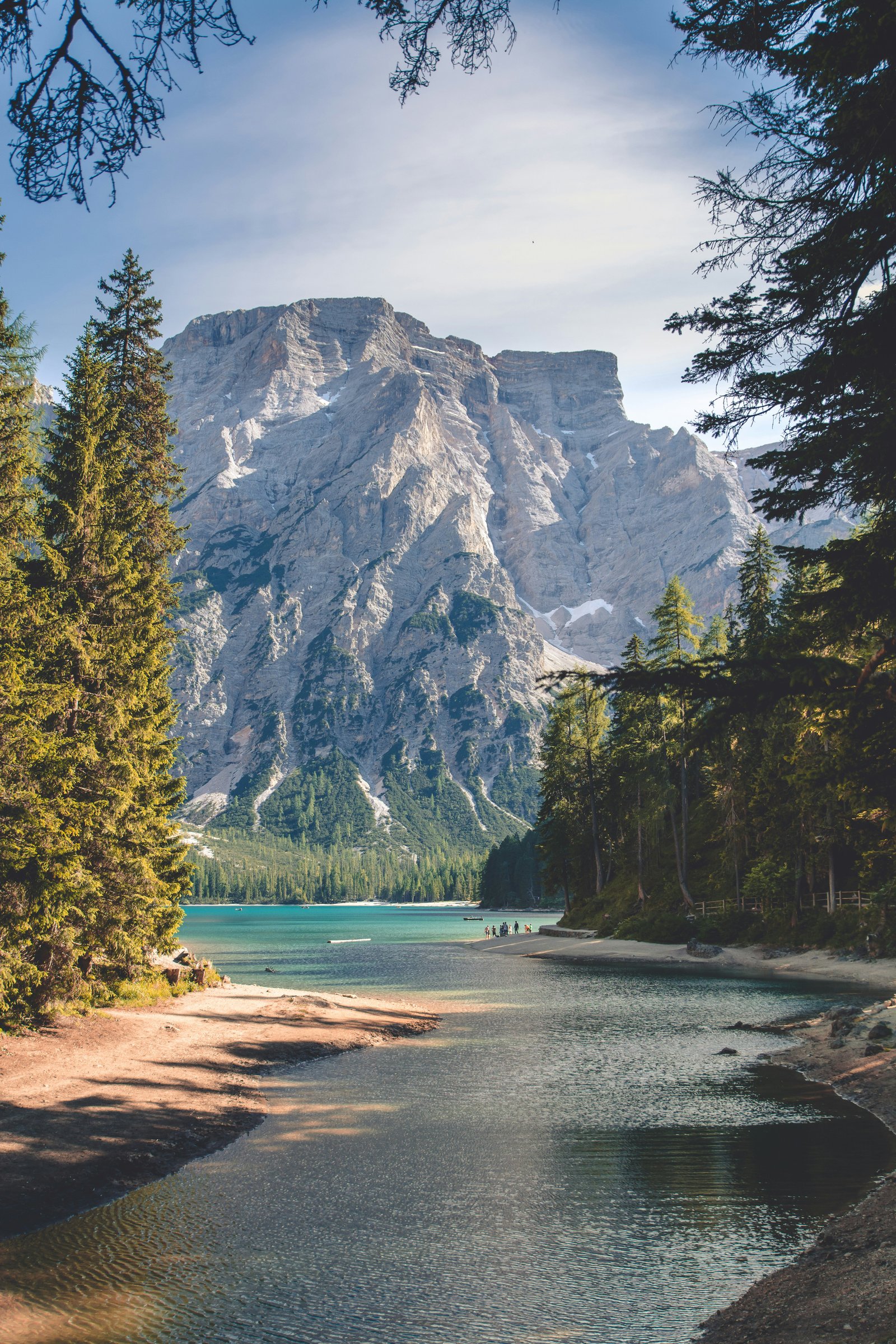
Lago di Sorapis is a turquoise alpine lake at 1,923m below the Sorapis massif, reached by a trail from the Passo Tre Croci that traverses exposed ledges above vertical drops in one 500m section. The lake's vivid turquoise-green colour comes from glacial silt (rock flour) suspended in the meltwater.
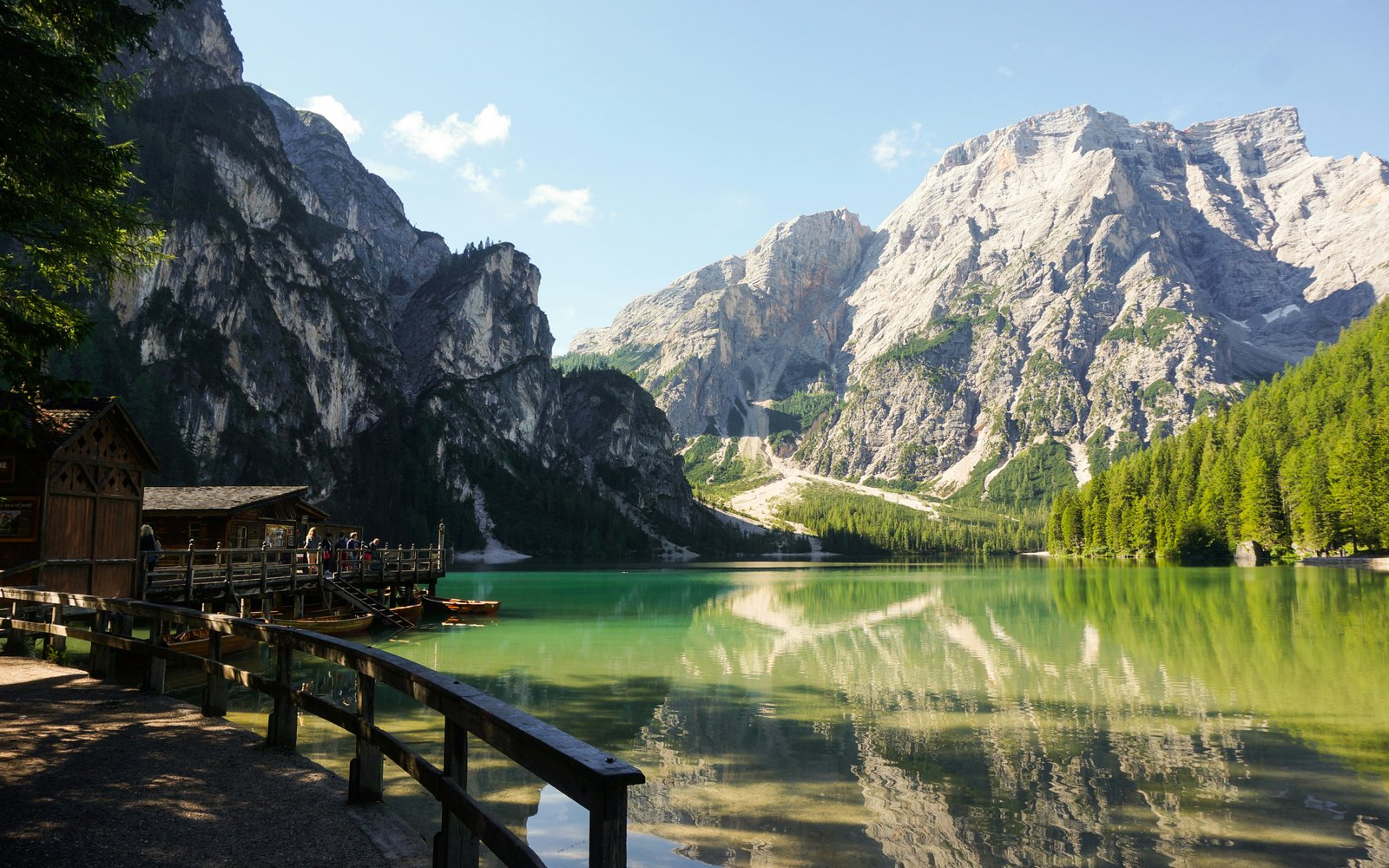
There is nowhere in the Dolomites with this specific combination of lake colour, surrounding cliff face, and the reflection of the Sorapis east face in the water. The exposed ledge section (with a fixed cable for hand support) filters out most casual hikers and keeps the lake relatively uncrowded even in August.
Alta Via 1 (10–12 days)
The Alta Via 1 is the longest classical long-distance route in the Dolomites, running 120km from Lago di Braies in the north to Belluno in the south. The route stays high, connecting rifugi (mountain huts) across the Fanes plateau, the Lagazuoi, Cortina area, and the Civetta massif.
Rifugi on the route provide dinner, dormitory beds, and breakfast; self-contained camping is not necessary. The route involves some scrambling and a few via ferrata sections but is generally non-technical. The daily rhythm of rifugio-to-rifugio hiking with food and shelter provided makes it accessible to long-distance walkers who are not mountaineers.
Via Ferrata (Ferrata Lipella or Ferrata Amici)
Via ferrata (Italian: "iron road") routes use fixed iron cables, rungs, and ladders bolted into rock faces to allow non-technical climbers to ascend vertical and near-vertical terrain. The Dolomites have more via ferrata routes than anywhere else in the world, a legacy of World War I military engineering.
Ferrata Lipella on the Tofane massif above Cortina is a sustained moderate route with spectacular exposure. Ferrata degli Amici on the Piccolo Lagazuoi is shorter but more historically significant, following WWI tunnels blown into the mountain. Both require a via ferrata harness, helmet, and a Y-shaped via ferrata set (lanyard with two carabiners and an energy absorber).
The Dolomites in Photos
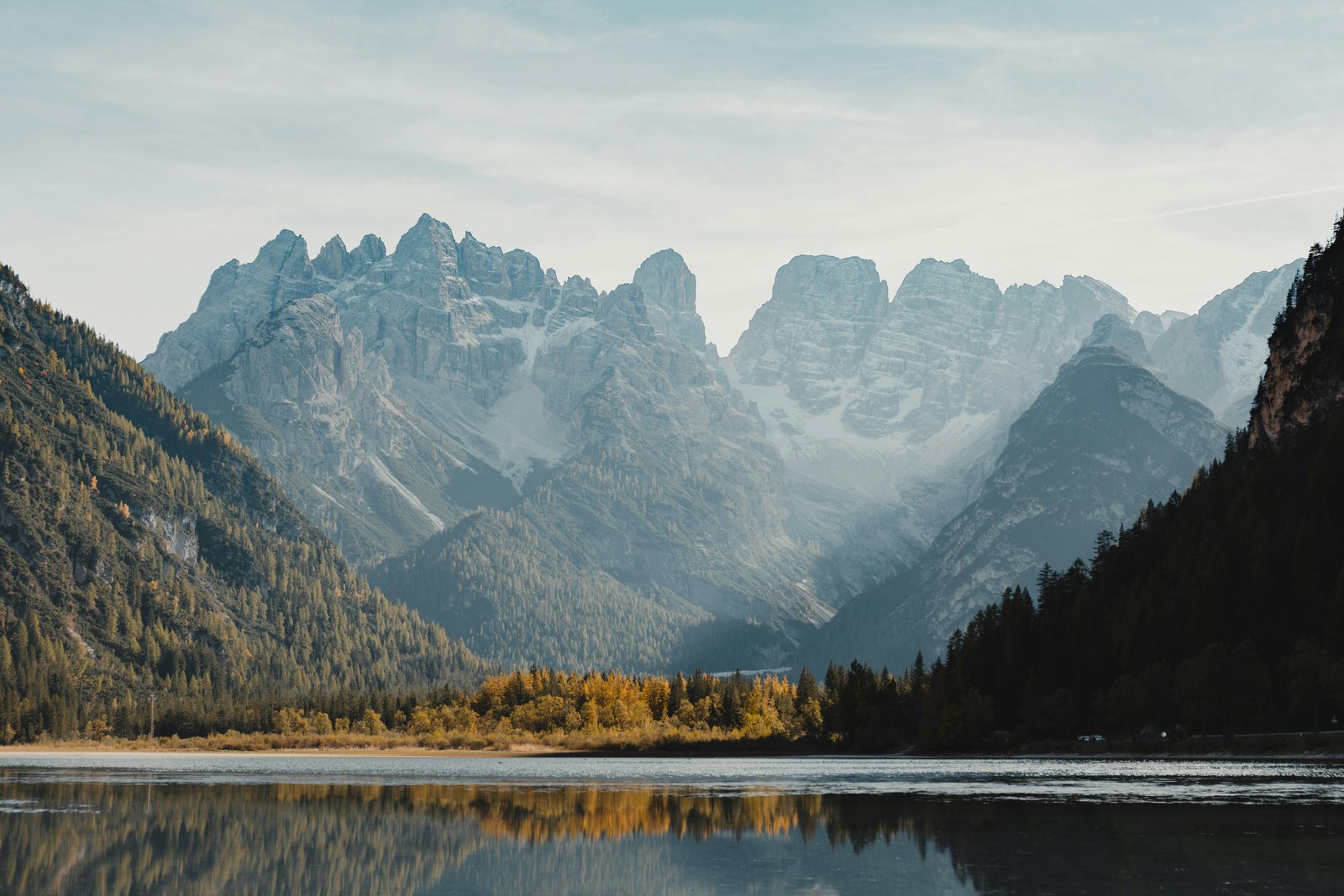
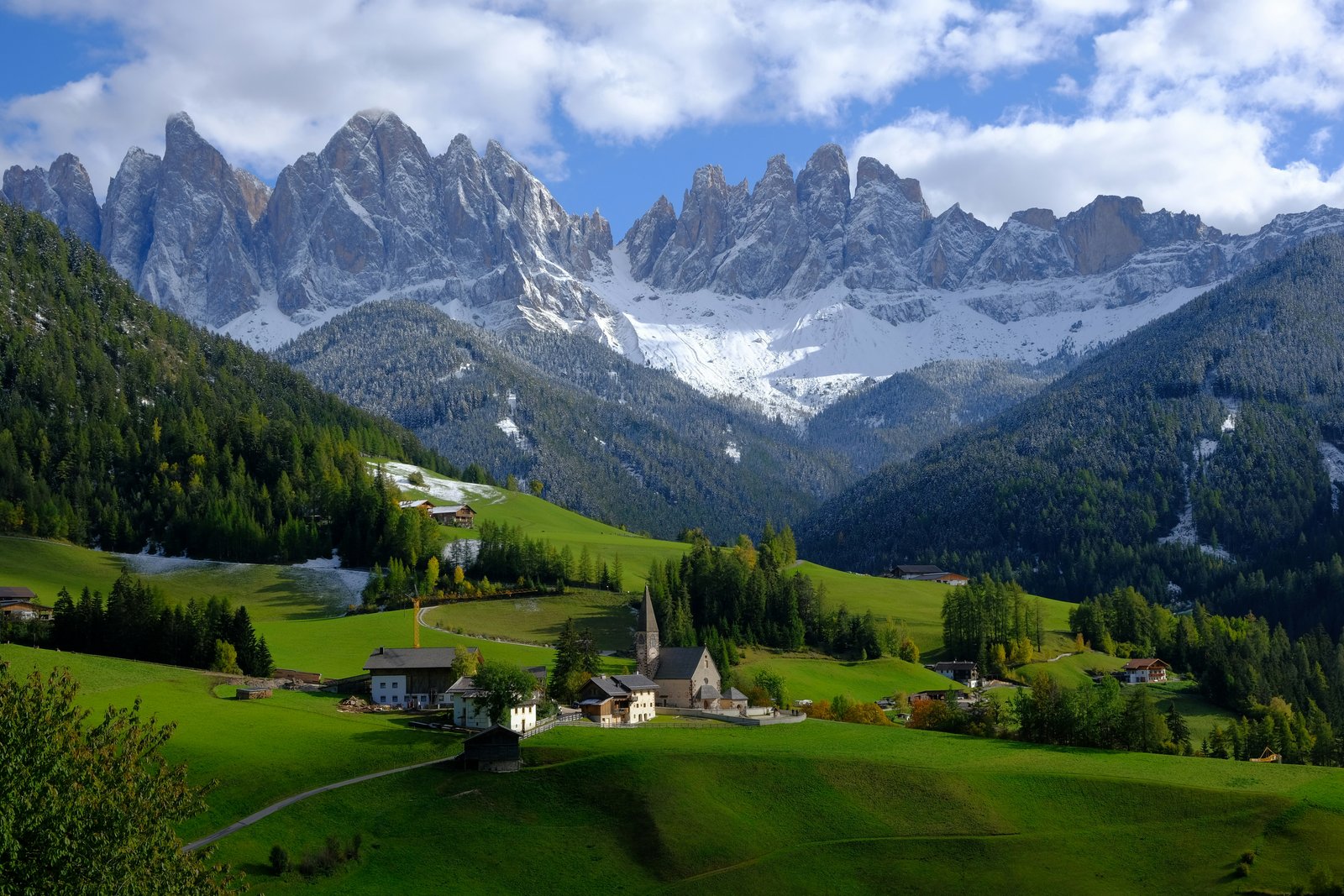
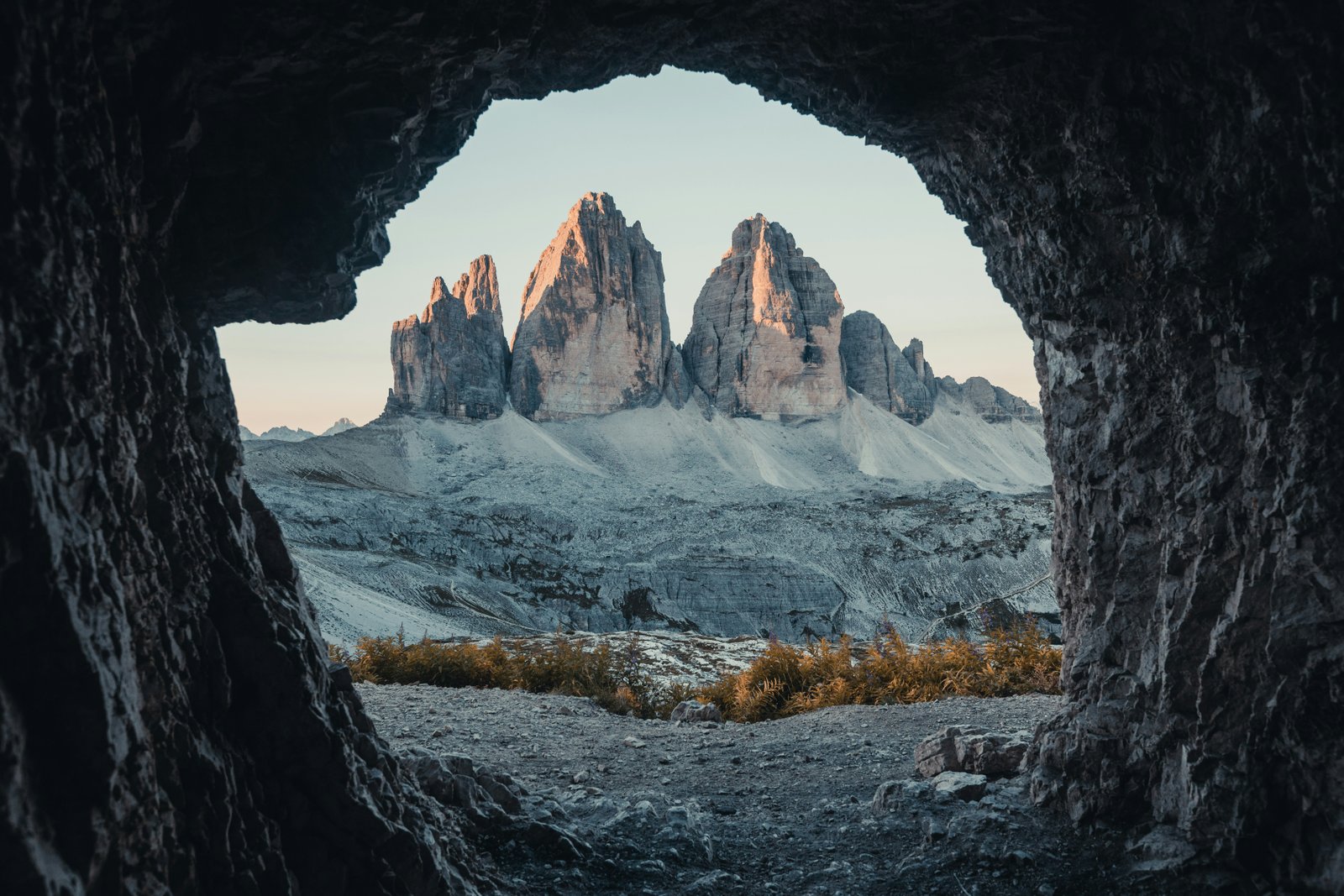
The Tre Cime north face at sunrise, turquoise lakes below the Sorapis wall, and Val di Funes at the foot of the Odle peaks.
Best time, daylight and what to pack
Guided Experiences in the Dolomites
The Dolomites offer some of the most technically diverse mountain terrain in Europe: via ferratas, multi-day hut treks, and vertical rock climbing all in the same area. Guided options cover everything from beginner via ferrata to full rock climbing courses.
Via Ferrata guided day
Guided via ferrata on one of the classic Dolomite routes: Ferrata Piazzetta on Piz da Lago, or Ferrata Bolver-Lugli on Pala di San Martino. All harness, helmet, and via ferrata kit provided.
Book via ferrata →Alta Via 1 hut-to-hut trek
Guided section of the Alta Via 1: the classic 120km route linking Lago di Braies to Belluno through the heart of the Dolomites. Custom-length guided sections from 2 to 7 days with rifugio bed-and-board.
Book Alta Via 1 →Sunrise photography at Tre Cime
Guided sunset/sunrise shoot at Lago Antorno and the Tre Cime di Lavaredo north face with a professional Dolomite photographer. Pink and orange light on the north face walls at magic hour.
Book photo tour →Links go to GetYourGuide for real-time availability. Check guide certifications and cancellation policy before booking.
The Dolomites are a UNESCO World Heritage Site for geology, not tourism infrastructure, though the infrastructure is excellent. The Pale mountains (Dolomiti Pallide) get their name from the whitish-grey limestone that distinguishes them from other alpine ranges; at sunrise and sunset this rock turns gold and then orange-red, the enrosadira effect, in a colour transition that happens every clear evening and lasts about 15 minutes. Plan your first night somewhere with an unobstructed western view of a major massif.
Via Ferrata: what you need to know
Via ferrata routes use a numerical rating system (1 to 5 in Italy, or A to E in older German-Austrian classifications). Grade 1 and 2 routes (or A/B) are accessible to hikers with good fitness and no climbing experience, provided they have correct equipment.
Grade 3 and above involves sustained vertical climbing with serious exposure. The Tre Cime area, Cortina, and the Val Gardena all have grade 1 to 2 routes that are genuinely manageable for capable hikers on a first via ferrata experience. Gear rental costs around €15 to €25 per day from local outdoor shops.
The rifugio system
The Dolomites have over 50 staffed rifugi (mountain huts) accessible by foot, ranging from basic stone shelters to fully operational mountain restaurants with wine lists and pasta menus. Most rifugi are open from late June to late September.
They serve half-board (dinner, breakfast, dormitory bed) for €50 to €80 per person per night. Private rooms (camera) cost more. The system allows multi-day Dolomites traverses with no camping equipment, significantly reducing pack weight. Booking in advance is strongly recommended for July and August; many rifugi fill weeks ahead on popular routes.
When to go
July and August are peak season with warm temperatures, all trails and rifugi open, and the highest footfall on popular routes like Tre Cime. September is often the best month: fewer people, cooler temperatures ideal for long days, autumn light on the limestone, and rifugi still open until late September.
June has some residual snow on high routes and late-opening rifugi. October sees most rifugi close and early snowfall possible on high passes. The Cortina and Ortisei areas have ski infrastructure that keeps accommodation open year-round; the high trails are only reliably safe from late June through September.
How to get there
Fly to Venice (VCE) for the southeastern Dolomites (Cortina d'Ampezzo, 2h drive north via A27 and SS51), or to Innsbruck (INN) for the northern Dolomites (Ortisei/Val Gardena, 1.5h south). Verona (VRN) is a central option, 2h from most areas.
A rental car gives the most flexibility between rifugi and valley bases. Cortina Express runs coaches from Venice to Cortina (2.5h). In peak season, shuttle buses replace private vehicles on the approach roads to Tre Cime di Lavaredo and Passo Giau: park at the valley base and board the shuttle.
No national park entry fee for the Dolomites (listed as UNESCO World Heritage, not a single managed park). Individual rifugi charge separately for accommodation and meals. Rifugio reservations are essential for July and August: book by email 2 to 3 months ahead.
Where to sleep
Rifugio · Alta Via routes
Rifugi along the Alta Via 1 and 2 offer dormitory bunk beds with dinner and breakfast included. The classic way to hike the Dolomites without a tent. Reserve directly by email well ahead for July and August.
Guesthouse · Cortina or Ortisei
Valley-based guesthouses and B&Bs in Cortina d'Ampezzo, Ortisei, and San Vigilio offer comfortable rooms with mountain views and easy access to cable car systems for high-altitude starts.
Rosa Alpina · San Cassiano
A family-run Relais and Chateaux property in the Alta Badia with three-Michelin-star dining (St. Hubertus), spa, and the Dolomites directly out the window. One of the finest mountain hotels in Europe.
Common Questions
Via ferrata uses fixed iron infrastructure (cables, rungs, ladders, stemples) to allow non-technical climbers to ascend rock faces that would otherwise require ropes and climbing skills. You do not need climbing experience for grade 1 and 2 routes, but you need a head for heights and correct equipment: a via ferrata set (Y-lanyard with energy absorber), harness, and helmet.
The energy absorber is critical; it is what prevents a serious injury in the event of a fall. Grade 1 and 2 routes are approachable by confident hikers; grade 3 and above require previous ferrata experience or a guide.
Cortina d'Ampezzo is 165km from Venice Marco Polo Airport, about 2.5 hours by car. There is no direct train to Cortina; the railway line that ran through the valley was removed after World War II. A bus service (Dolomiti Bus) runs from Venice Piazzale Roma to Cortina in summer (approximately 3 hours).
Renting a car in Venice is strongly recommended for independent exploration; the Dolomites pass network (Passo Falzarego, Passo Giau, Passo Gardena) is best explored by car and the secondary roads are part of the experience.
The northern Dolomites around Ortisei, Selva di Val Gardena, and Bressanone are in South Tyrol (Alto Adige), an autonomous province with German as the primary language alongside Italian. Most signs are bilingual German-Italian; English is widely spoken in tourist areas.
In the southern Dolomites (Cortina d'Ampezzo, Alleghe, Belluno), Italian is the dominant language and English comprehension varies in smaller rifugi and villages. Basic Italian and German phrases go a long way in rifugi; menus are typically in German, Italian, and often English.
Yes, in July and August. The Tre Cime circuit is one of the most photographed hikes in Europe and the Rifugio Auronzo is accessible by car on a toll road, which means many visitors arrive with no hiking intention beyond the short north-face viewpoint 20 minutes from the carpark.
The full circuit at 7am in early July has perhaps 30 to 40 people; by 10am there are several hundred. Starting at dawn is the practical solution. The Misurina bus alternative (no car toll) takes longer but costs less and reduces the carpark congestion.
Enrosadira (Ladin dialect: "turning red") is the alpenglow effect specific to the Dolomite limestone. The pale grey-white rock reflects and amplifies sunset and sunrise light differently from other rock types, turning gold, then orange, then red-pink over about 15 minutes during the transition around golden hour.
The effect is most dramatic on south and east-facing walls at sunset (not sunrise). The Sassolungo above Val Gardena, the Tre Cime north faces at sunrise, and the Pale di San Martino plateau at sunset are considered the best locations for the enrosadira. Watching it from a rifugi terrace with a glass of wine is the archetypal Dolomites evening.