Laguna Colorada and the Altiplano Lakes
Laguna Colorada is the centrepiece of the Eduardo Avaroa Andean Fauna National Reserve, typically visited on day two of the 3-day Uyuni circuit alongside several other coloured lagoons.
Laguna Colorada Shoreline Walk
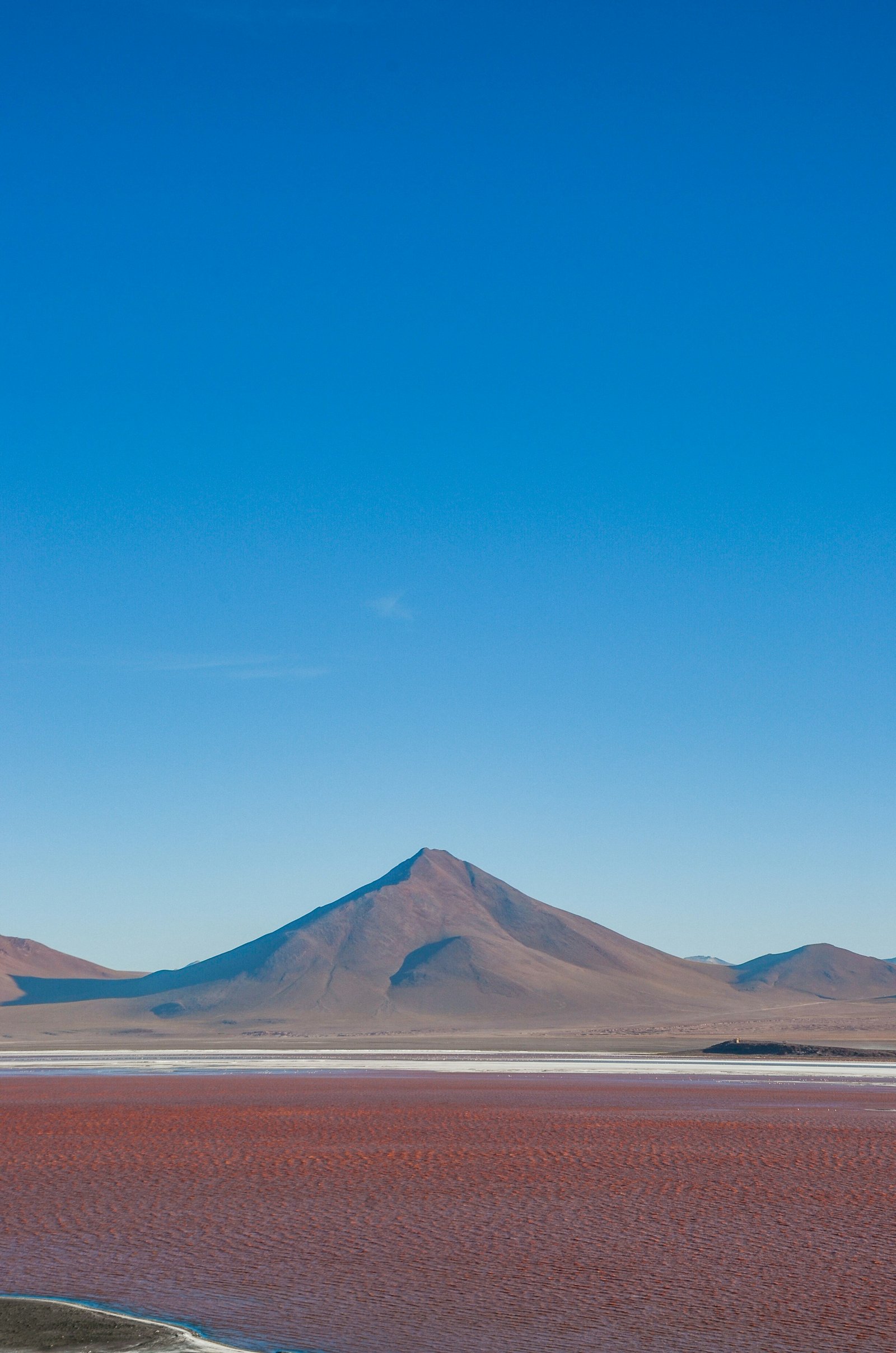
The most dramatic first view of Laguna Colorada comes from the ridge above the southwestern shore, reached by a short drive and walk from the reserve road. The lake spreads below: deep red water with white borax islands, backed by the volcanic peaks of the Chilean border on the western horizon.
Three flamingo species (Andean, James's, and Chilean) feed in the shallows with their white and pink forms against the red water. The James's flamingo is the rarest; Laguna Colorada is one of its primary breeding sites, making this one of the best places in the world to see it. Walking the shoreline path allows approach to within 50 to 100 metres of feeding flocks before they move away across the water.
Sol de Mañana Geysers (4,900m)
The Sol de Mañana geyser field sits at 4,900m on the volcanic plateau above Laguna Colorada. At dawn the steam from dozens of fumaroles rises into the cold air in columns visible from several kilometres away. Walking among the active vents requires care: the ground is unstable and crust can give way near active fumaroles.
The largest vents eject steam and mud to heights of several metres. The combination of altitude, cold air, volcanic steam, and the surrounding volcanic landscape is unlike any other experience in the circuit. Most tours arrive at Sol de Mañana at dawn, which gives the most dramatic visual effect of steam against cold sky.
Laguna Verde and the Chile Border
Laguna Verde sits at 4,300m at the southwestern corner of Bolivia, directly below the cone of Volcán Licancabur (5,916m) on the Chilean border. The lake's turquoise-green colour comes from arsenic, magnesium, and calcium carbonates suspended in the water. In high wind the water becomes milky white as the minerals are agitated and distributed more evenly; in calm conditions it is a vivid turquoise.
The lake is the final stop on the 3-day circuit before the Chile border crossing to San Pedro de Atacama. Looking from the shore of Laguna Verde across to Licancabur's perfect cone, with the Atacama desert beginning on the other side of the ridge, frames the full visual range of the circuit.
Laguna Colorada in Photos
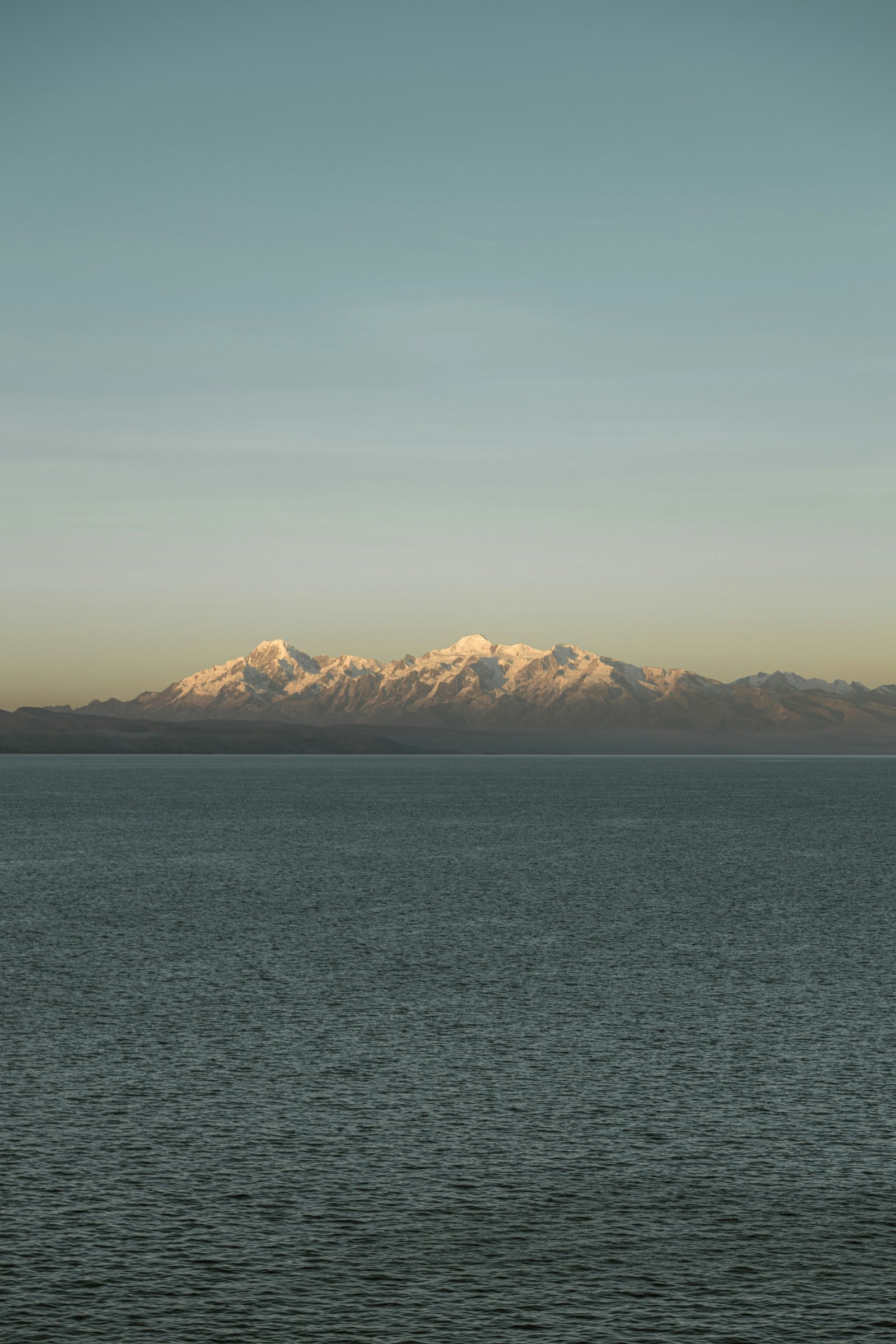
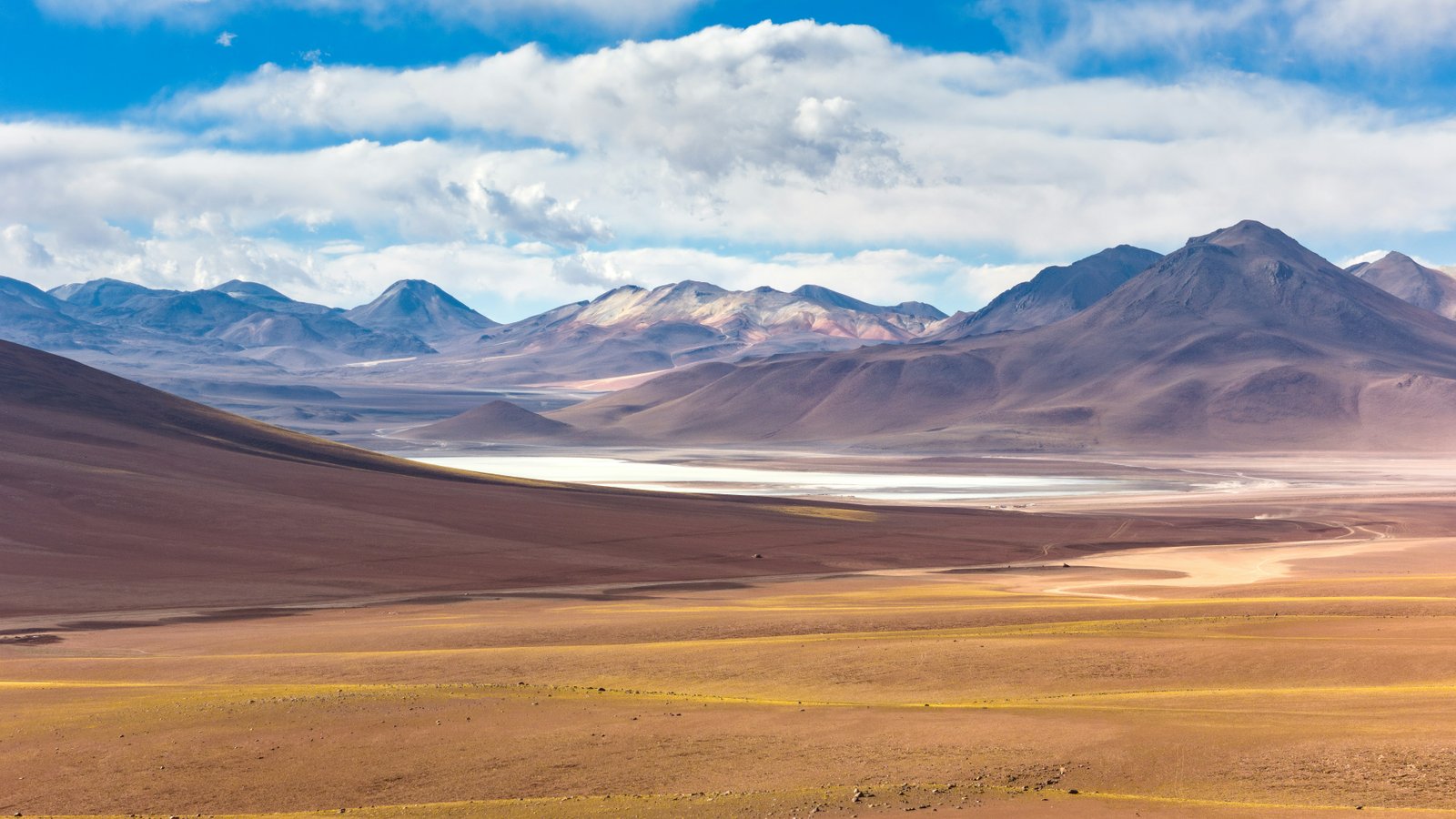
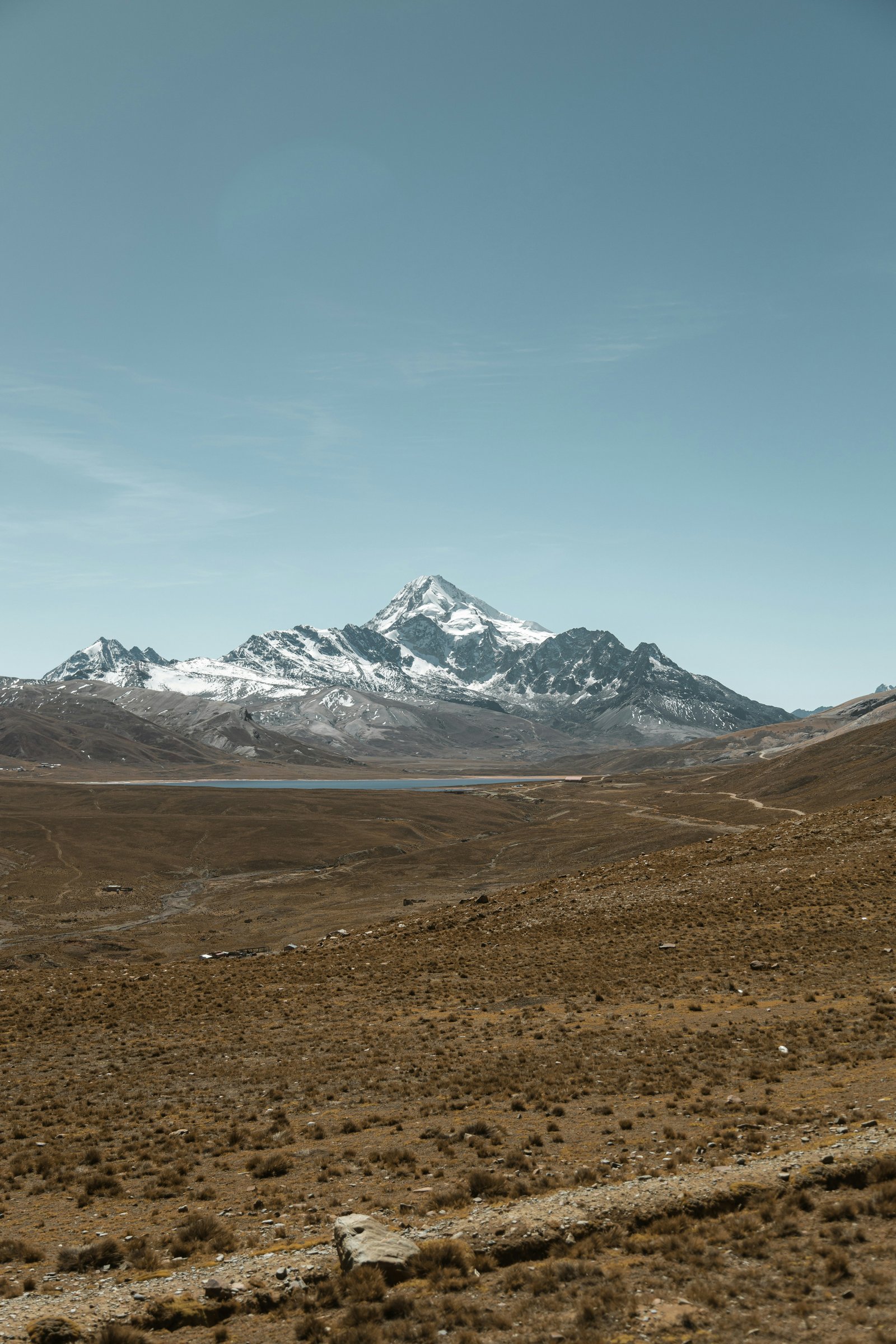
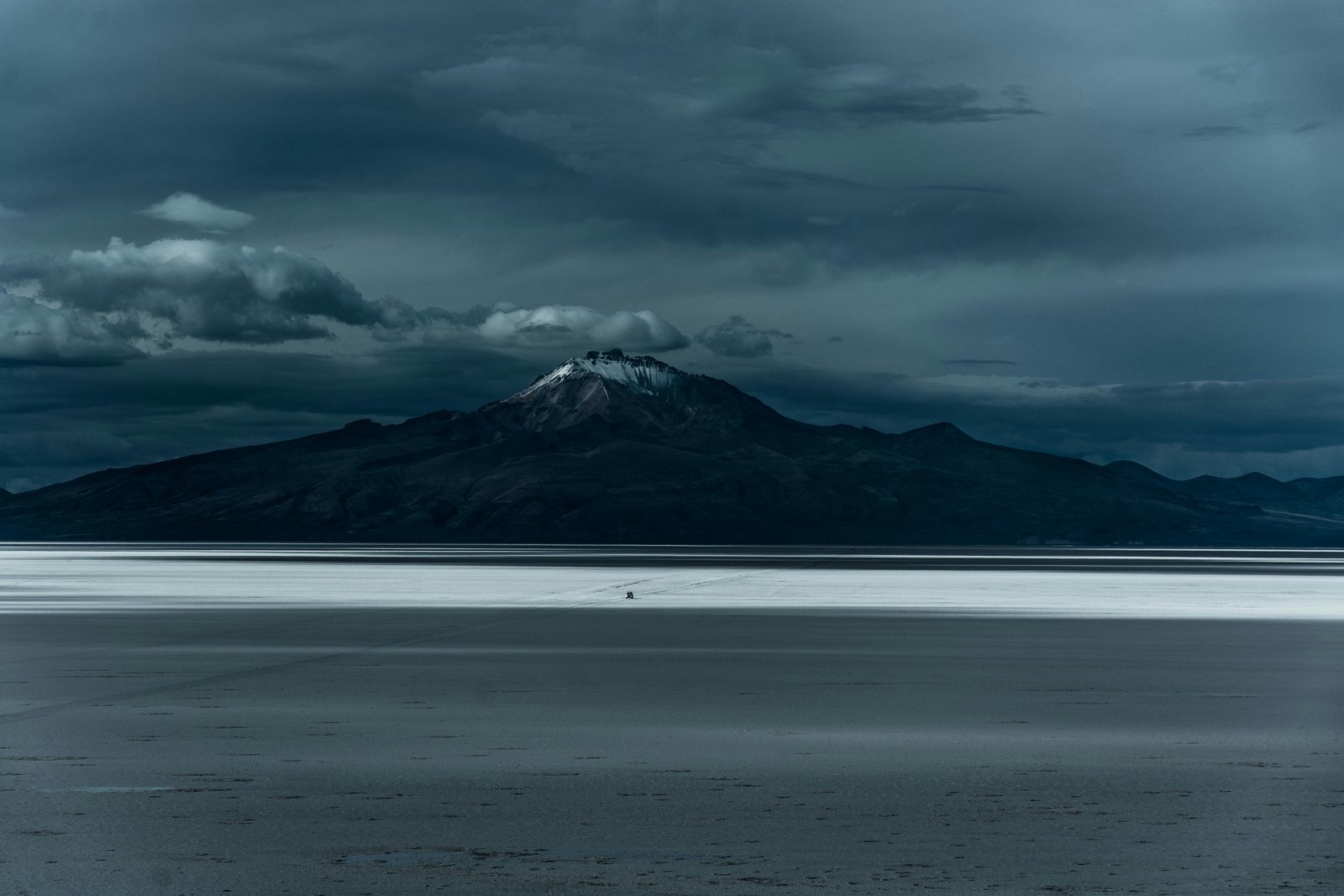
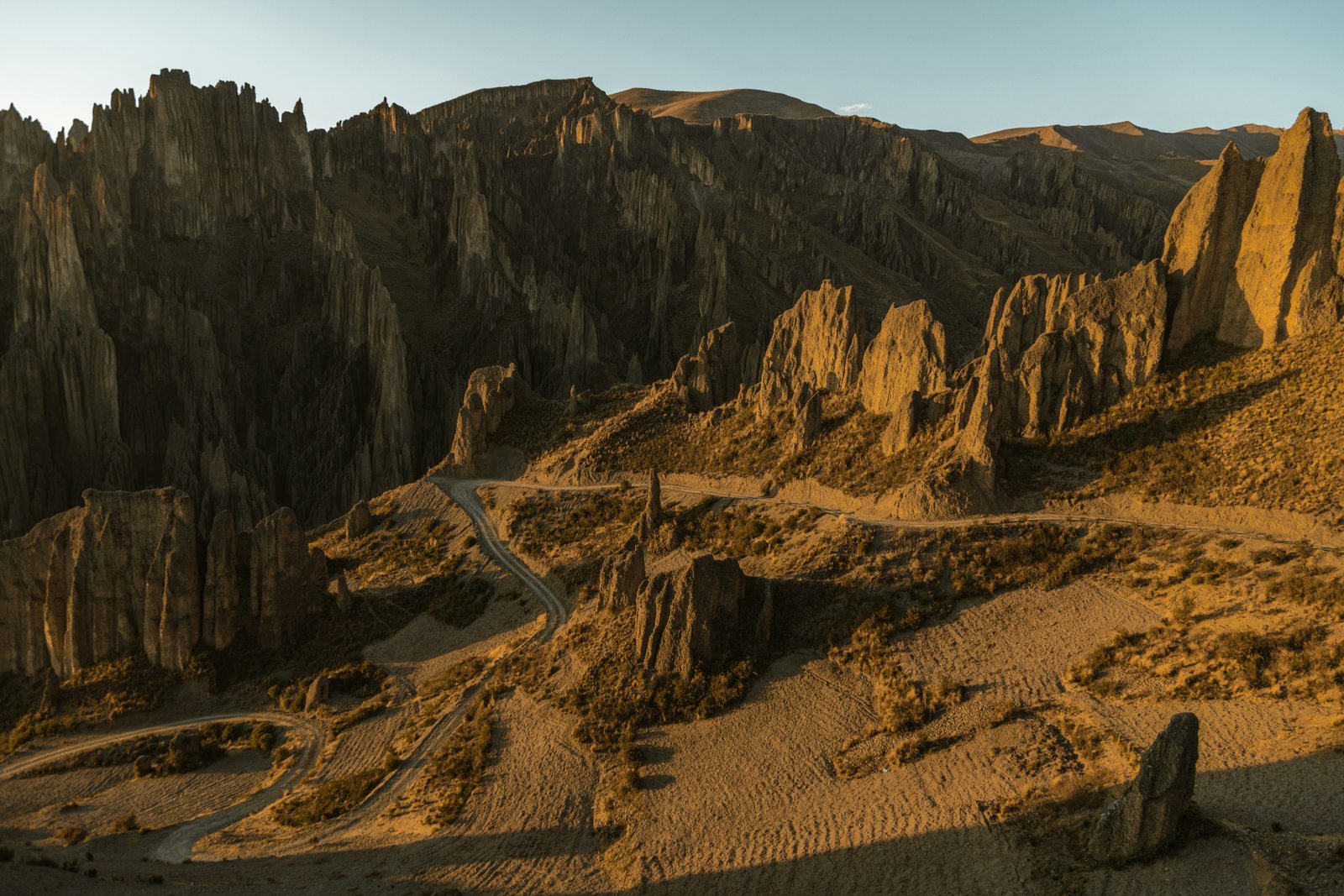
A lake stained red by algae with flamingos feeding at its edge, geysers steaming at 4,900 metres, and vicuñas grazing the altiplano beyond.
Guided Experiences near Laguna Colorada
Laguna Colorada is a shallow salt lake at 4,278m coloured crimson by algae: set against the white borax islands where Andean flamingos nest. Almost always visited as part of a 3-day Uyuni–Colorada–Atacama circuit.
3-day Uyuni to Laguna Colorada
The classic 3-day circuit: Salar de Uyuni on Day 1, Altiplano lagoons and Sol de Mañana geysers on Day 2, Laguna Colorada flamingos on Day 3. 4WD jeep with driver-guide, accommodation, and meals included.
Book 3-day circuit →Sol de Mañana geysers at sunrise
Guided sunrise visit to the Sol de Mañana geothermal field at 4,850m: fumaroles and mud pools steaming at dawn in below-zero temperatures. The geyser field is most active at 7–9am as the sun warms the ground.
Book geyser sunrise →Termas de Polques hot springs
Stop at the Termas de Polques thermal baths (37°C) on the edge of the altiplano at 4,400m: an outdoor pool with the Licancabur volcano as backdrop. Usually included in the circuit; standalone morning soak available.
Book hot spring stop →Links go to GetYourGuide for real-time availability. Check guide certifications and cancellation policy before booking.
The Eduardo Avaroa Reserve contains landscapes that do not look like they belong on Earth. The colour sequence across two days is a succession of impossibles: red lakes, green lakes, white salt, orange geysers, violet volcanic rock, and pink flamingos against all of it. Each one individually would be remarkable. Together, over a 700-kilometre circuit on unpaved altiplano roads, they form one of the most visually extravagant journeys available on the continent.
The flamingos
Three of the world's six flamingo species breed or feed on the altiplano lakes of Bolivia and Chile: the Andean flamingo (Phoenicoparrus andinus), the James's flamingo (Phoenicoparrus jamesi), and the Chilean flamingo (Phoenicopterus chilensis). Laguna Colorada is one of the most important breeding sites for the Andean and James's flamingos, both of which are categorised as Vulnerable or Near Threatened globally.
The James's flamingo was thought extinct until 1957, when a population was rediscovered at these altiplano lakes. Populations number in the tens of thousands rather than the millions of other flamingo species. The contrast between the birds' pink-and-white forms and the dark red water of Laguna Colorada is one of the most distinctive wildlife images in South America.
Why the lake is red
The red colour comes primarily from pigmented cyanobacteria and algae (particularly Dunaliella salina) that thrive in the hypersaline, alkaline water. The same pigment (carotenoid) that gives flamingos their pink colour is obtained from this algae through their diet: flamingos are born white and turn pink as they feed on carotenoid-rich organisms.
The borax deposits along the lake shore are white sodium borate precipitates; borax mining operates at the edges of several altiplano lakes. The combination of mineral-rich volcanic substrate, closed-basin hydrology, and high UV at altitude creates the conditions for the algal blooms that colour the lake.
When to go
The Eduardo Avaroa Reserve is accessible year-round but road conditions in the wet season (November to March) can make the circuit difficult or impassable after heavy rain. The dry season (May to October) gives reliable access, clear skies at altitude, and the most vivid lake colours.
Flamingo numbers at Laguna Colorada peak in the dry season when the water level drops and feeding conditions concentrate the birds. June and July are the busiest months but also the most reliable. Night temperatures at 4,200m drop to -15°C or below in winter months (June to August); warm sleeping gear and proper cold-weather clothing are necessary.
How to get there
Fly La Paz (LPB) or Sucre (SRE) to Uyuni (UYU): 1 hour. Amaszonas and BoA operate the route. Alternatively, take the overnight train from Oruro to Uyuni (10 hours) or an overnight bus from La Paz (12 hours, $15–25 USD).
A 3-day organized 4WD tour from Uyuni is the only practical way to reach Laguna Colorada: no public transport reaches the reserve. Tour agencies on Uyuni's main street run the circuit daily. Cost is typically $120–180 USD all-in for 3 days.
The standard 3-day circuit includes Salar de Uyuni, Laguna Colorada, and the Sol de Mañana geysers. Some tours exit into Chile at San Pedro de Atacama on day 3. Book at least 2 days ahead in peak season (July and August) when tours fill fast.
Where to sleep
Refugio · included in tour
Standard 3-day tours include basic refugio accommodation: shared rooms, limited heating, simple meals. Cold nights at 4,200m; a good sleeping bag rated to -10°C or lower is essential regardless of what the tour provides.
Private tour · Uyuni
Book a private 4WD rather than a shared tour for more flexibility at each location and better accommodation stops. Private tours run $300–450 USD for up to 4 people over 3 days.
Salt hotel · Salar de Uyuni
Luna Salada and Palacio de Sal are built entirely of salt blocks on the edge of the salar. Worth one night before or after the reserve circuit for the extraordinary setting at sunrise.
Common Questions
It is possible but impractical for most visitors. Some operators offer a dedicated day trip to the reserve from Uyuni, but the distance (310km from Uyuni to Laguna Colorada one way, on unpaved roads) means the day trip is mainly driving with limited time at the lake.
The 3-day circuit structure exists because the reserve's key sites are spread across a large area and most visitors combine Laguna Colorada with the geysers and Laguna Verde as part of a logical progression through the circuit. Visiting from San Pedro de Atacama in Chile (1.5 to 2 hours to the border, then a day in the reserve) is another option for those coming from Chile.
Basic shared dormitory refugios (mountain huts) with bunk beds, shared bathrooms, and communal meals. Most have no heating; temperatures inside the refugios at night approach the outside temperature. Bringing your own sleeping bag liner is strongly recommended to add warmth to the provided blankets.
Electricity is limited or absent. Some higher-end operators (at premium price) book private rooms in slightly better-maintained refugios. Food is included in the tour price and is adequate but simple: rice, quinoa, potatoes, and some protein.
Yes. The reserve operates at 4,200 to 4,900m, and visitors arriving from Uyuni (3,660m) are already at moderate altitude. Most people who arrive from La Paz (3,640m) with 2 to 3 days of acclimatization manage reasonably well. Arriving from a low-altitude city and joining the circuit the next day is higher risk.
Symptoms at this altitude are common even for acclimatized visitors: headache, fatigue, and reduced appetite are normal. Shortness of breath at rest, confusion, or chest pressure indicate more serious altitude illness and require descent. Carry ibuprofen for headache and stay hydrated; alcohol and physical exertion worsen symptoms significantly.