Amazon Excursions
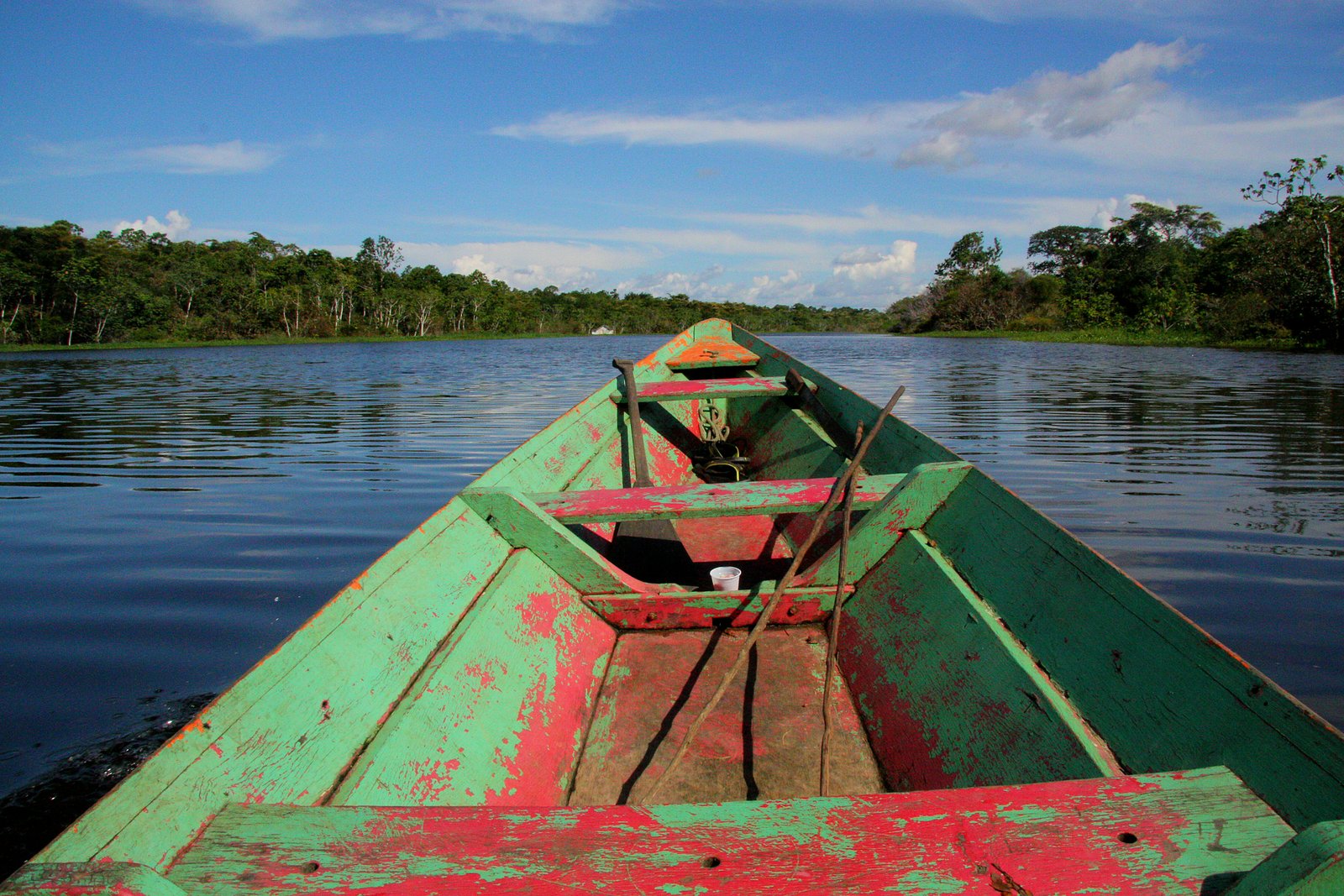
Every excursion departs by motorized canoe from lodges in the Manaus area. Most operators combine 2–3 activities per day. These are the ones that define an Amazon trip.
Pink River Dolphin Encounter
The boto, or pink river dolphin, is endemic to the Amazon and one of the most unusual wildlife sightings on the planet. In the flooded forest during high water they swim between the trees. Guides take you into narrow channels where encounters happen at close range: sometimes within arm's reach in the water.
River Boat into Primary Jungle
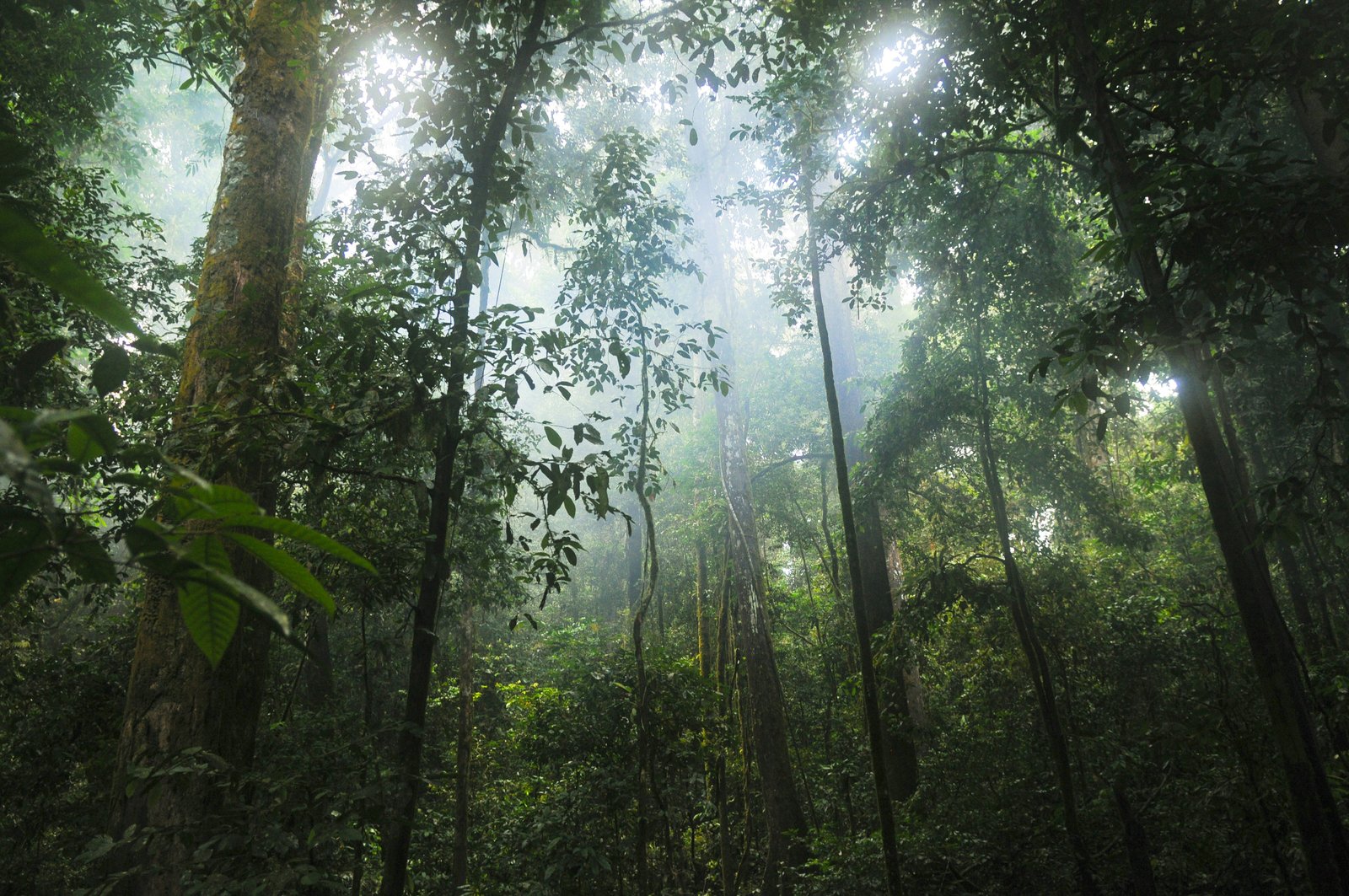
The further from Manaus you go, the more intact the canopy. Guides navigate narrow igarapés: flooded forest channels: where the jungle closes in overhead and light filters through in shafts. The sounds change. You pass caimans on the bank, scarlet macaws overhead, and the occasional slow-moving sloth in the cecropia trees. This is the core of any Amazon trip.
Nocturnal Caiman Spotting
At night the river belongs to something else. Guides scan the bank with a spotlight: caiman eyes reflect red in the beam. Black caimans can reach 4–5 meters. Spectacled caimans are more common and regularly spotted at arm's length from the canoe. You also hear: frogs in numbers that become a single wall of sound, owls, nightjars and things you can't identify. The jungle at night is completely different from the day.
Indigenous Community Visit
Communities along the Rio Negro tributaries have maintained relationships with the outside world for decades, and many welcome visitors on organized tours. You see how families live on the river: fishing methods, plant medicine knowledge, food preparation, and the rhythms of a life entirely tied to the water cycle. Choose operators who run these visits ethically: community-led, with revenue going directly to the village.
Piranha Fishing
Done on a simple hand line with a small piece of meat as bait. You fish in calm flooded forest channels where red-bellied piranhas congregate during low water season. They bite fast and hard. Guides demonstrate the teeth: they're exactly what you imagine. Most catches are released. Some lodges cook them for lunch. Red-bellied piranha is a real, mild-tasting fish.
Meeting of the Waters
Where the dark, warm, slow-moving Rio Negro meets the pale, cold, fast-moving Solimões river: and they refuse to mix for 6 kilometers downstream. The visual contrast is remarkable: two completely different rivers running side by side, their boundary clear as a line. The difference in temperature, speed, acidity and sediment load is what keeps them separate. One of the most unusual natural phenomena in South America.
Amazon River in Photos
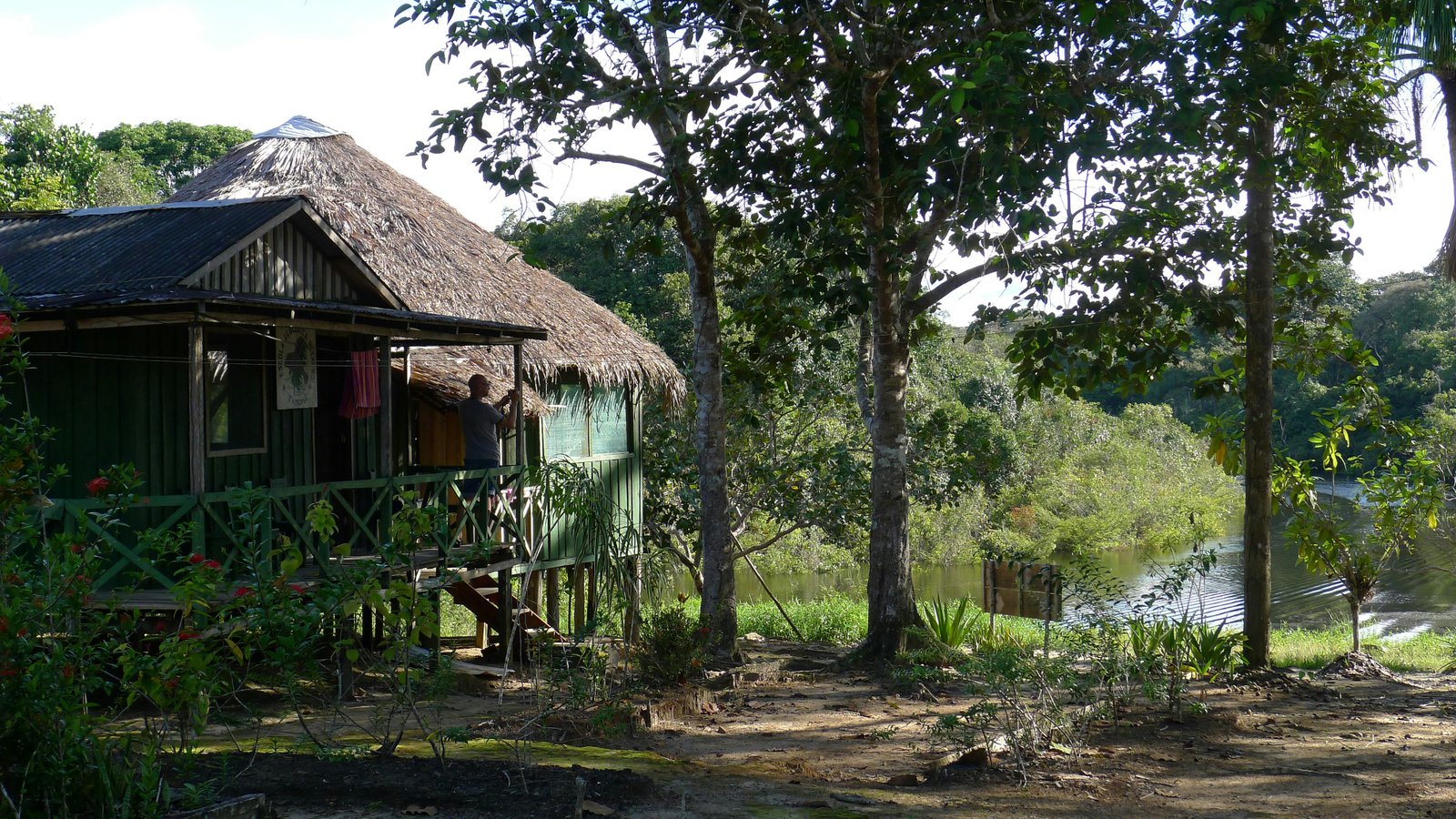
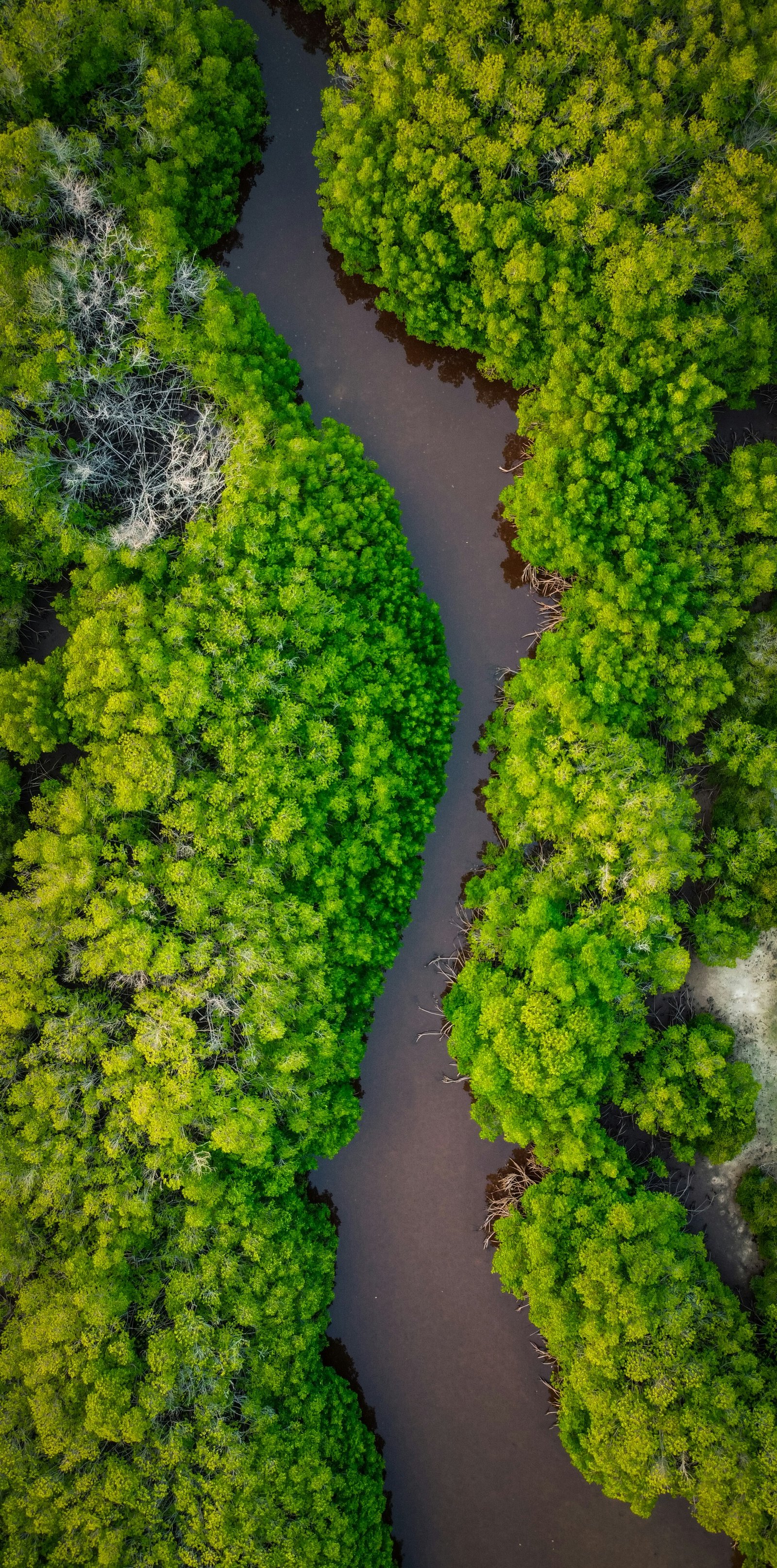
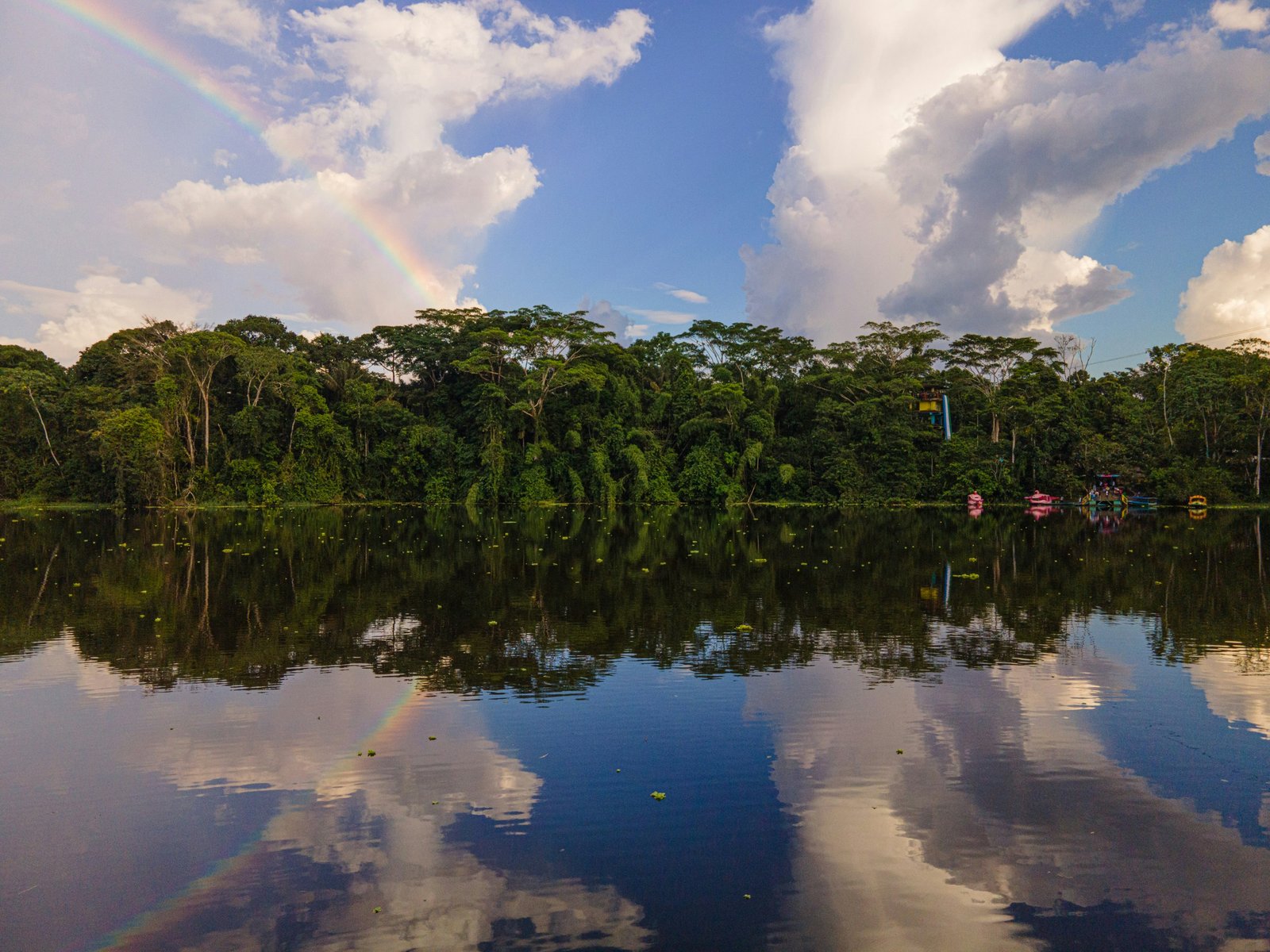
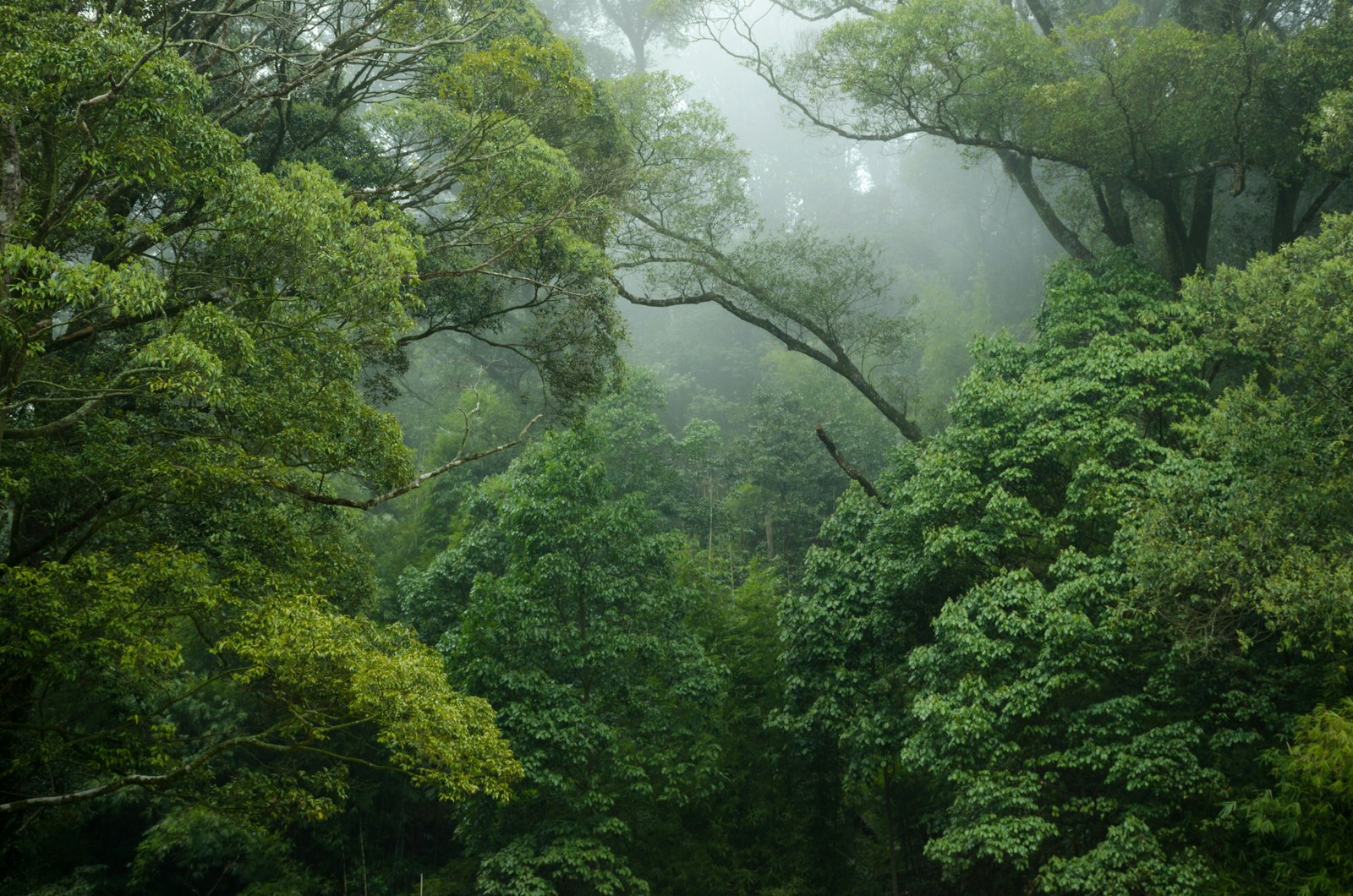
Stilted river lodges at the waterline, black-water channels through unbroken canopy, and a flooded forest that only exists in high season.
Best time, daylight and what to pack
Guided Experiences in the Amazon
The Amazon is not a destination you navigate independently. Lodges, riverboat expeditions, and guided canopy tours are the main ways to access wildlife and remote waterways from Iquitos or Puerto Maldonado.
Amazon jungle lodge package
All-inclusive 3 or 4-day lodge stay with guided canoe wildlife watching, nighttime caiman spotting, local community visits, and piranha fishing. Floatplane or speedboat transfer from Iquitos included.
Browse lodge packages →Guided Amazon day tour
Day tour from Iquitos into the Amazon flood forest with a local naturalist guide. Canoe through flooded igapo forest, spot river dolphins, and visit a floating village on the Amazon mainstream.
Book day tour →Multi-day riverboat expedition
5–8 day expedition on a small riverboat into the deeper tributaries beyond the standard tour routes. Sleeping on board, guided shore excursions, and fishing villages with minimal tourist presence.
Book expedition →Links go to GetYourGuide for real-time availability. Check dates and guide certifications before booking.
The Amazon is not a single place. It's a system: 6.7 million square kilometers of basin, 1,100 tributaries, and a river that at peak discharge pushes more water into the ocean than the next seven rivers on Earth combined. From Manaus, the capital of the Brazilian Amazon, expeditions go in all directions into one of the last genuinely wild places left.
Getting onto the river
The first rule of the Amazon is that you need a boat. Everything happens on the water. The city of Manaus sits at the confluence of the Rio Negro and the Solimões, and from the port you can board anything from a day-tour canoe to a multi-day riverboat that takes you hundreds of kilometers upstream.
The further you go from Manaus, the more intact the jungle and the better the wildlife. For first-time visitors, 3–5 days at a jungle lodge within 2–4 hours of Manaus is the practical choice.
The dry season versus wet season
The Amazon has two very different faces depending on when you go. In the dry season (June to November), the river drops by up to 15 meters. Beaches appear on the banks. Wildlife concentrates around remaining water sources.
Piranha fishing is at its best, caiman are easier to spot, and the trails through the jungle floor are walkable. In the wet season (December to May), the forest floods and you canoe between the trees. Pink dolphins appear in the flooded igapó. The scenery is extraordinary but walking trails disappear and some wildlife is harder to see.
Neither is wrong. They're just completely different experiences. Most first-time visitors choose June–November for the wildlife density and accessibility.
What you will see
Depends heavily on where you go, how long you stay and the quality of your guide. Near Manaus in a 3-day trip you can realistically expect: black and spectacled caiman, hoatzin (the prehistoric "stink bird"), multiple species of macaw and toucan, river dolphins, giant water lilies, and a night soundscape that has no parallel in any other habitat on Earth.
Sloths, giant river otters and anacondas are possible but less reliable. Jaguars require a separate and specialized expedition: the Pantanal, not the Amazon, is the best place for jaguar sightings.
The jungle at night
The Amazon doesn't sleep. The night walk through primary forest: with a headlamp, following your guide: reveals a completely different ecosystem. Tarantulas out on the forest floor.
Walking stick insects the length of your forearm. Poison dart frogs. Geckos. Your guide points things out that you would walk past and never see. The sounds are overwhelming. The darkness is complete beyond your headlamp beam. It's one of those rare experiences that recalibrates your sense of scale.
The river at night sounds like the jungle breathing. You hear things move before you see them.
Choosing a lodge or tour
This matters more in the Amazon than almost anywhere else. A budget operator with untrained guides and a lodge 30 minutes from Manaus will show you degraded secondary forest and staged encounters. A well-run operator with knowledgeable naturalist guides in primary forest further upriver will show you the Amazon as it actually is. The difference in price is 2–3x. The difference in experience is 10x.
Look for: certified naturalist guides (ask specifically), lodges in primary jungle at least 2–3 hours from Manaus, explicit policies on community visits, and reviews that mention specific wildlife encounters rather than vague superlatives.
When to go
June through October is the sweet spot: low water, walkable forest, concentrated wildlife and no rain for days at a stretch. July and August are peak dry season: beaches appear on the banks, fishing is excellent, and caiman are easy to find at night. March–May is high water / flooded forest: different beauty, canoe excursions into the trees, pink dolphins everywhere, but less wildlife visibility on land.
How to get there
Manaus Eduardo Gomes International Airport connects directly to São Paulo (GRU, 4h), Bogotá, Lima, and Miami. Azul, LATAM, and GOL fly domestic routes. Most international travellers route through São Paulo or connect via a Colombian or Peruvian hub. Manaus is the only practical entry point for the central Amazon.
No roads lead into the Amazon from Manaus: all lodge transfers are by motorized canoe (2 to 4h upriver on the Rio Negro or Rio Solimões) or by small floatplane. Your lodge handles the transfer from the Manaus port or airport. The boat journey itself is part of the experience: the meeting of the Rio Negro and Solimões at the Encontro das Águas is visible on most transfer routes.
The Amazon is not a self-guided destination: book everything through a licensed lodge or tour operator before arriving. Rio Negro lodges have clearer water and fewer mosquitoes than the Solimões side. Yellow fever vaccination is required. Most visitors do 3 to 5 nights; fewer than 3 nights is not enough to get past the adjustment period and into the deeper excursions.
Where to sleep
Budget jungle lodge · Rio Negro
Several community-run and budget lodges operate on the Rio Negro within 2 to 3 hours of Manaus. Amazon Antonio's Lodge and similar operators offer package deals that include accommodation, meals, and guided excursions for $60 to $90 per person per day: the most accessible entry point to the Amazon.
Anavilhanas Jungle Lodge · Rio Negro
Positioned inside the Anavilhanas Archipelago (the world's largest river archipelago), with private bungalows, a naturalist guide team, and excursions into the flooded forest. The lodge runs its own research programs and the guides are notably knowledgeable.
Juma Lodge · Rio Juma
Stilted bungalows built above the floodplain with private decks over open water. Juma is one of the most atmospheric Amazon lodges: no walls between the room and the forest, full immersion in the jungle soundscape at night, and exceptional wildlife guiding built into the rate.
Common Questions
Yes, practically speaking. The Amazon is not a place you navigate independently. Waterways branch endlessly, there are no marked trails in primary jungle, and the wildlife knowledge of a trained naturalist guide is the entire difference between seeing a lot and seeing nothing. A guide also handles logistics: canoes, permits, community access, cooking in the jungle.
Independent access to remote areas requires a boat, fuel, local knowledge of waterways, and Portuguese. For most international visitors, a lodge-based guided expedition is the only realistic option.
The jungle itself is safe with a guide. Dangerous wildlife: anacondas, caimans, electric eels: exist but attacks on tourists are extremely rare. The risks that exist are practical ones: heat exhaustion, insect-borne illness (dengue, malaria in remote areas), and getting lost without a guide. With a reputable operator, none of these are serious concerns.
Manaus city, like most large Brazilian cities, has areas with higher crime. Stay in the Ponta Negra neighborhood or near the historic center, use recommended transport, and treat it like any major Latin American city.
On a typical 3–5 day trip with a good operator, expect: multiple caiman species (reliably), pink and grey river dolphins (reliably), hoatzin, macaws, toucans, several species of heron, caimans, piranhas and freshwater stingrays (fishing).
Likely: three-toed sloth, capybara, giant water lilies, large tarantulas at night. Possible but not guaranteed: giant river otter, anaconda, squirrel monkeys, black spider monkeys, harpy eagle.
Jaguars are not an Amazon expectation. The Pantanal in Mato Grosso is the correct destination for jaguar sightings. The Amazon is for density of species, not single charismatic predator sightings.
Budget for three levels:
- Budget (3 days, near Manaus): ~$200–350 USD per person all-inclusive at a basic lodge
- Mid-range (4–5 days, primary jungle): ~$500–800 USD per person all-inclusive
- Premium (5–7 days, remote lodge): $1,000–2,000+ USD per person
Add international flights to Manaus (often routed via São Paulo) and any pre/post city nights. A complete 5-day Amazon trip from Europe or North America typically runs $2,000–4,000 per person total with flights.
Yellow fever vaccination is required for entry to the Brazilian Amazon and is required by many countries when you leave. Get it at least 10 days before travel. It's valid for life.
Also recommended: hepatitis A, typhoid, tetanus, rabies (for extended trips). Malaria prophylaxis is recommended for all trips into the Amazon basin: start 4–6 weeks before departure if using doxycycline or chloroquine. See a travel medicine clinic well in advance.
The Solimões (which becomes the Amazon downstream) is pale brown, cold, fast-moving and sediment-rich. The Rio Negro is dark: almost black: slow, warm and acidic due to decayed organic matter. This acidity means far fewer mosquitoes on the Rio Negro. Most jungle lodges operate on Rio Negro tributaries for this reason.
The Meeting of the Waters (Encontro das Águas), 10km east of Manaus, is where these two rivers run side by side without mixing for 6 kilometers: one of the most visually dramatic natural phenomena in South America.